English
  |


F500
I.C.T
| Quantity: | |
|---|---|
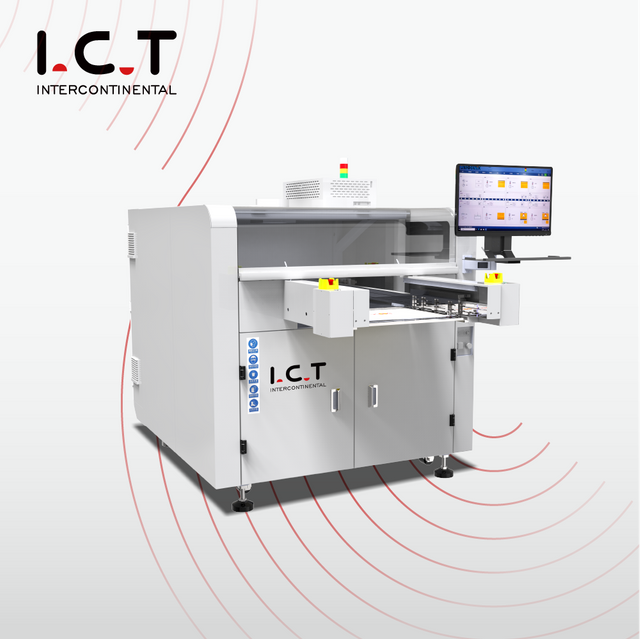
In wave soldering production, flux application is a critical step that directly affects solder quality, wetting performance, and final product reliability. Traditional spray methods often rely on unstable manual adjustment or simplified control systems, which can lead to uneven flux distribution or excessive consumption.
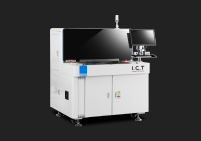
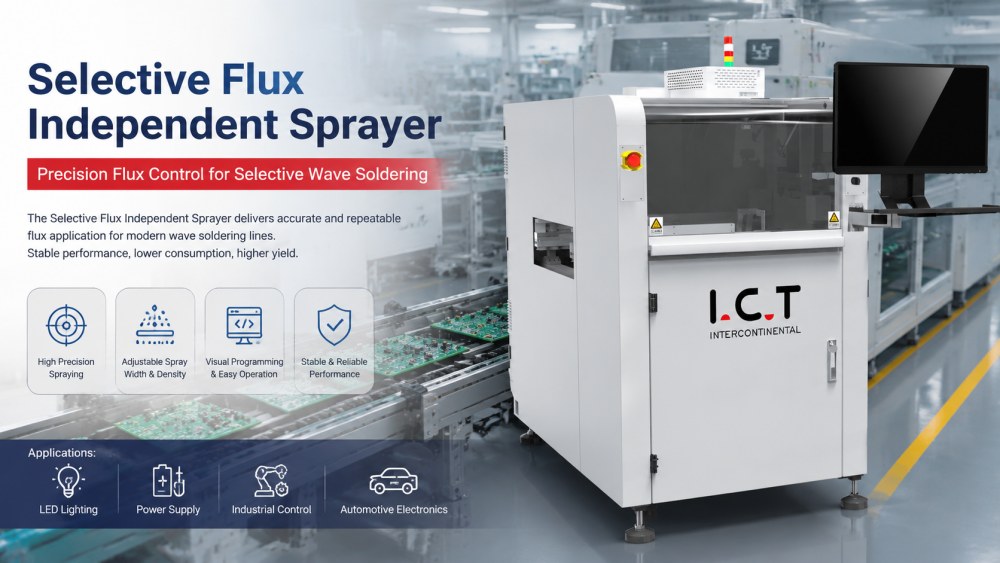
The Selective Wave Soldering Flux Independent Sprayer is designed to bring this process under precise digital control. Instead of spraying flux in a broad and uncontrolled way, the system applies flux only where it is needed on the PCB, improving efficiency and reducing material waste.
It is widely used in through-hole PCB assembly lines, especially in power supply boards, industrial control systems, automotive electronics, LED drivers, and communication devices. As a Flux Spraying Machine, it acts as the front-end preparation step for stable wave soldering quality.
| Product Features
The spray system is designed to deliver stable and repeatable flux distribution on PCB surfaces. By controlling spray time, flow, and movement path, the machine ensures that each board receives consistent flux coverage before entering the soldering process.
Unlike traditional open spraying methods, this system focuses on selective control. This helps reduce unnecessary flux usage while improving solder joint stability in later stages. For Selective Flux Independent Sprayer applications, consistency in spray behavior is a key factor for production yield.
The machine uses a coordinated X/Y motion platform to guide spray movement across the PCB surface. This allows precise control over spray paths, ensuring that flux is applied only to target areas rather than the entire board.
PCB positioning is stabilized through mechanical support and conveyor alignment, reducing deviation during spraying. This improves repeatability in high-volume production environments where multiple PCB models are processed on the same line.
The conveyor system is designed to support continuous PCB movement in wave soldering flux spraying lines. It ensures smooth transfer between upstream processes and the flux application stage without interrupting production rhythm.
Width adjustment and transport height control allow the system to connect with different PCB sizes. This makes it suitable for integration into complete Selective Solder Fluxing Systems, where consistency of board flow is essential for stable soldering results.
The flux system is designed with stable storage and automatic supply control. A 2L flux tank supports continuous operation, while low-level detection ensures that operators can replenish material before production interruption occurs.
Spray parameters such as density, angle, and flow can be digitally recorded and reused for different production programs. This improves traceability and reduces setup time when switching between PCB models in multi-product manufacturing environments.
| Model | F500 |
| PCB Positioning Method | Mechanical positioning |
| PCB Size | 120*60~500*500mm(with fixture) |
| PCB Thickness | 0.5~6mm |
| PCB Weight | Max. 15KG |
| Available Component Height | Top 120mm, Bottom 60mm |
| PCB Process Edge | ≥5mm |
| PCB Transport Height | 900±20mm |
| PCB Transport Method | Rollers |
| Conveyor Speed | 0.2~10m/min |
| Conveyor Direction | L~R (Option: R~L) |
| Conveyor Method | Single rail |
| Flux Capacity | 2L flux automatic extraction |
| Flux Type | Leave-on / Water-based |
| Number of Spray Nozzles | Single spray nozzle |
| Dimension | 916*1455*1500mm |
| Weight | 500KG |
* I.C.T keeps working on quality and performance, specifications and appearance may be updated without particular notice.
| DIP Line Equipment List

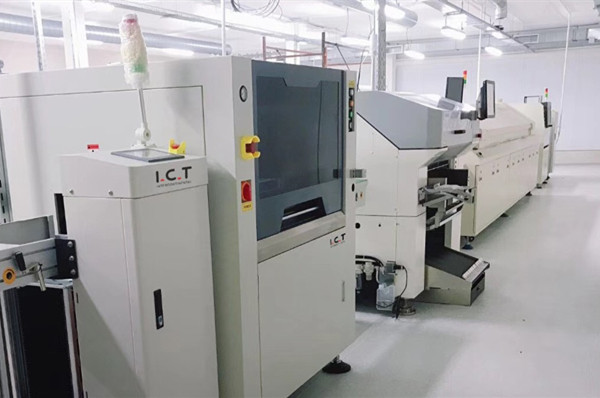
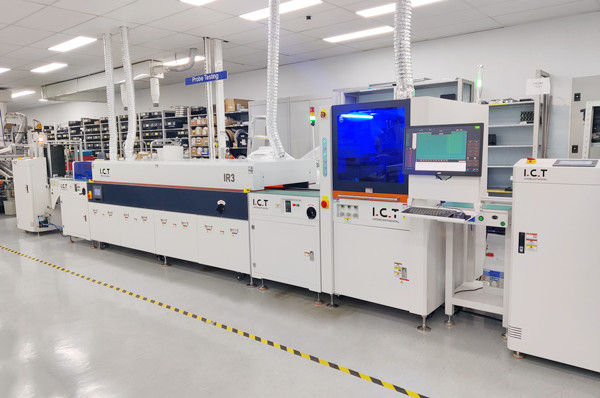
I.C.T provides complete DIP and wave soldering production line solutions, including flux spraying systems, wave soldering machines, preheating systems, PCB conveyors, AOI inspection equipment, and repair stations.
In a complete production line, flux spraying is not an isolated process. It directly affects solder quality in the wave soldering stage and must be matched with conveyor speed, PCB layout, and heating profile. I.C.T helps Customers design full-line solutions to ensure stable coordination between flux application, soldering, and inspection processes.

| Product Name | Purpose in DIP Line |
|---|---|
| PCB SMT line | Turnkey Ful-auto SMT assembly line |
| Automatic Insert Machine | Automatically places components onto PCBs with precision for DIP production line. |
Melts solder to form solid joints on PCBs during THT plug-in process. | |
Applies solder selectively to specific areas for accurate THT assembly | |
Inspects solder joints and placement defects on DIP assembled PCB. | |
Checks internal solder quality and hidden defects in THT components. | |
| Belt Assembly Line | Transports PCBs smoothly through the DIP line for efficient assembly and inspection. |
| Customer Success Video
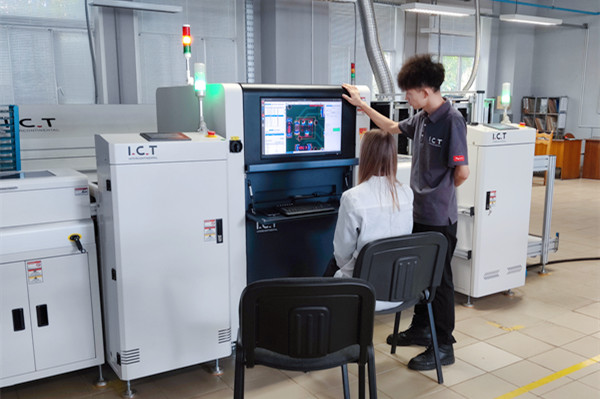
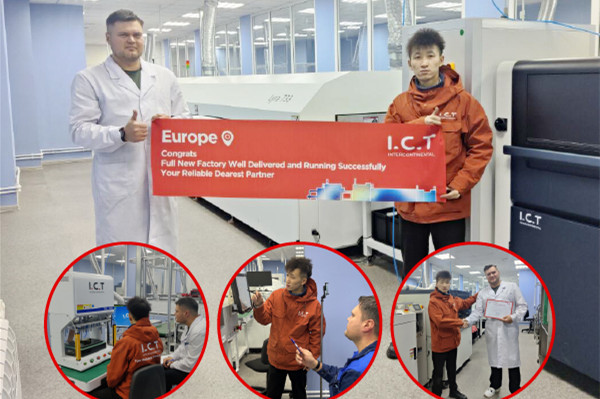
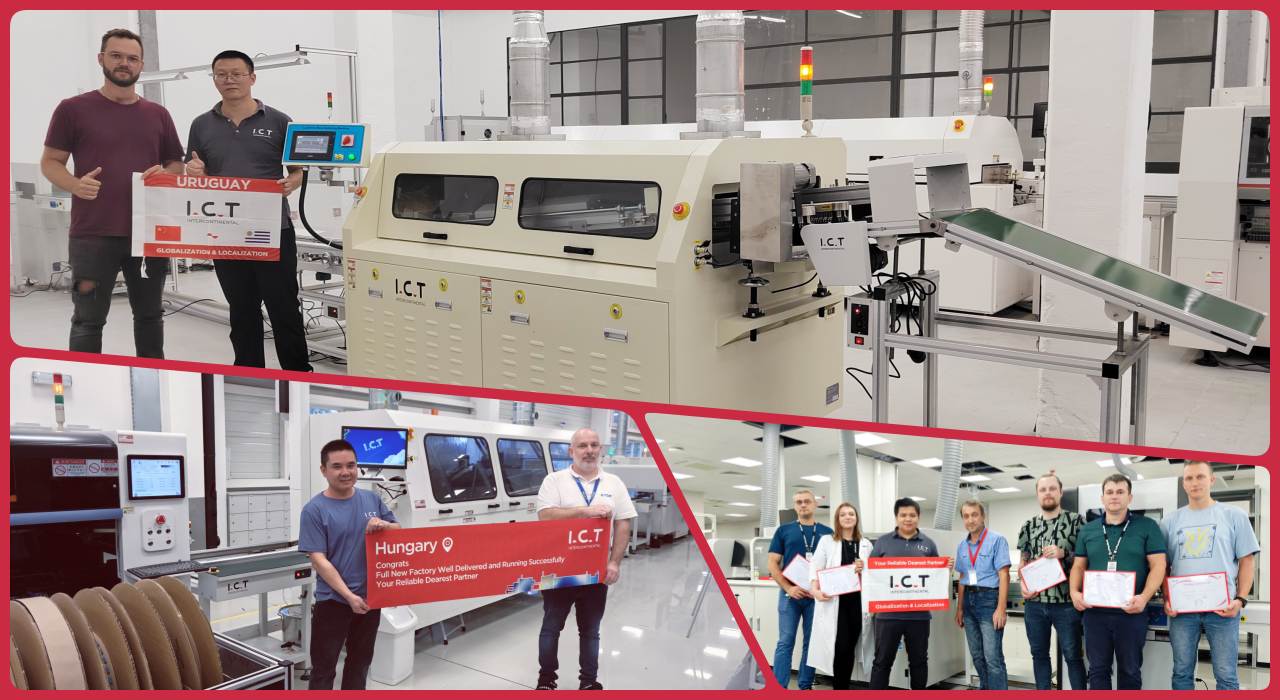
An I.C.T Hungary Customer visited our factory in early December for final acceptance of their customized wave soldering production line. The project included a full DIP process system designed for stable PCB assembly manufacturing.
The production line consists of an Odd Form Insertion Machine, Wave Soldering Machine (Acrab), and a DIP AOI inspection system. During the visit, the Customer reviewed machine operation stability, flux spraying performance, soldering process consistency, and overall line coordination. The evaluation focused on how each unit performs as part of a complete integrated production system before shipment.
| Comprehensive Service Support
I.C.T provides full technical support for SMT and DIP production lines, including layout planning, equipment installation, process optimization, and operator training. For flux spraying systems, engineers help Customers adjust spray parameters, conveyor speed, and PCB handling settings to match real production conditions.
Training includes machine operation, maintenance procedures, system calibration, and troubleshooting methods. This ensures Customers can manage not only the flux sprayer but also its integration with wave soldering and inspection systems in a complete production flow.
| What Clients Say
Customers often report improved stability in wave soldering results after introducing selective flux spraying systems. They highlight better control of flux usage, more consistent solder joint quality, and reduced rework rates.
Operators also find the system easier to manage compared with traditional spraying methods. With digital control and stable motion platforms, production teams can achieve more predictable results across different PCB models.

| Certifications and Standards
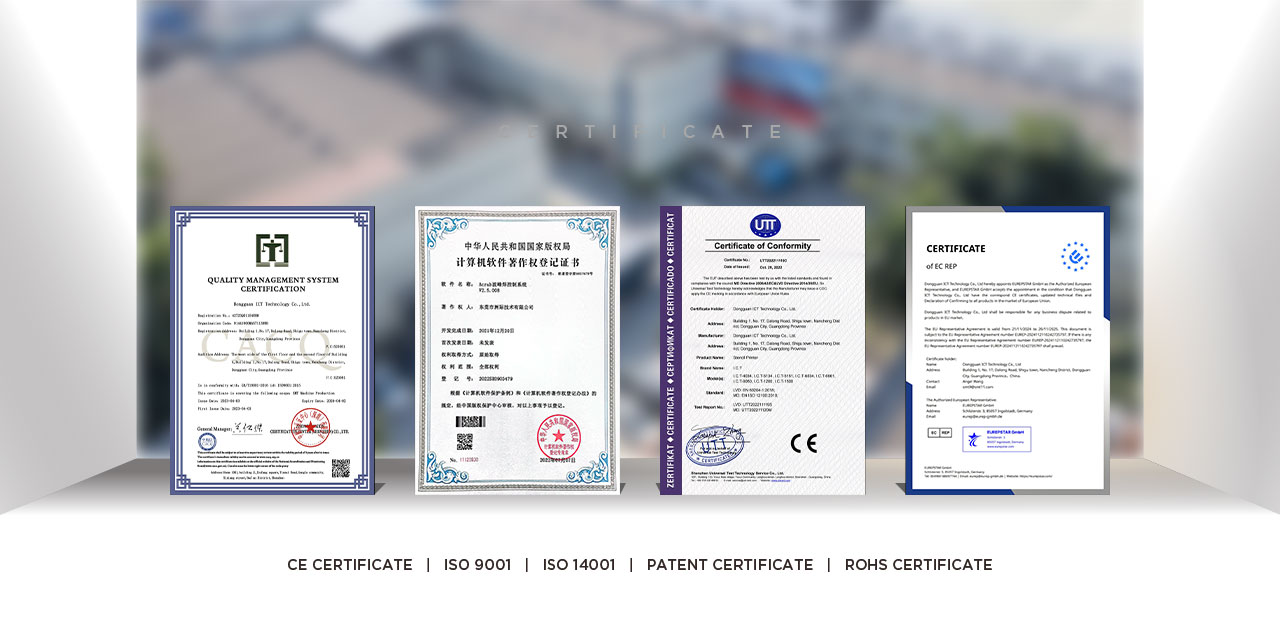
I.C.T equipment complies with CE, RoHS, ISO9001, and related international manufacturing standards. Each machine undergoes mechanical testing, electrical safety validation, and functional inspection before shipment.
Quality control also covers system-level integration with wave soldering lines to ensure stable long-term operation in real production environments. This helps Customers achieve consistent output and reliable process performance.
| About I.C.T Company and Factory
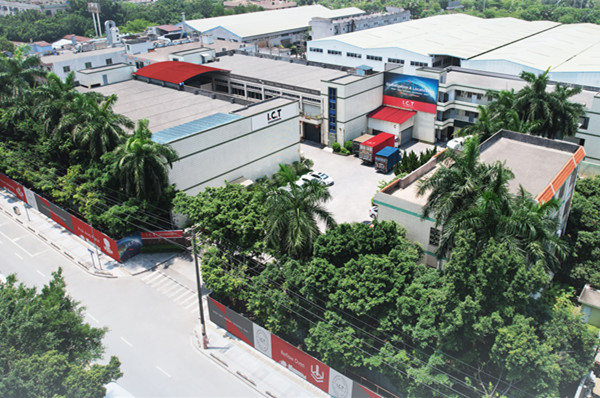
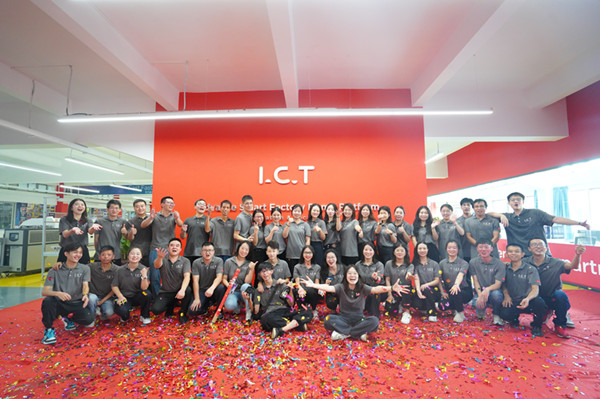
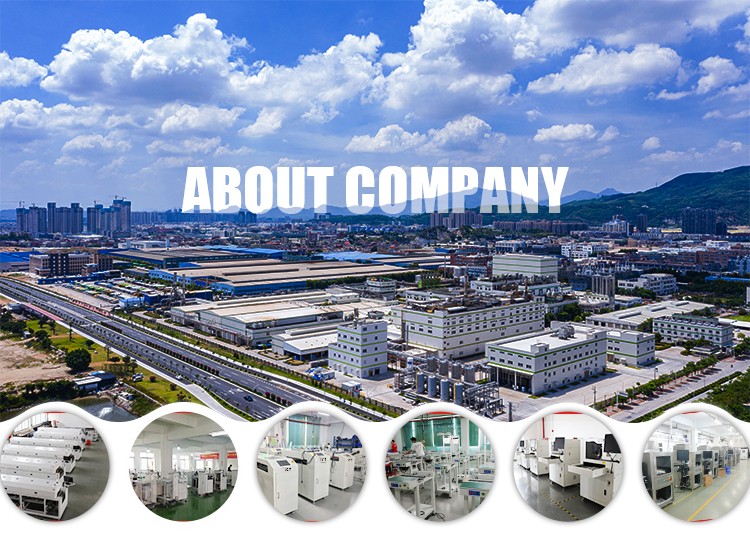
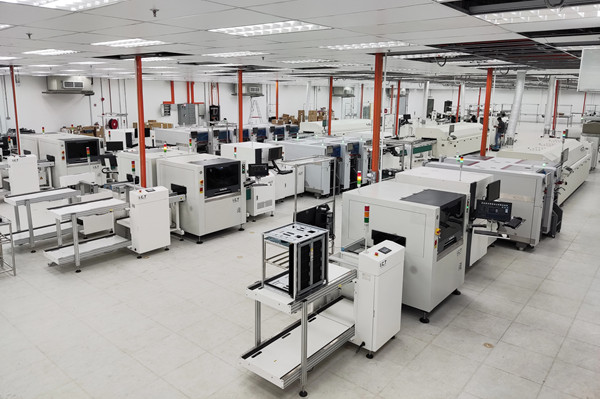
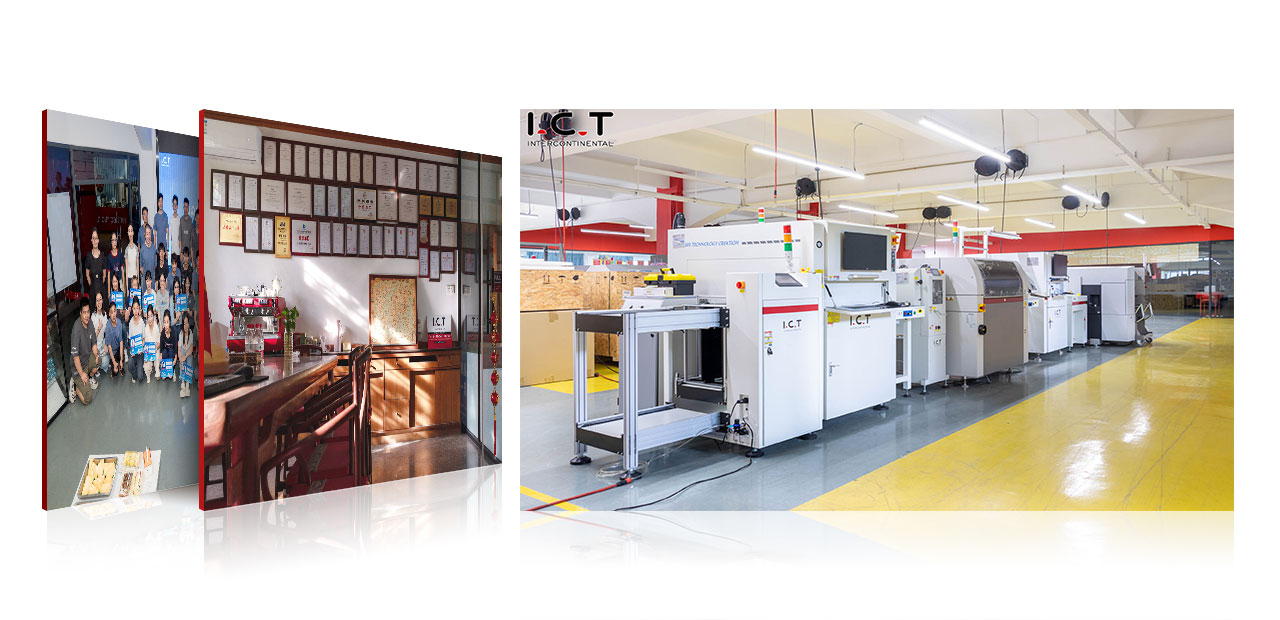
I.C.T is a global provider of SMT, DIP, and PCB assembly automation solutions, focusing on full production line design and integration.
Instead of supplying single machines only, I.C.T helps Customers build complete manufacturing systems covering flux spraying, insertion, soldering, inspection, and testing processes. This enables higher efficiency, better stability, and scalable production capacity for global electronics manufacturers.