English
  |


I.C.T-R131
I.C.T
| Quantity: | |
|---|---|

The THT Radial Insertion Machine is designed for electronics factories that need faster and more stable insertion of radial lead components. In many through-hole production lines, radial parts such as capacitors, LEDs, transistors, mini switches, springs, plugs, and taped radial components still require heavy manual work. This can slow down the line and create different quality levels between operators.
This machine helps move radial component insertion into an automatic process. It supports high-speed production, wide pitch coverage, component detection, stable feeding, accurate insertion, and lead bending before soldering. With a compact machine structure and flexible feeder options, the Radial component insertion machine can be used in DIP production lines for power boards, LED products, home appliance boards, control boards, industrial electronics, and other PCBA assemblies. It helps Customers reduce manual insertion pressure and create a more consistent through-hole process before wave soldering, DIP AOI, repair, and testing.
| Product Features

The insert system is built for stable and accurate radial component placement. Its mechanical structure is designed for long-term production use, while high-quality parts help keep the machine running reliably during daily operation. A high-precision coordinate positioning system supports accurate insertion, helping each radial component enter the correct PCB hole position with better consistency.
The machine can recognize hole positions in the insertion area and calculate a more suitable insertion position. This helps improve insertion reliability when different PCB layouts or component shapes are used. The insert system also supports quick change of different components without creating too much impact on production efficiency. For Customers using a Radial inserter in batch production, this design helps reduce manual correction work and makes the insertion process easier to control.

The bend system is used after component insertion to form the component leads under the PCB. A stable bend structure helps keep the component in position before soldering, which is important for later wave soldering quality. The bending process is designed to avoid damage to the PCB, so the board can continue to the next process with less risk.
This system is also made for easier replacement and maintenance. When a production line runs many batches, maintenance time can affect the whole line rhythm. A structure that is easier to access and adjust helps operators keep the machine in better condition. The bend system uses high-quality core components and imported moving parts to support durability. It also considers the preheating area, helping the machine match the soldering process in a practical DIP production line.

The feeding system is designed for high adaptability. It supports automatic re-run feeding and non-stop refeeding, helping the machine keep production moving even when material replenishment is needed. The machine can be configured with 20 or 40 feeder inputs, and more inputs can be optional according to production needs. This is useful for Customers with high-density and high-mix radial component production.
The feeding section also includes a high-speed cutting paper system with fast speed and low noise. Out-of-component detection allows operators to prepare materials before the line stops. This helps reduce waiting time and supports long-term continuous operation. For a universal Radial insertion machine, feeding stability is one of the key factors because component supply must match machine speed, PCB flow, and downstream soldering takt.

The THT Radial Insertion Machine supports a wide radial component range. It can handle capacitors, transistors, LEDs, mini switches, resistors, radial taped components, springs, plugs, and other radial lead parts used in through-hole PCB assembly. The machine supports component height up to 23mm, with optional support for 26mm depending on project requirements.
It also supports different pitch applications, including 2.5mm, 5.0mm, 7.5mm, and 10mm. Different feeder types can match various tape hole distances and pin spans, helping Customers handle more radial component packages in one production system. This makes the Radial auto insertion machine useful for factories that need flexible component compatibility, not only high insertion speed. For PCBA products with many radial lead parts, this component coverage helps reduce manual insertion and improve production organization.
The I.C.T R131 is ideal for manufacturers in automotive electronics, consumer electronics, power supply production, and LED lighting industries. It efficiently handles various radial taped components, including capacitors, resistors, LEDs, transistors, and mini switches.
| Model | R131M | R131H |
| Component Feeder Input | 20pcs | 40pcs |
| Insertion Speed | 25000CPH,(0.14s,0.20s,0.25s,0.30s/pointchangeable | |
| Insertion Span | 2P:2.5mm/5.0mm; 3.5P:2.5mm/5.0mm/3.5mm; 3P:2.5mm/5.0mm/7.5mm; 4P/T4P:2.5mm/5.0mm/7.5mm/10.0mm,ConfirmspanbyComponents | |
| Insertion Recovery | Auto recovery | |
| Insertion Direction | 0~360° direction by 1° increment | |
| Component Heigh | 23mm, (Optional: 26mm) | |
| Component Type: | Capacitor, Transistor, ED, Miniswitch, Resistor, Radial taped component, Spring, plug etc., | |
| Insertion Precision | 0.05mm | |
| PCB Size | 50*50~508*381mm | |
| Insertion Area | 50*40~500*375mm | |
| PCB Fixed | Pin+Clamp | |
| Transport Height | 900±20mm | |
| Transport Time | 3-4s | |
| Operate | Microcomputer, LCD Touch Screen | |
| Power Supply | 3P5W, 380VAC±10%, 50/60HZ | |
| Power | 3.5KVA | |
| Dimension | L1760*W2140*H1600mm | |
| Weight | 2200kg | |
* I.C.T keeps working on quality and performance, specifications and appearance may be updated without particular notice.

Industry-Leading Technology: State-of-the-art THT insertion machine with AI-driven positioning accuracy.
Cost-Effective Production: Reduces labor costs while improving PCB assembly quality.
Global After-Sales Support: Backed by I.C.T worldwide service network, ensuring hassle-free operation.
| DIP Line Equipment List

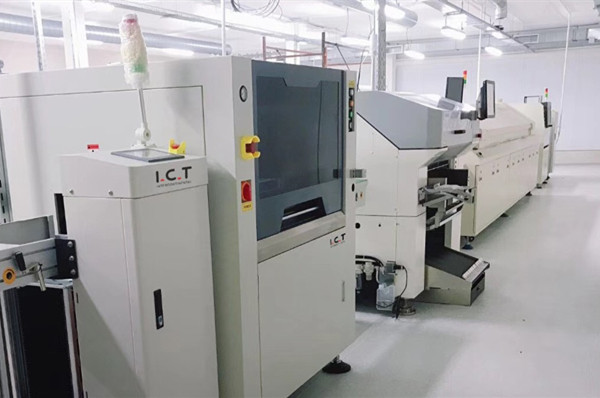
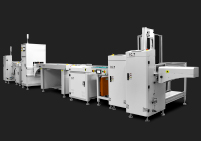
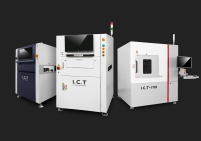
I.C.T can provide complete DIP and THT production line equipment based on the Customer’s PCB design, component package, factory layout, target capacity, and process requirements. Related equipment can include radial insertion machines, axial insertion machines, odd-form insertion machines, manual insertion conveyors, wave soldering machines, selective soldering machines, DIP AOI, PCB loaders, unloaders, repair stations, buffer conveyors, and testing equipment.
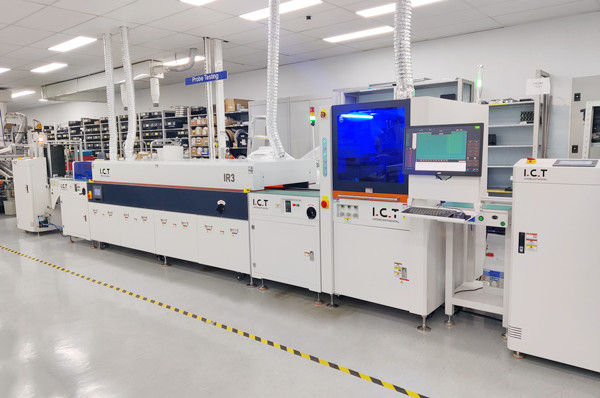
In a complete through-hole production line, insertion, soldering, inspection, repair, and handling equipment must work together. The line height, PCB direction, component sequence, soldering method, operator position, and maintenance space all affect production efficiency. I.C.T helps Customers plan the whole process before delivery, so the automatic insertion Machine can connect smoothly with the rest of the production line.

| Product Name | Purpose in DIP Line |
|---|---|
| PCB SMT line | Turnkey Ful-auto SMT assembly line |
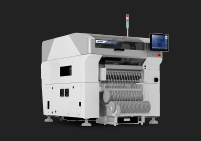
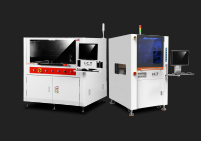
| Automatic Insert Machine | Automatically places components onto PCBs with precision for DIP production line. |
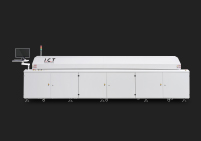
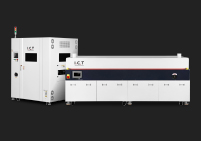
Melts solder to form solid joints on PCBs during THT plug-in process. | |
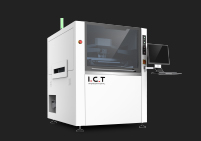
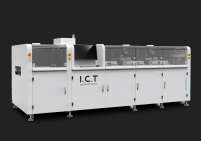
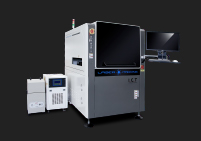
Applies solder selectively to specific areas for accurate THT assembly | |
Inspects solder joints and placement defects on DIP assembled PCB. | |
Checks internal solder quality and hidden defects in THT components. | |
| Belt Assembly Line | Transports PCBs smoothly through the DIP line for efficient assembly and inspection. |
| Customer Success Video
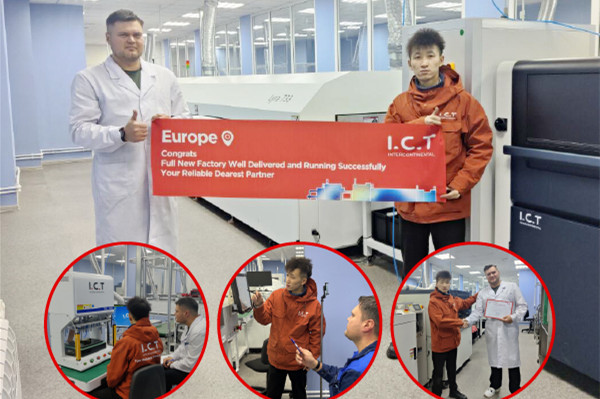
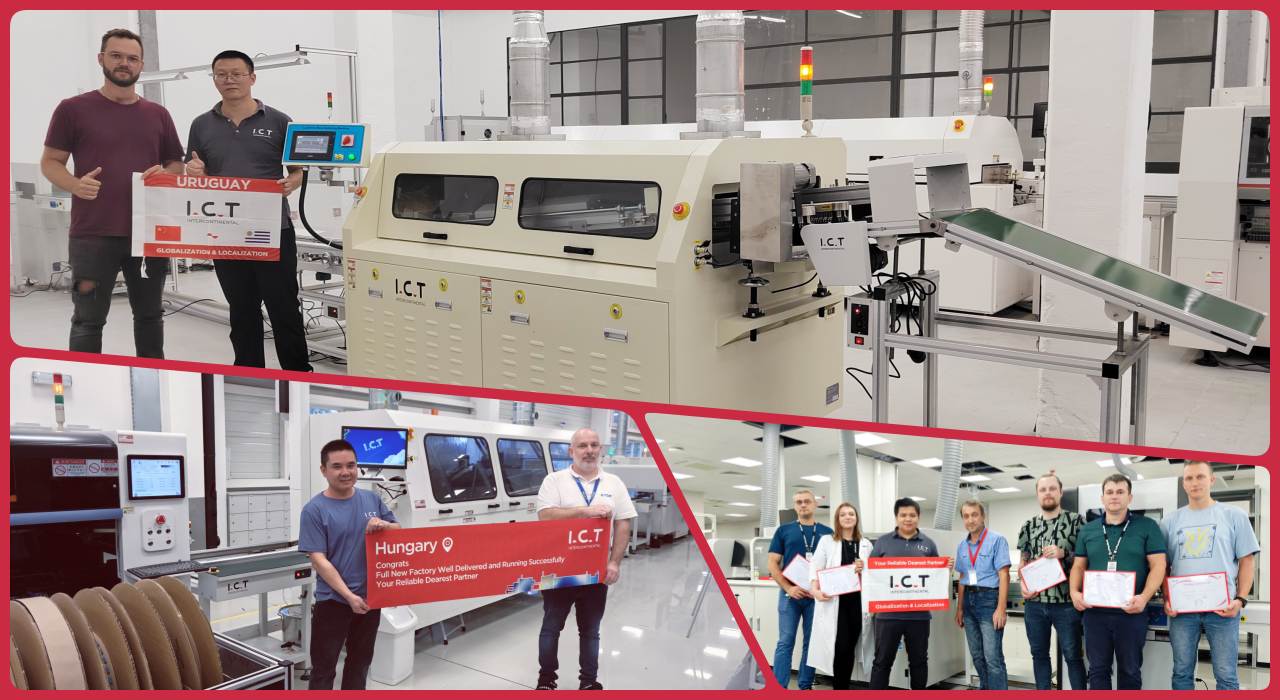
An I.C.T Customer from Hungary visited our factory in early December to check their customized automatic THT insertion line. The project was designed for through-hole PCB production and included insertion equipment, wave soldering equipment, and DIP AOI inspection. During the project process, I.C.T engineers reviewed machine connection, component insertion performance, soldering process, inspection function, and full line operation with the Customer.
The Customer also discussed production details with our engineering team, including component preparation, PCB transfer, soldering connection, inspection position, and future factory use. This project shows how I.C.T supports Customers who want to reduce manual THT work and build a more stable DIP automation line from equipment selection to production preparation.
| Comprehensive Service Support
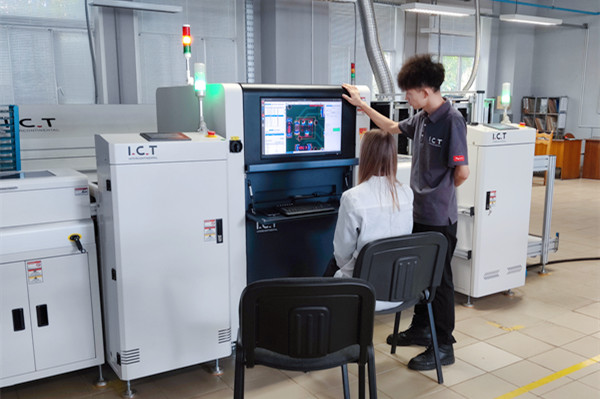
For SMT, DIP, and THT projects, I.C.T service focuses on the full production line, not only one machine. Before installation, our team can help review the factory layout, machine sequence, board direction, air and power supply, soldering process, inspection position, operator stations, and maintenance space. During installation and training, I.C.T engineers guide the Customer’s team through line connection, program setup, material preparation, trial running, safety operation, daily maintenance, and basic troubleshooting. This is especially useful for Customers changing from manual insertion to automated DIP production, because the team needs to understand how each process connects with the next one.
| What Clients Say
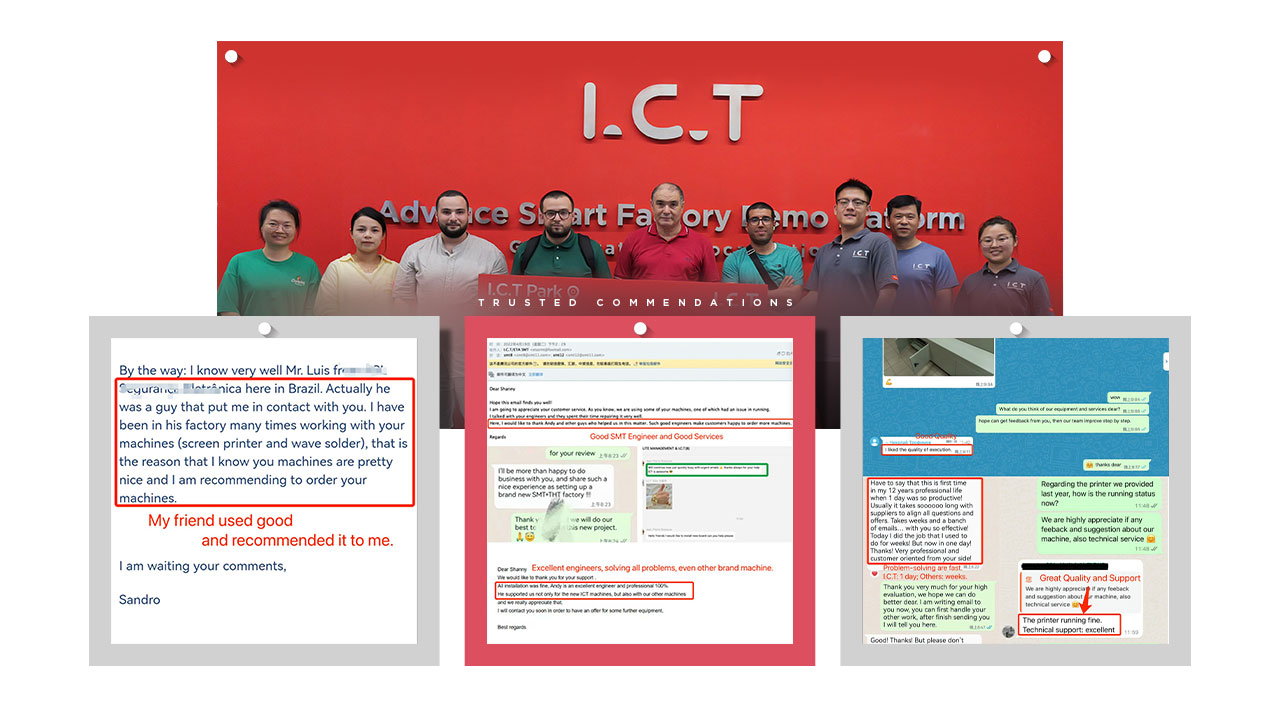
Customers often value I.C.T because our team considers the complete line result. In DIP and THT projects, Customers usually care about whether insertion, soldering, inspection, repair, and board transfer can run smoothly together. They mention that I.C.T gives practical layout advice, clear training, careful packing, and fast technical response when questions appear. For Customers building a new through-hole line, small details such as conveyor height, board direction, component feeding, operator movement, and maintenance access can affect real production. I.C.T follows these details with both sales and engineering teams, helping Customers build a more reliable manufacturing flow.
| Certifications and Standards
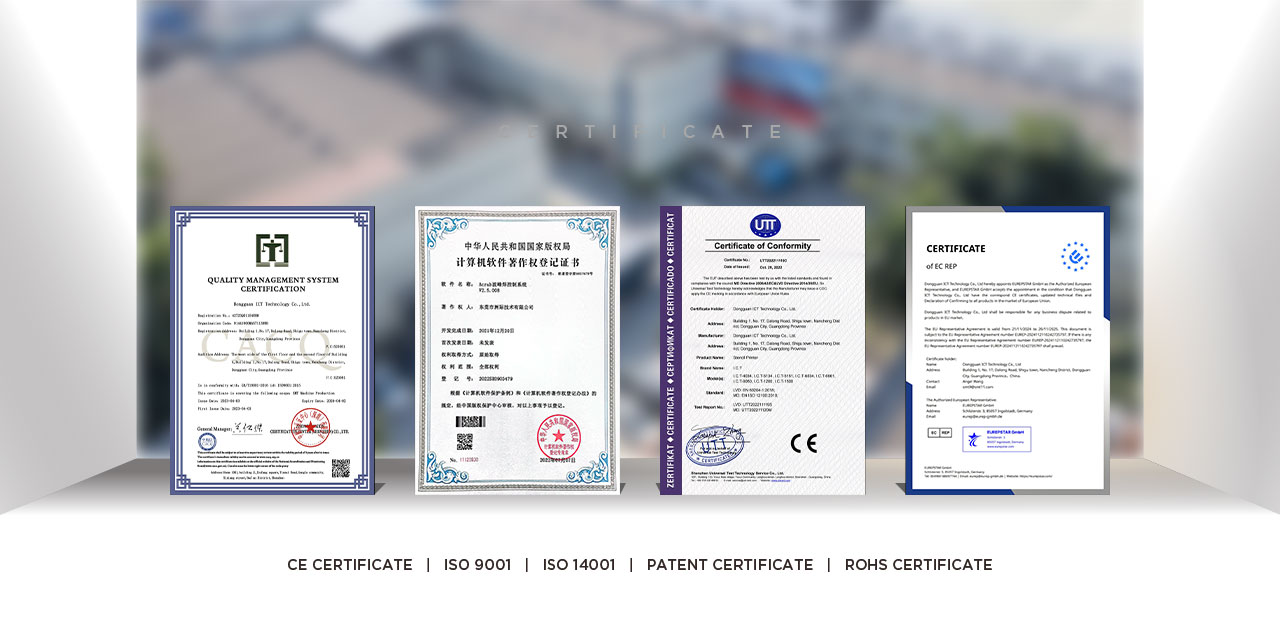
I.C.T supports complete SMT, DIP, and THT production line projects with quality documents such as CE, RoHS, ISO9001, patents, and related inspection records according to project needs. For a complete through-hole assembly line, quality control is not only about insertion accuracy. It also includes electrical safety, air supply checking, conveyor matching, soldering process connection, inspection flow, software operation, packaging protection, and shipment preparation. Before delivery, equipment goes through mechanical inspection, electrical testing, function testing, software checking, and packing review. This helps Customers reduce installation risk and build a more stable production system.
| About I.C.T Company and Factory
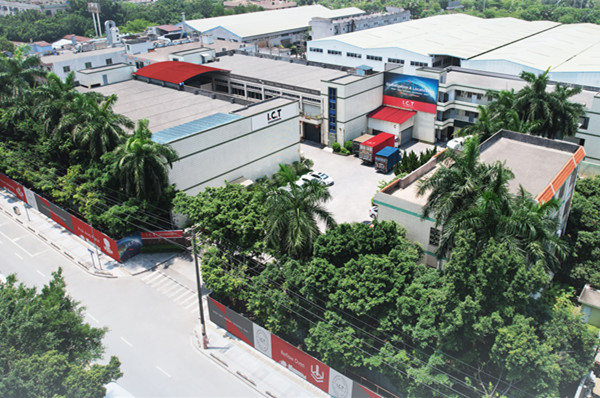
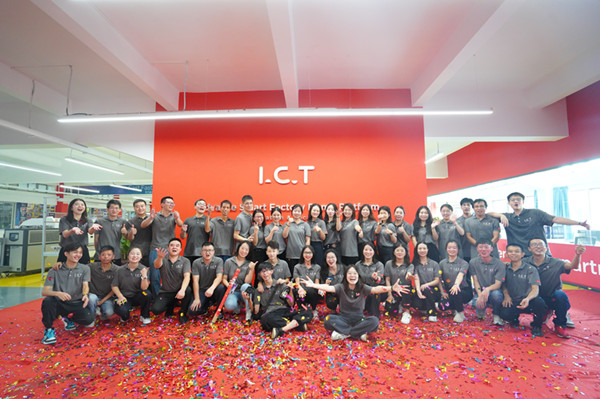
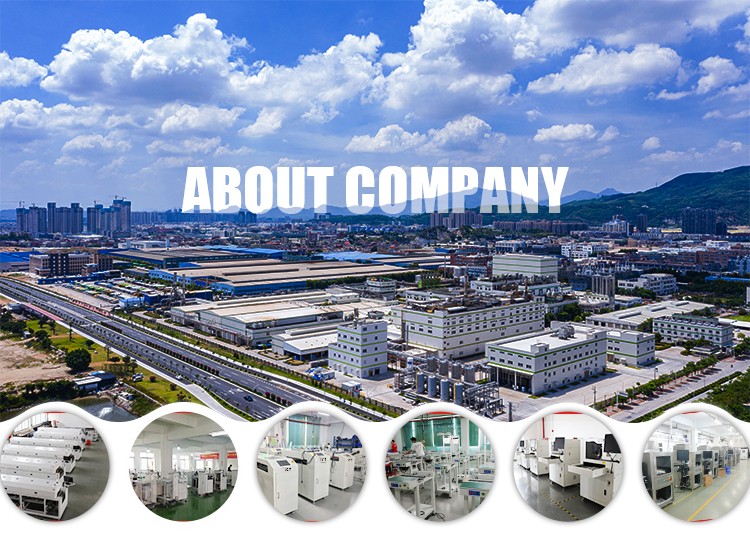
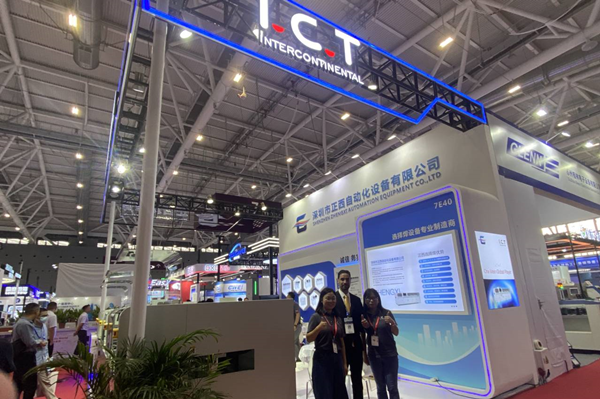
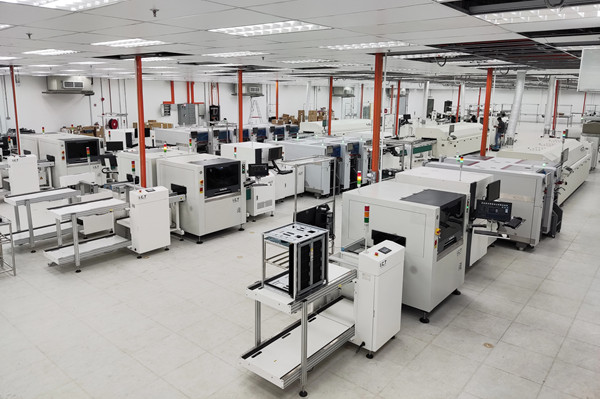
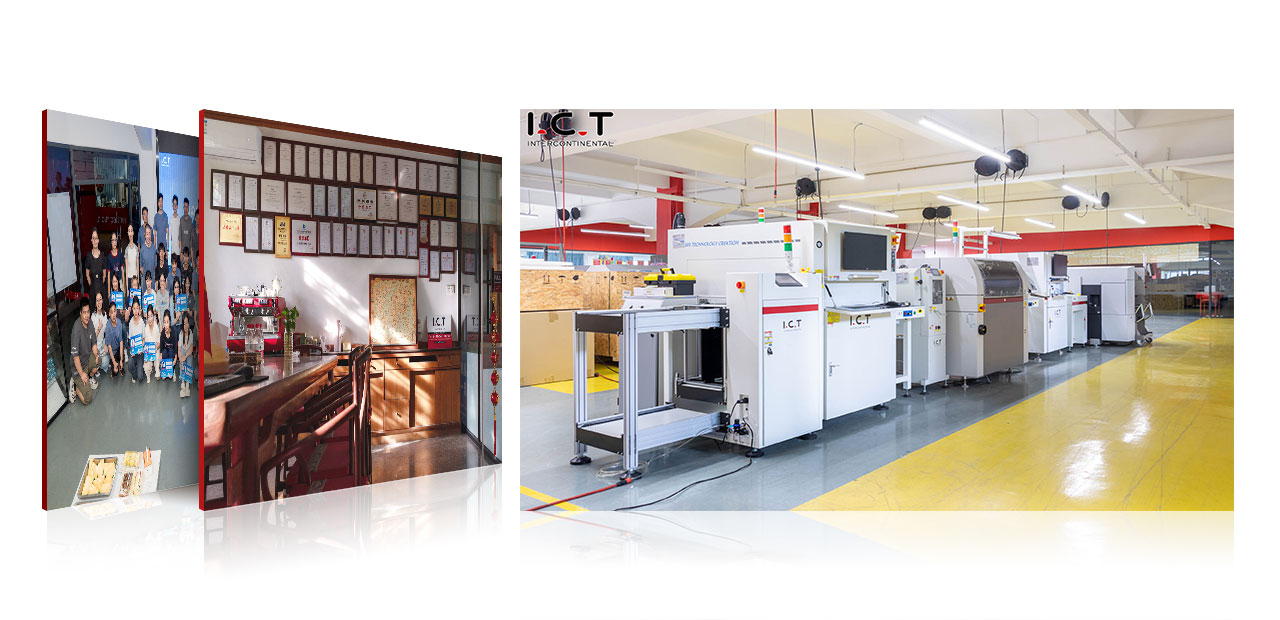
I.C.T provides SMT, DIP, coating, automation, inspection, and complete factory line solutions for electronics manufacturers. The company has its own R&D, production, engineering, sales, and service teams. I.C.T focuses on how each machine works inside the Customer’s real production flow, including PCB layout, capacity target, component type, soldering method, inspection needs, maintenance access, and future expansion. Instead of only supplying separate equipment, I.C.T helps Customers plan practical electronics manufacturing systems from early project communication to stable production.