English
  |


I.C.T-AISM08
I.C.T
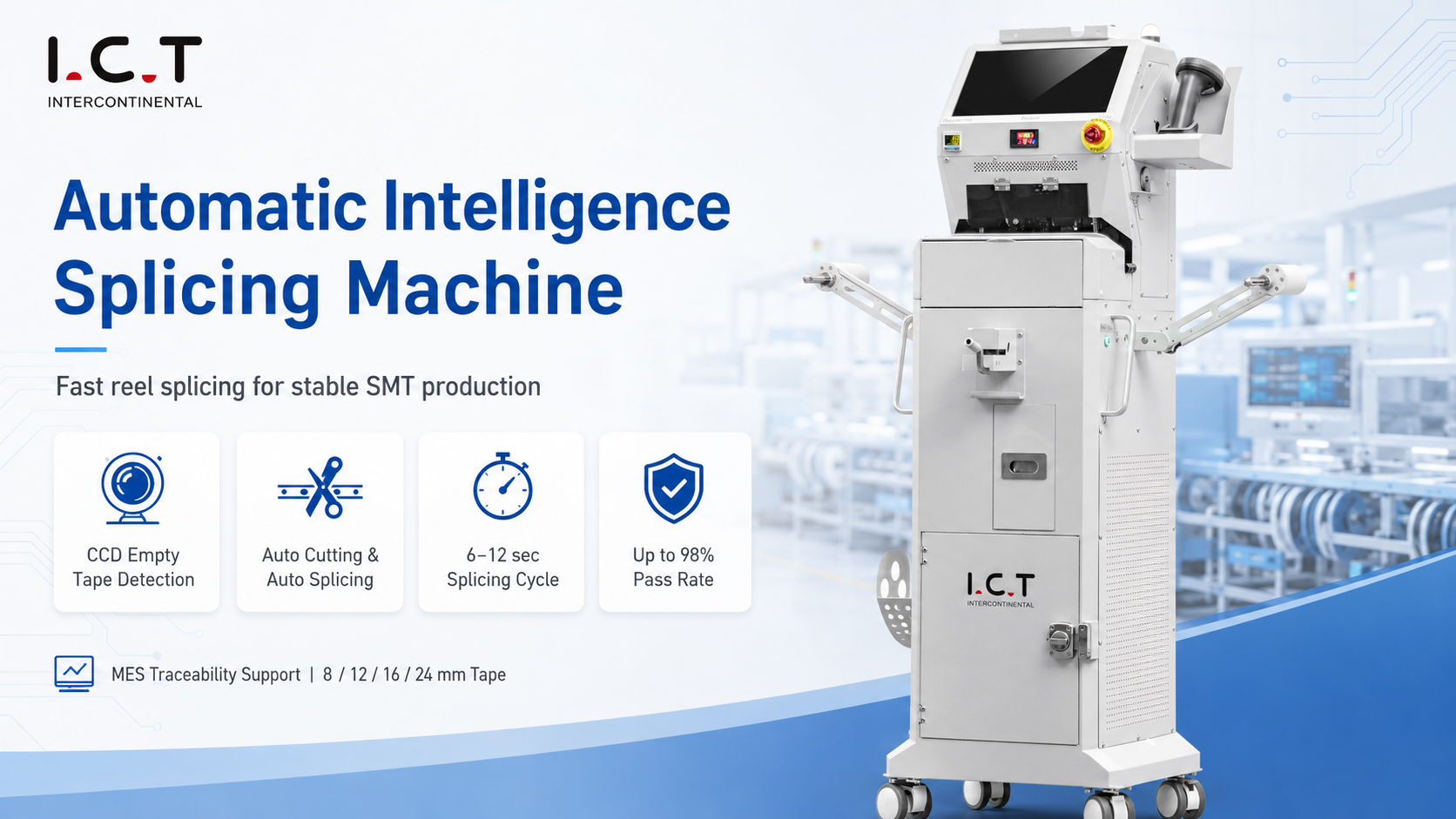
SMT Intelligence Auto Splicing Unit
| Quantity: | |
|---|---|
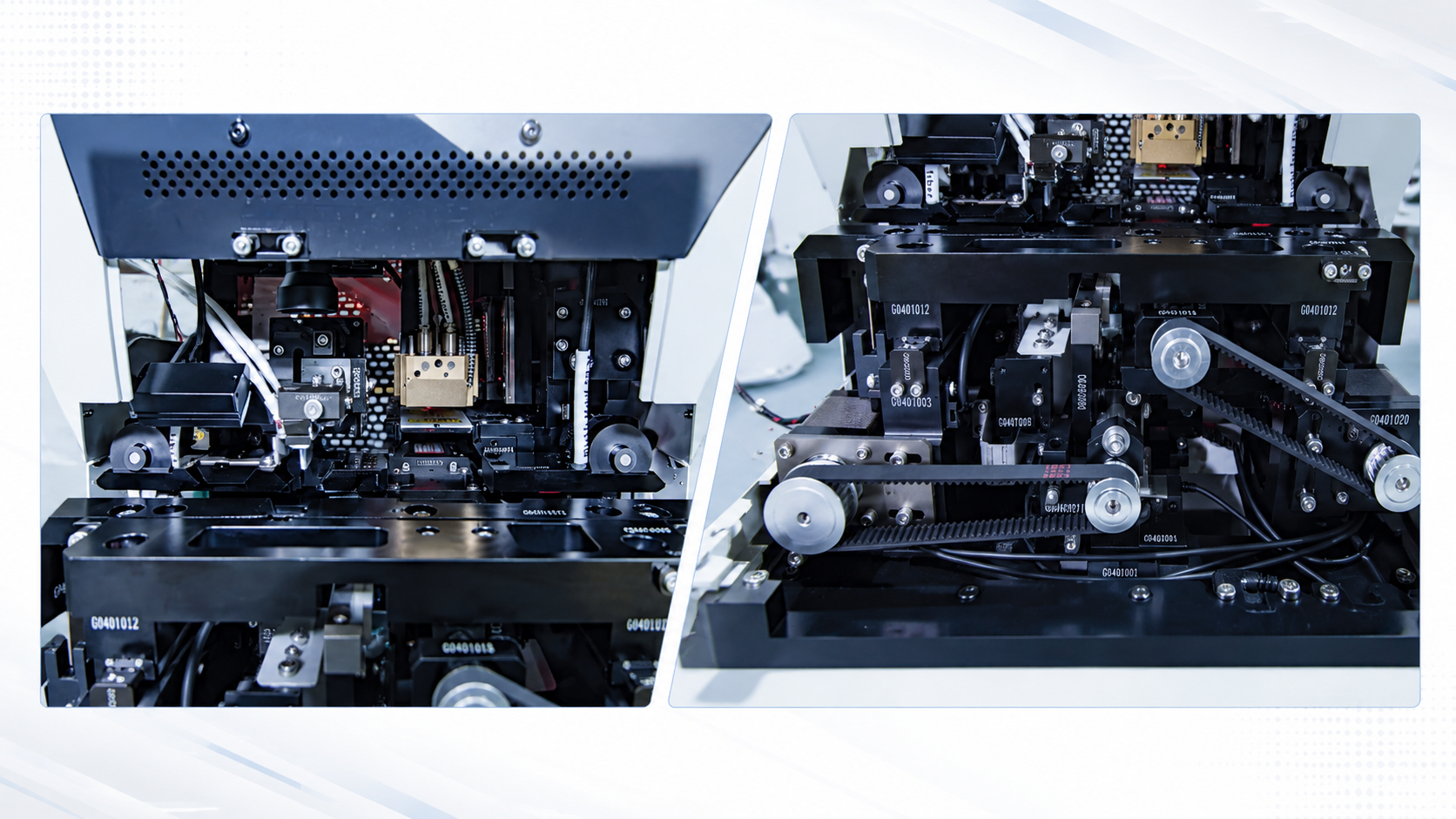
The vision section uses CCD inspection and controlled lighting to examine the carrier tape before cutting begins. Upper and lower light sources give the cameras a clear view of component pockets, spacing, and empty positions. The system can identify components above 01005 and create visual templates based on component markings, adding another check against material mismatch. Once inspection is complete, independent motors move the tape through precision guide rails. Fine-tooth driving wheels provide steady traction, while side covers hold the tape in place during movement. The track position changes automatically for the selected tape type, helping the Intelligence Auto Splicing Unit maintain stable alignment before the two reels are joined.
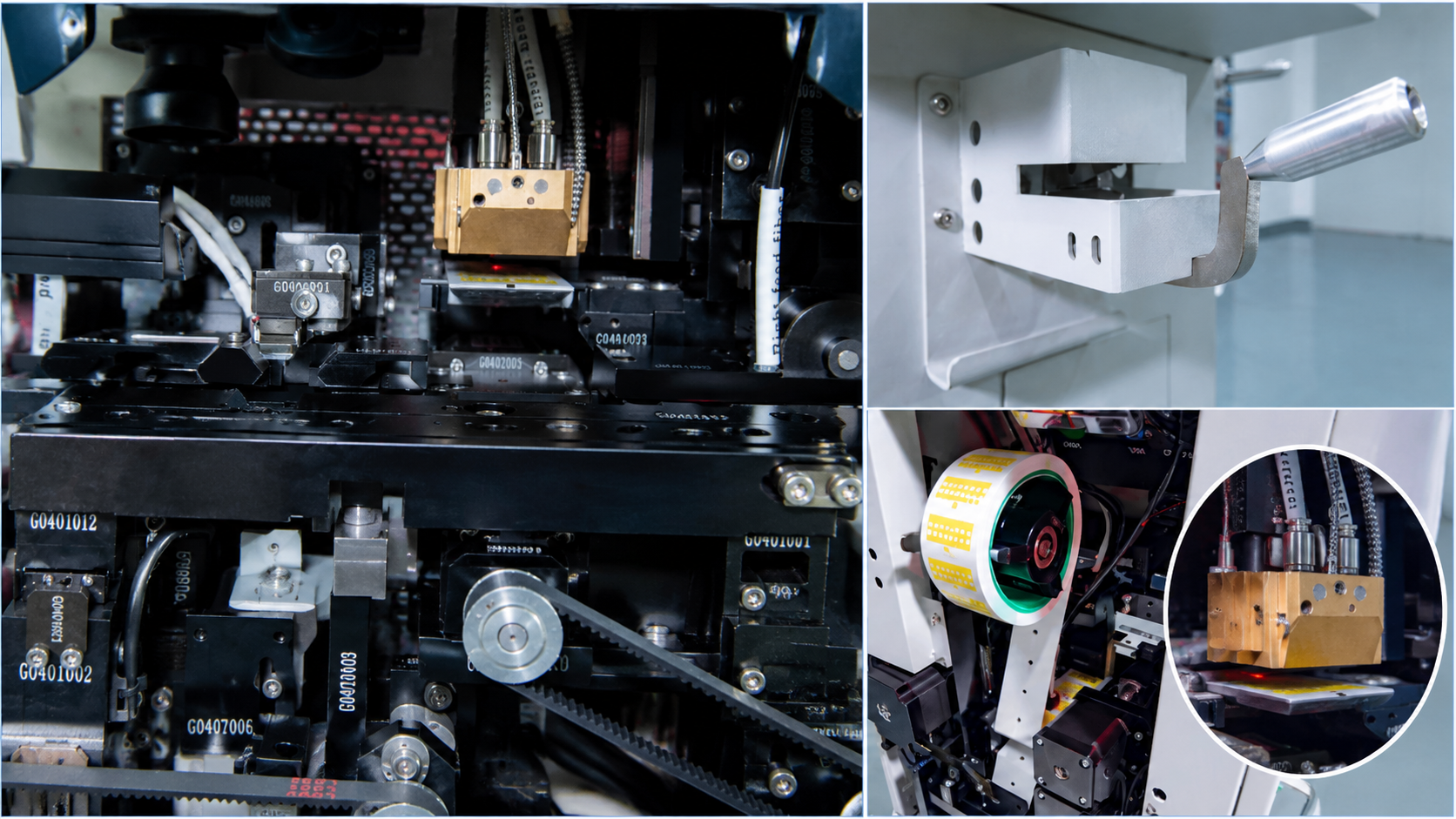
A high-hardness internal cutter produces a clean tape edge after the CCD system confirms the correct position. When a reel contains a long empty section, the operator can shorten it first with the external manual cutter. During the joining stage, a small vacuum pump holds the adhesive tape firmly on the working surface. The adsorption head includes a heating function, while an independent controller keeps the temperature consistent. Stepper motors and a special gear mechanism guide the tape ends into position with controlled movement. Multiple motors coordinate material feeding and waste removal to reduce jams. This structure allows the SMT Intelligence Auto Splicing Unit to reach a passing rate of up to 98% under suitable production conditions.
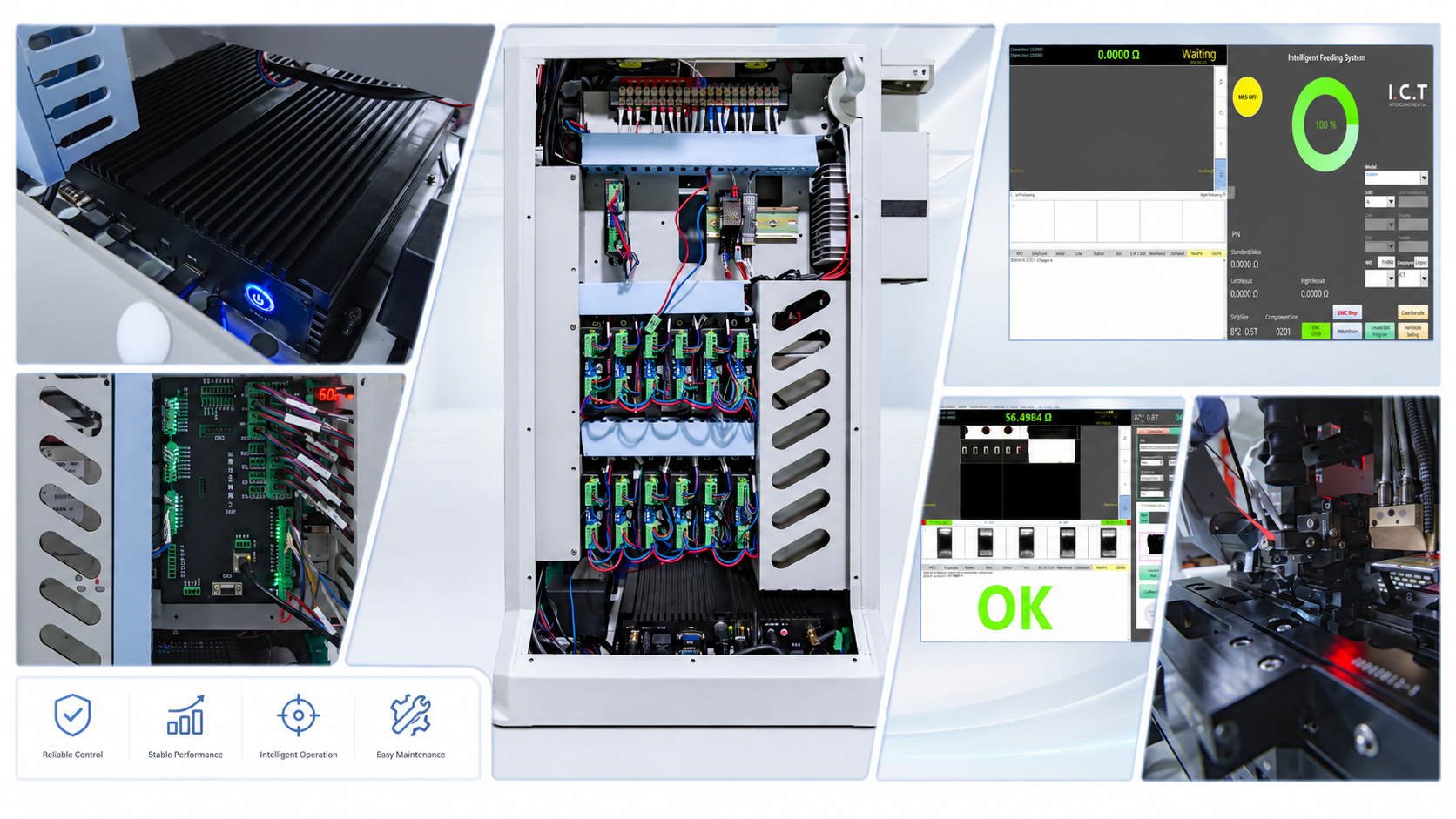
The Intelligence Auto Splicing Unit is managed by an industrial computer, an IO control card, and separate drivers for the main working sections. Independent control makes each movement easier to manage and supports stable operation during repeated splicing tasks. Its internal layout is compact, while the extended antenna helps maintain signal reception across the workshop. Two rechargeable 24 V lithium batteries provide about 12–14 hours of operating time, allowing the machine to move between production areas. The guided software is available in Chinese and English and can normally be learned within several minutes. Barcode scanning is standard, while BOM import, MES communication, and RC measurement for selected 8 mm tapes are available according to configuration.
| Specifications
| No. | I.C.T-ASM08 | I.C.T-AISM08 | I.C.T-ASM24 | |
|---|---|---|---|---|
| 1 | Model | I.C.T-ASM08 | I.C.T-AISM08 | I.C.T-ASM24 |
| 2 | RC Measuring Instrument | N/A | Standard | N/A |
| 3 | Example | 8 mm tape | 8 mm tape | 8 / 12 / 16 / 24 mm tape |
| 4 | Applicable Mounter | Full SMT Brands | Full SMT Brands | Full SMT Brands |
| 5 | SMT Tape (mm) | 8 mm Paper / 8 mm Embossed | 8 mm Paper / 8 mm Embossed | 8 / 12 / 16 / 24 mm Paper and Embossed |
| 6 | Splicing Mode | Auto Cutting / Auto Splicing | Auto Cutting / Auto Splicing | Auto Cutting / Auto Splicing |
| 7 | Splicing Tape Size | 32 mm | 32 mm | 32 mm × 2 |
| 8 | Splicing Tape Package | Reel | Reel | Reel |
| 9 | Splicing Tape Number | 1 | 1 | 2 |
| 10 | Splicing Accuracy | ±0.2 mm | ±0.2 mm | ±0.05 mm |
| 11 | Empty Tape Detection | CCD | CCD | CCD |
| 12 | CCD Number | 1 | 2 | 1 |
| 13 | Splicing Cycle Time | 6–12 seconds* | 6–12 seconds* | 6–12 seconds* |
| 14 | Passing Rate on Mounter | 95% | 98% | 98% |
| 15 | MES | Supported | Supported | Supported |
| 16 | Control Method | PC | PC | PC |
| 17 | Power Supply | Two 24 V Lithium Batteries | Two 24 V Lithium Batteries | Two 24 V Lithium Batteries |
| 18 | Battery Supply Time | 12–14 Hours | 12–14 Hours | 12–14 Hours |
| 19 | Dimensions (mm) | 550 × 470 × 1300 | 400 × 470 × 1400 | 360 × 310 × 1320 |
| 20 | Weight | Approx. 65 kg | Approx. 65 kg | Approx. 70 kg |
| SMT Line Equipment List

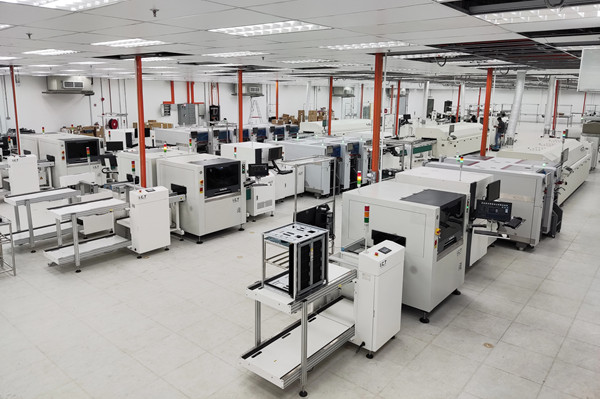
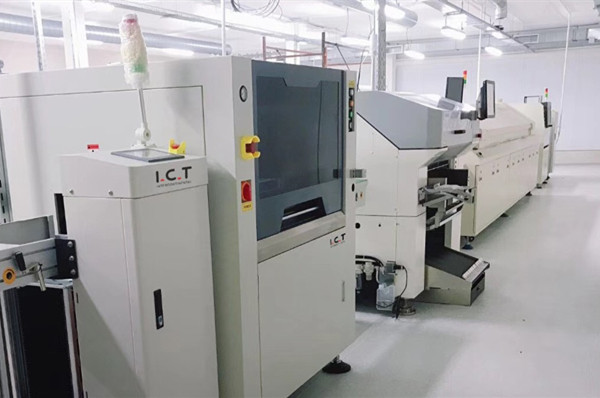
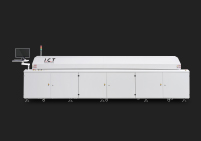
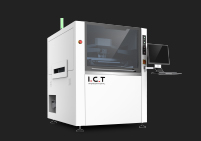
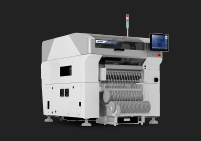
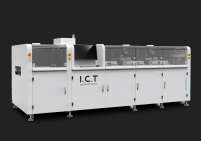
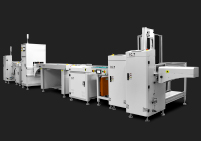
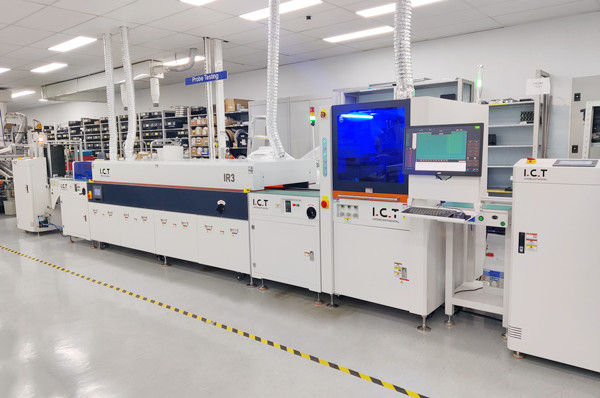
A complete surface-mount factory requires more than placing machines in sequence. PCB loading, solder paste printing, SPI inspection, component placement, reflow soldering, AOI inspection, board handling, depaneling, and cleaning must work at compatible speeds. I.C.T plans the complete line according to the PCB size, component range, target output, product changeover frequency, workshop layout, and inspection standard. Conveyor lengths, buffer positions, operator access, utility connections, and material routes are considered before the final layout is confirmed. This coordinated approach helps reduce waiting between processes, avoid capacity mismatch, and leave practical room for maintenance and future expansion. The result is a production system designed around the customer’s actual products rather than a fixed equipment list.
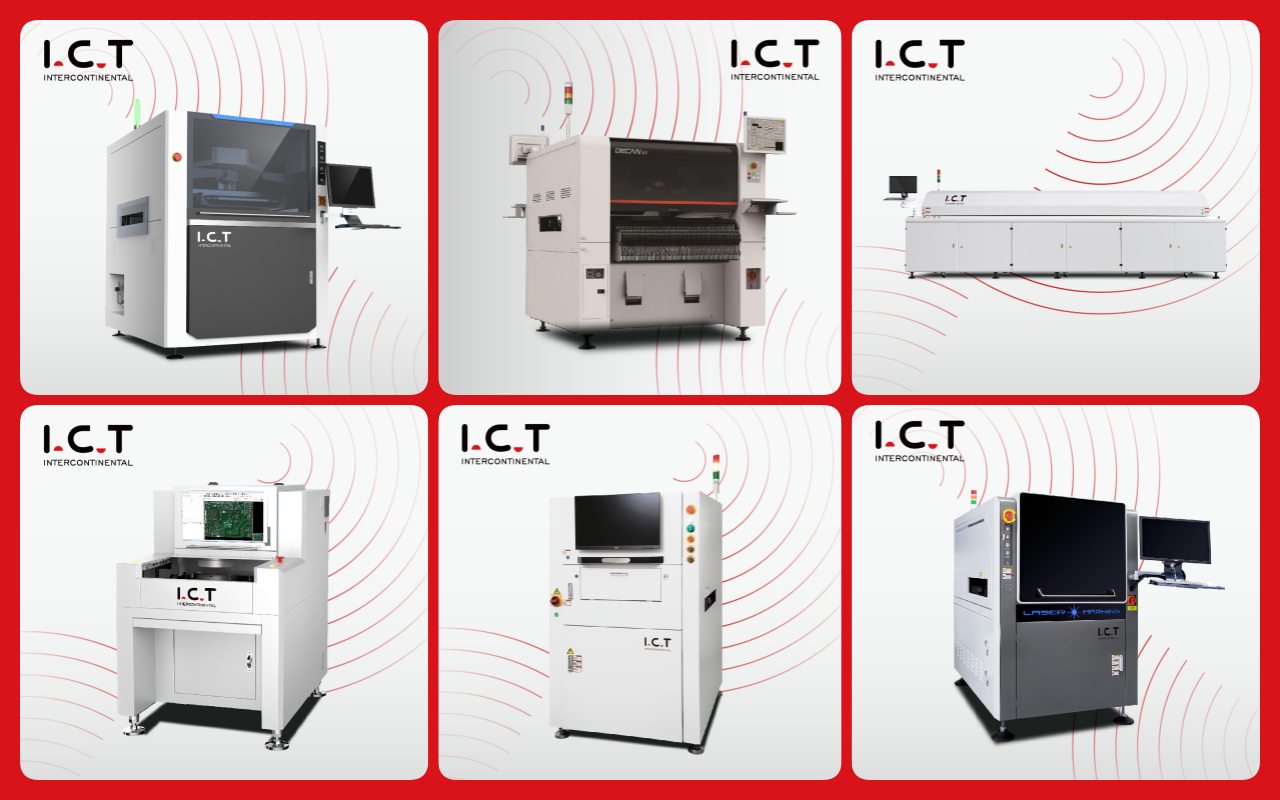
| Product Name | Purpose in SMT Line |
|---|---|
| PCB Loader | Automatically loads bare PCBs to the line. |
| Solder Paste Printer | Prints solder paste on PCB pads accurately. |
| Pick and Place Machine | Mounts components onto PCBs precisely. |
| Reflow Oven | Melts solder to form solid joints. |
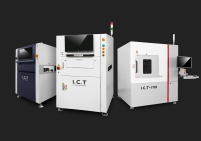
| AOI Machine | Inspects solder joints and placement defects. |
| SPI Machine | Checks solder paste height and quality. |
| Traceability Equipment | Records and tracks production data: Laser Marking Machine/Label Mounter/Inkjet Printer |
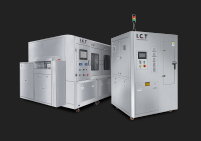
| SMT Cleaning Machine | Used for cleaning PCBs, stencils, fixtures, nozzles, etc. |
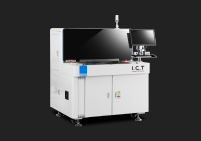
| Laser PCB Routing Machine | Cut the PCBA into the final product |
| Customer Success Video
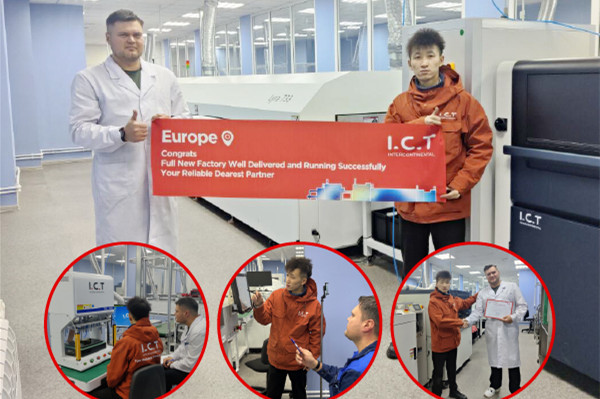
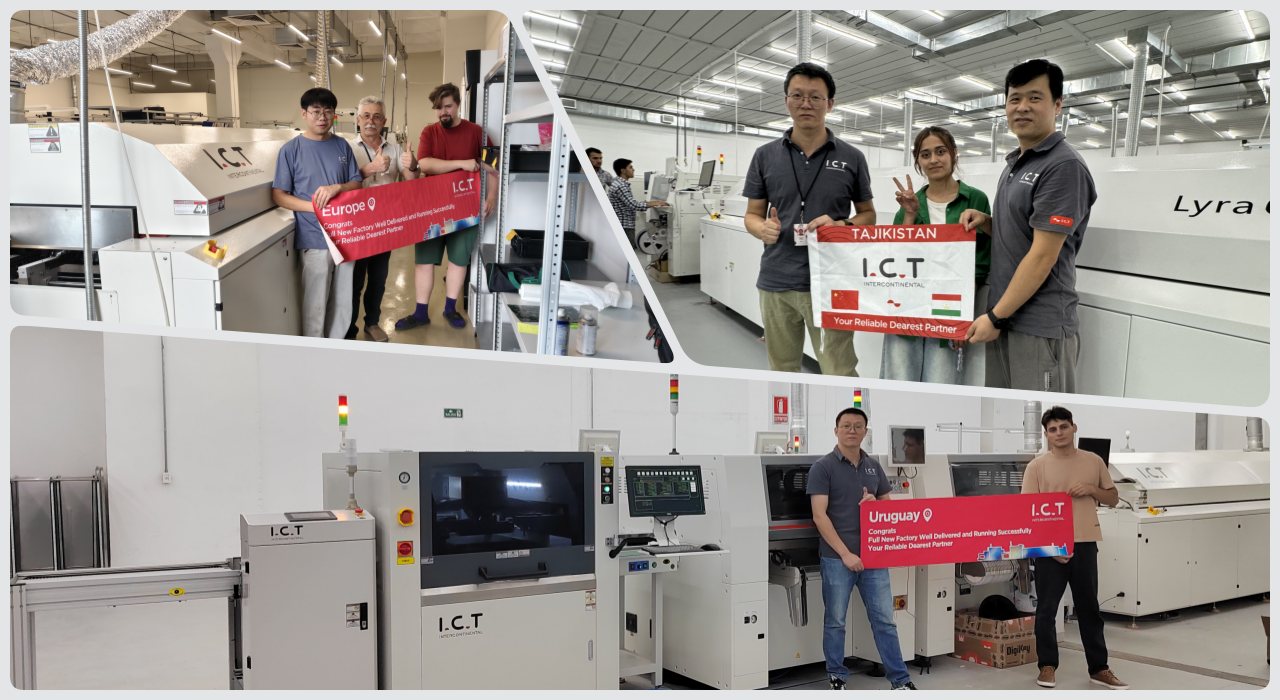
I.C.T recently supported a power supply manufacturer in Kazakhstan with a fully automatic surface-mount production line and a complete DIP insertion line. The surface-mount section included a PCB loader, full-automatic printer, placement equipment, conveyors, reflow oven, and offline AOI inspection. Engineers Andy and Billy traveled to the factory to position and connect the machines, check line operation, run production tests, and train the customer’s operators. After the work was completed, the customer thanked I.C.T for the equipment quality and suitable pricing. They also specifically praised Andy and Billy for building the line and teaching the local team how to use it. The project moved from equipment delivery to successful production through direct engineering support.
| Service and Training Support
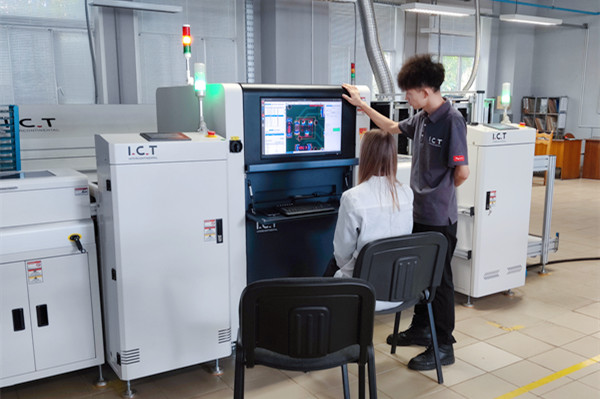
I.C.T provides project support based on the complete factory process, beginning with capacity review, layout design, utility planning, and equipment configuration. Before shipment, the machines are assembled, inspected, and tested according to the confirmed production requirements. At the customer’s site, engineers can complete positioning, leveling, line connection, communication checks, program setup, sample-board testing, and process adjustment. Training is arranged around the customer’s actual production flow, including solder paste printing, placement preparation, reflow control, inspection programming, material handling, preventive maintenance, and basic troubleshooting. Operators and maintenance staff receive practical guidance at the line instead of only reading manuals. This helps the local team understand how each production stage affects quality, output, and long-term line stability.
| Customer Feedback
Customers usually evaluate a complete factory project through production stability, engineering ability, shipment protection, and service response. I.C.T engineers work directly with local teams during installation and testing, explaining each process in clear steps and correcting problems found during trial production. Before delivery, equipment is cleaned, wrapped, cushioned, fixed with supports, and packed in export wooden cases to reduce movement during international transport. After production begins, technical questions are handled through coordinated support from salespeople and engineers, with remote guidance or site service arranged according to the situation. Customers often praise the practical training, careful packaging, and quick communication because these details reduce project risk and help the factory reach normal production sooner.

| Certifications and Standards
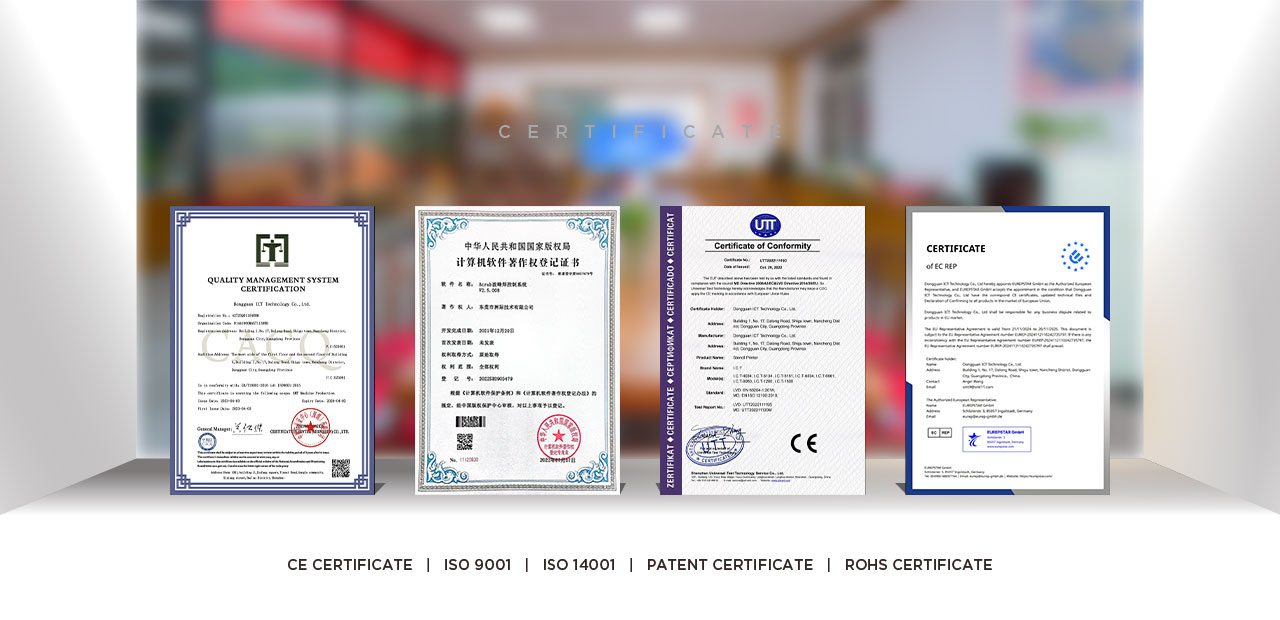
I.C.T applies quality control throughout complete production-line projects, from initial engineering design to equipment assembly, testing, packaging, and final delivery. The company’s available certifications and qualifications include CE, RoHS, ISO 9001, and multiple technical patents. These documents support electrical safety, environmental compliance, manufacturing management, and independent product development. Factory inspection does not rely on certificates alone. Incoming parts are checked before assembly, key functions are tested during production, and completed machines undergo electrical, mechanical, software, alarm, and operating verification. Equipment interfaces are also reviewed when multiple systems are prepared for one project. This process helps ensure that the final production line arrives as a coordinated manufacturing system with consistent quality standards across every stage.
| About I.C.T Company and Factory
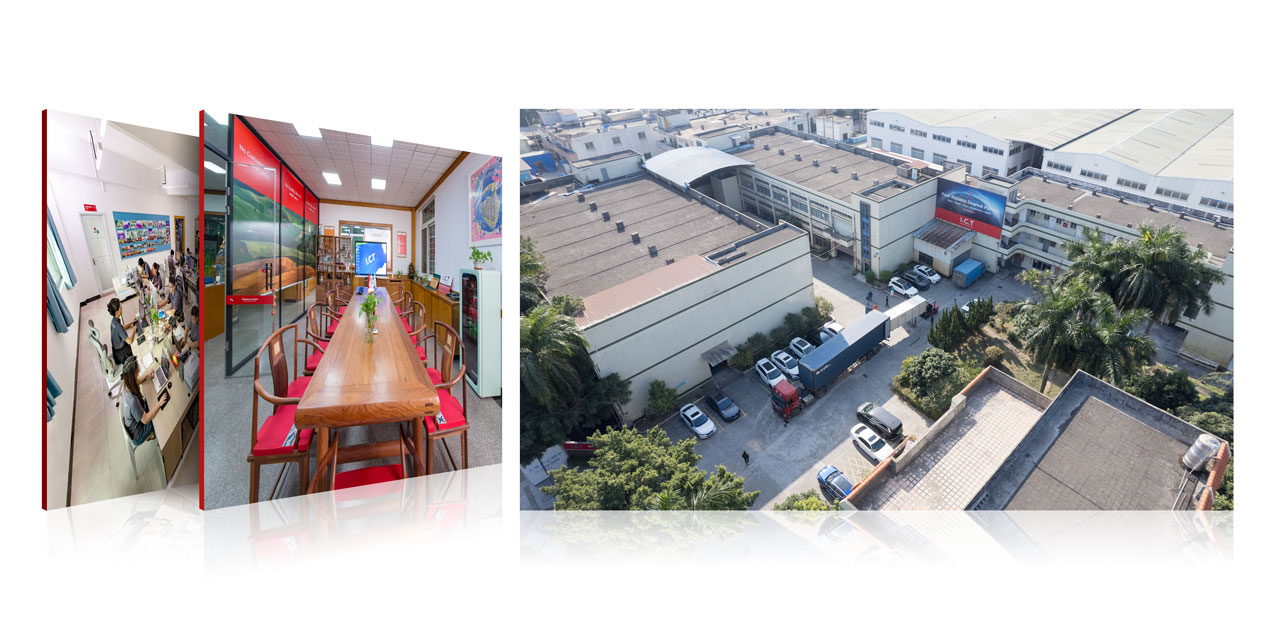
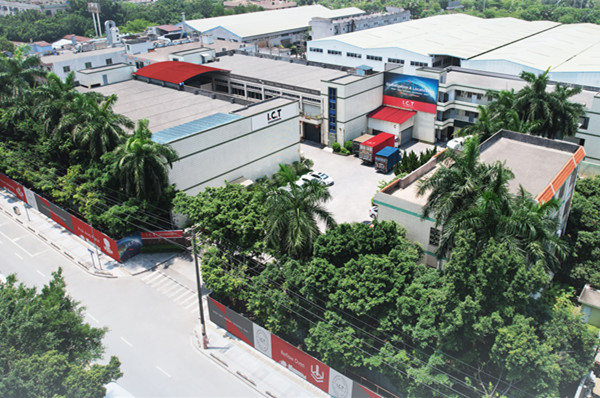
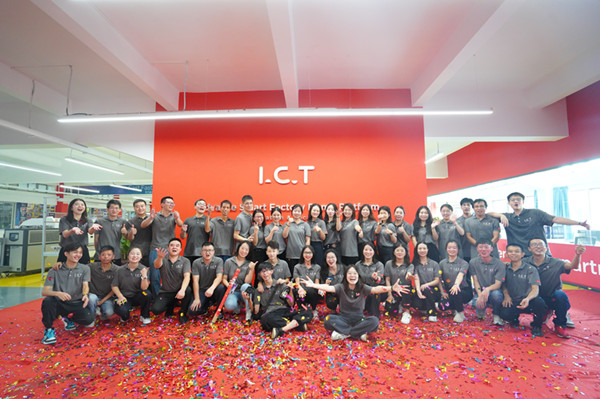
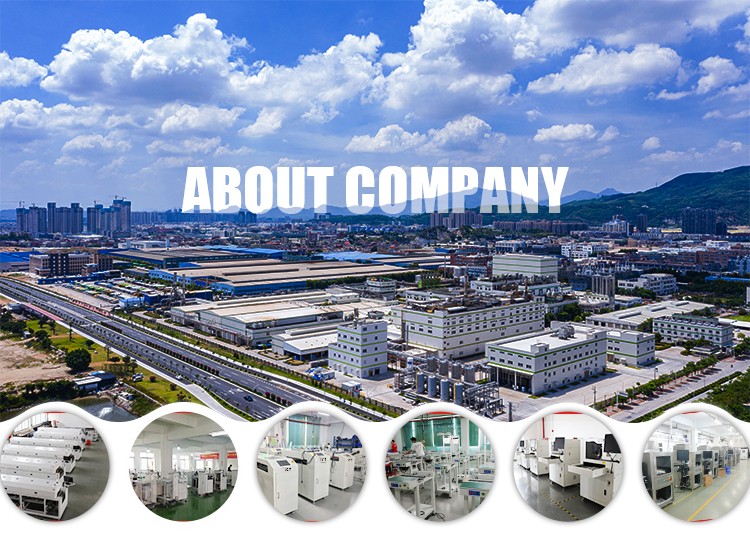
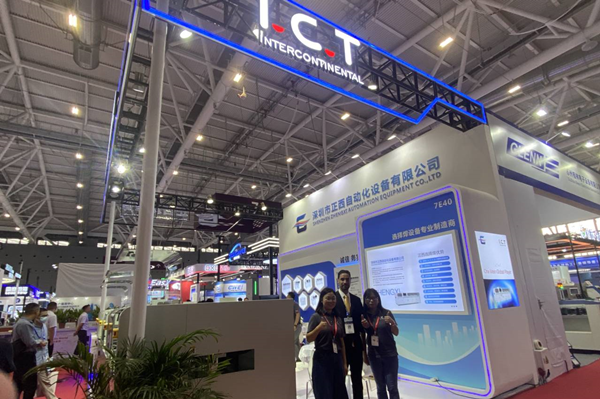
I.C.T provides complete factory solutions for surface-mount production, DIP assembly, conformal coating, dispensing, inspection, cleaning, traceability, and automation. The company has independent research, engineering, manufacturing, quality, sales, and international service teams, with more than 200 employees supporting global projects. Over 1,600 customers across more than 70 countries have used I.C.T solutions for new factory construction, capacity expansion, and production-line upgrades. Each project is planned according to real products, output targets, workshop conditions, and quality requirements. The factory follows defined procedures for incoming inspection, assembly control, machine testing, trial operation, packaging, and shipment approval. Through layout planning, equipment integration, installation, training, and long-term support, I.C.T helps manufacturers build stable and expandable electronics production systems.