English
  |


I.C.T-S4020
I.C.T
| Quantity: | |
|---|---|
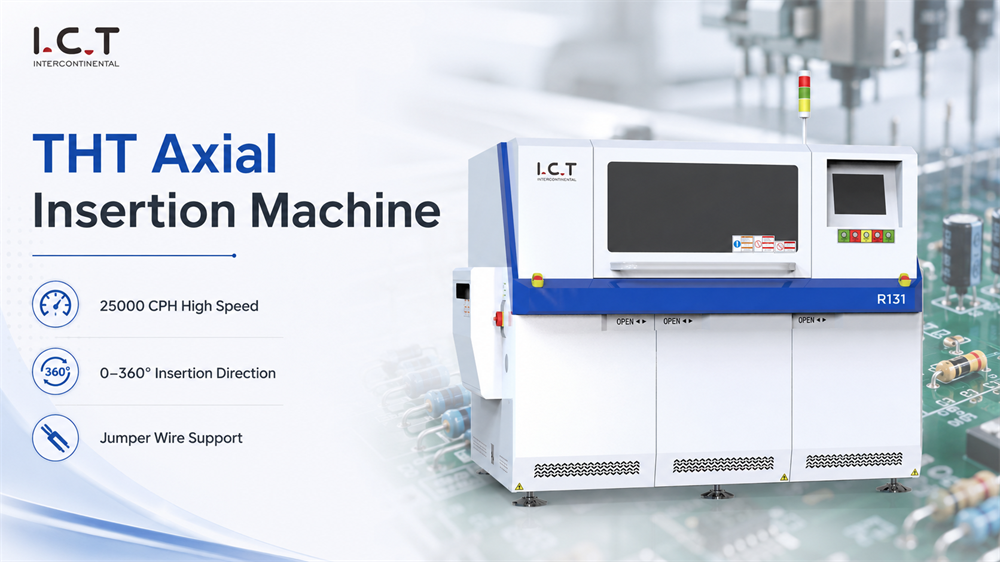
The Axial leaded component placement machine is designed for factories that want to reduce hand insertion in DIP and through-hole PCB assembly. Axial leaded parts may look simple, but when a board has many resistors, diodes, fuses, inductors, or jumper wires, manual work can quickly slow down the whole production flow. Operators may also place parts at different speeds or with different consistency.
This machine helps turn repeated axial insertion work into a controlled automatic process. It can place axial leaded components into PCB holes, handle jumper wire feeding, support stable board transfer, and prepare leads for the next soldering stage. For electronics manufacturers making power supplies, LED drivers, control boards, home appliance boards, and industrial PCB assemblies, the Axial leaded component placement machine helps improve process stability before wave soldering, selective soldering, inspection, and repair.
| Product Features
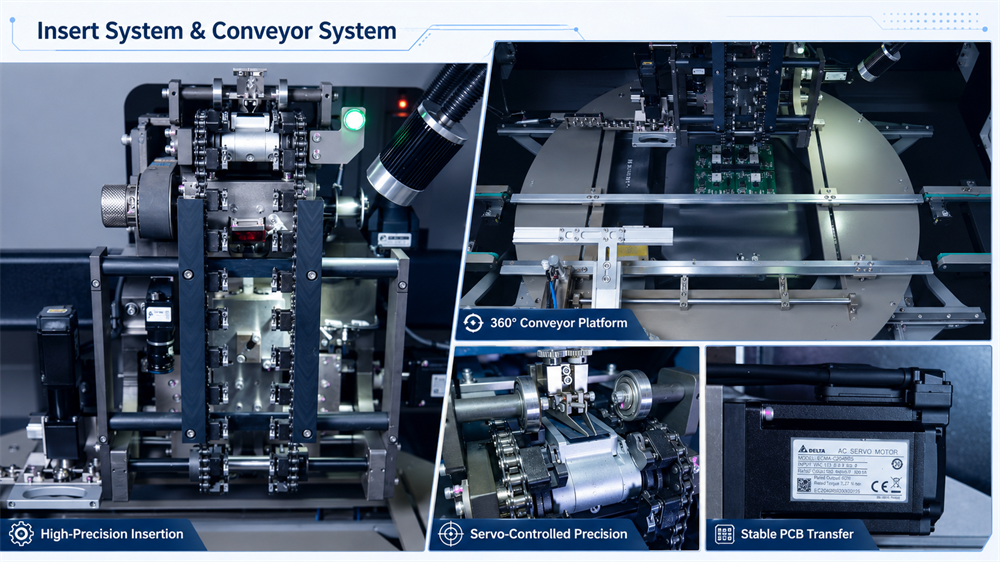
The insert system focuses on repeatability. Instead of depending on operator hand speed and experience, the machine uses accurate motion control to place axial leaded components into the PCB holes in a stable rhythm. This helps reduce missed insertion, uneven placement, and unnecessary rework before soldering. For Customers with medium or large batch production, this can make daily output easier to control.
The conveyor system keeps the PCB steady while the insertion process is running. Board positioning, clamping, transfer belt movement, sensor stopping, and mechanical support work together to reduce shaking or offset. This is important because axial insertion quality depends not only on the insertion head, but also on whether the PCB stays in the correct position. A stable transfer structure also makes the machine easier to connect with other DIP line equipment.
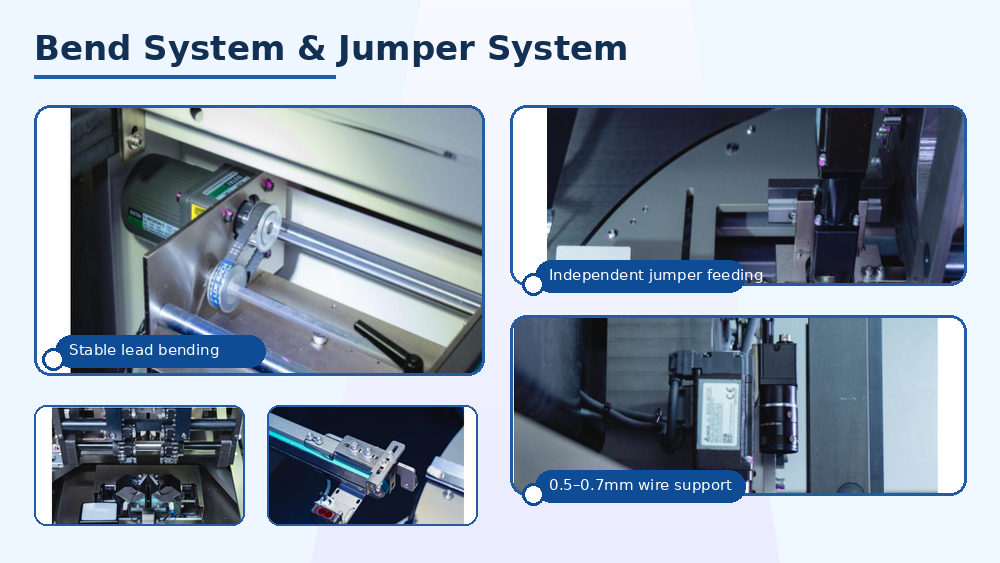
After axial parts are inserted, the bend system helps form the component leads under the PCB. This helps keep the component in place during board transfer and soldering. A good lead forming structure can also reduce loose parts and improve the stability of the soldering process. The design is made for easier maintenance, so operators can check and adjust the bending area without wasting too much production time.
The jumper system gives the machine more value in real PCB assembly. Many boards need jumper wires, especially in power boards, control boards, and cost-sensitive through-hole products. With independent jumper feeding, the machine can support jumper insertion together with normal axial components. This makes the Axial leaded component placement machine more useful than a simple table top axial placement machine when the factory needs a wider process range.
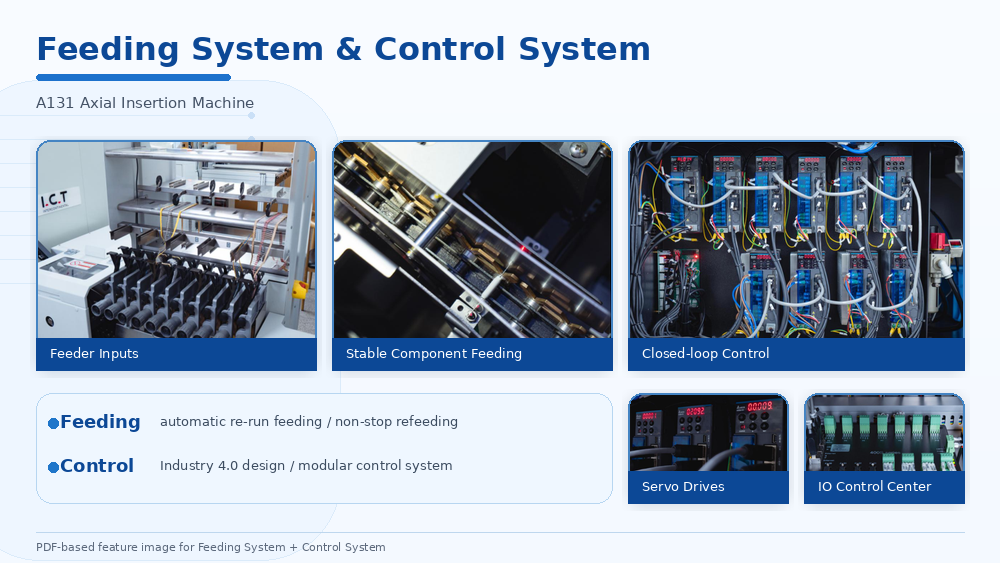
The feeding system is designed to reduce material interruption. It can support continuous component supply and help the operator prepare materials more efficiently. For high-mix PCB production, feeding flexibility matters because different boards may use different axial leaded parts. Stable feeding helps the whole line keep its rhythm and reduces the time lost during changeover.
The control system gives operators a clearer way to manage the insertion process. Program storage, touch screen control, automatic recovery, and closed-loop response help make daily operation easier. For factories comparing an smt insert machine, Axial auto Insertion Machine, or other through-hole automation equipment, the control system should not be ignored. Easy operation, stable response, and clear program management can reduce training pressure and improve long-term production use.
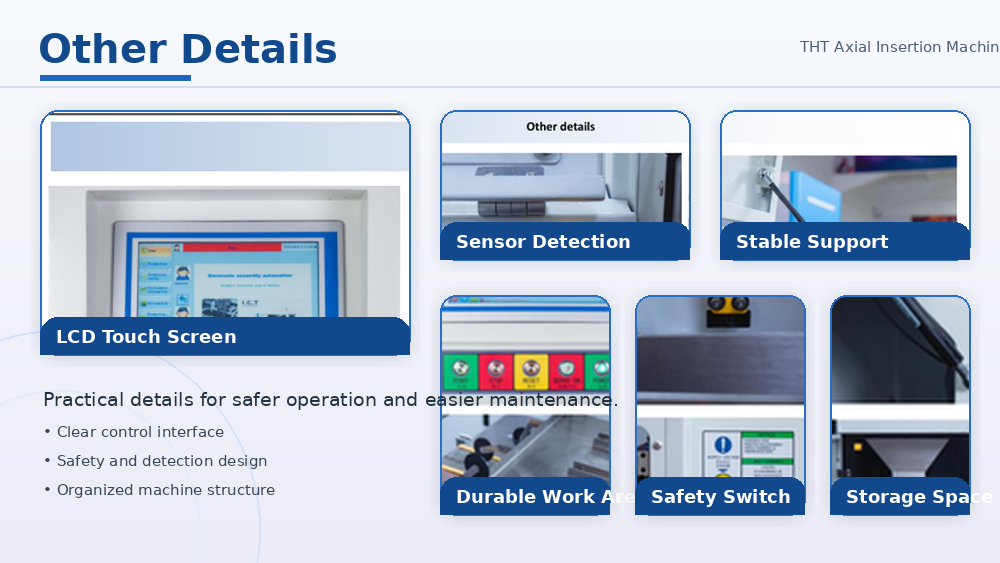
The Axial leaded component placement machine supports flexible insertion direction for different PCB layouts. It can work with lead bending, jumper wire handling, stable PCB fixing, and automatic recovery functions. These details help the machine fit practical auto insertion Machine for PCB assemblies where board design and component types change often. When matched with suitable line equipment, it can become part of a larger DIP automation process instead of standing alone as a separate machine.
| Specification
| Specification | A131M | A131H |
|---|---|---|
| Component Feeder Input | 10pcs (Option: 30, 40, 50, 100pcs) | 20pcs (Option: 30, 40, 50, 100pcs) |
| Insertion Speed | 25000CPH, Max 0.12s/point (0.14s, 0.16s, 0.18s/point changeable) | 25000CPH, Max 0.12s/point (0.14s, 0.16s, 0.18s/point changeable) |
| Insertion Span | Component: 5~22mm, Jumper: 5~26mm | Component: 5~22mm, Jumper: 5~26mm |
| Jumper Feeder | 0.5~0.7mm, Independent Feeding | 0.5~0.7mm, Independent Feeding |
| Insertion Recovery | Auto recovery | Auto recovery |
| Insertion Direction | 0~360° direction by 1° increment | 0~360° direction by 1° increment |
| Component Lead bend Angle | 35°±15° | 35°±15° |
| Component Lead bend Length | 1.2~2.2mm | 1.2~2.2mm |
| Component Type | Jumper, Capacitor, Transistor, Diode, Inductor, Resistor, Fuse etc., 52-90mm Standard Package | Jumper, Capacitor, Transistor, Diode, Inductor, Resistor, Fuse etc., 52-90mm Standard Package |
| Insertion Precision | 0.05mm | 0.05mm |
| PCB Size | 50*50~380*380mm | 50*50~380*380mm |
| Insertion Area | 50*50~370*370mm | 50*50~370*370mm |
| PCB Weight | <1.0Kg | <1.0Kg |
| PCB Thickness | 1.0~2.0mm | 1.0~2.0mm |
| PCB Fixed | Pin + Clamp | Pin + Clamp |
| Transport Height | 900±20mm | 900±20mm |
| Transport Direction | R~L (Optional: L~R) | R~L (Optional: L~R) |
| Transport Time | 3-4s | 3-4s |
| Operate | Microcomputer, LCD Touch Screen | Microcomputer, LCD Touch Screen |
| Language | Chinese, English | Chinese, English |
| Program Quantity | 2000+ | 2000+ |
| Air Pressure | 0.45~0.6Mpa | 0.45~0.6Mpa |
| Air Source Flow | 110L/min | 110L/min |
| Power Supply | 1P, 220AC±10%, 50/60HZ | 1P, 220AC±10%, 50/60HZ |
| Power | 2.0KVA | 2.0KVA |
| Dimension | L2080*W1750* H1600mm | L2080*W1750* H1600mm |
| Feeder Station Size | 10Feeder: 1360*1000*1460mm, 20Feeder: 1860*1000*1460mm, 30Feeder: 2360*1000*1460mm | 10Feeder: 1360*1000*1460mm, 20Feeder: 1860*1000*1460mm, 30Feeder: 2360*1000*1460mm |
| Weight | 1300kg | 1300kg |
*I.C.T keeps working on quality and performance, specifications and appearance maybe updated without particular notice.If different, please follow the new list。
| DIP Line Equipment List

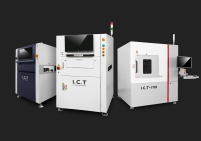
I.C.T can provide full DIP and THT production line equipment based on the Customer’s board size, component package, process route, target capacity, and factory space. Related equipment can include axial insertion equipment, radial insertion equipment, odd-form insertion machines, manual insertion conveyors, wave soldering machines, selective soldering machines, DIP AOI, loaders, unloaders, buffer conveyors, repair stations, and test equipment.
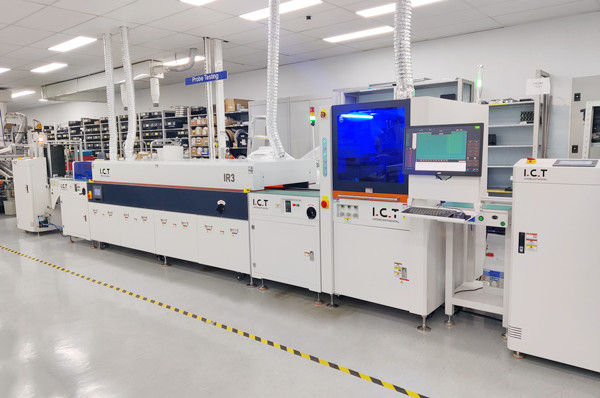
For a complete through-hole production line, equipment matching is very important. The insertion machine, soldering machine, inspection station, repair area, and PCB handling units need to match in transfer height, board direction, production speed, and operator position. I.C.T helps Customers plan these details before delivery, so the line can be easier to install and easier to run.

| Product Name | Purpose in DIP Line |
|---|---|
| PCB SMT line | Turnkey Ful-auto SMT assembly line |
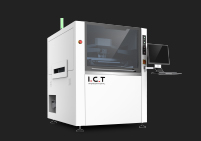
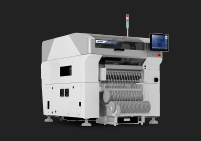
| Automatic Insert Machine | Automatically places components onto PCBs with precision for DIP production line. |
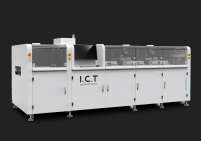
Melts solder to form solid joints on PCBs during THT plug-in process. | |
Applies solder selectively to specific areas for accurate THT assembly | |
Inspects solder joints and placement defects on DIP assembled PCB. | |
Checks internal solder quality and hidden defects in THT components. | |
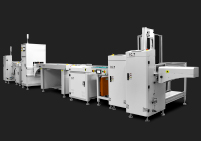
| Belt Assembly Line | Transports PCBs smoothly through the DIP line for efficient assembly and inspection. |
| Customer Success Video
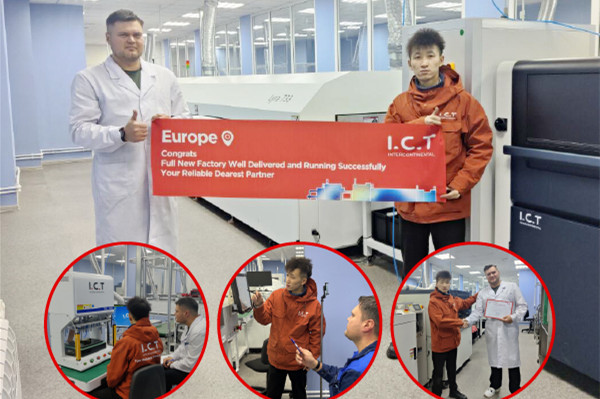
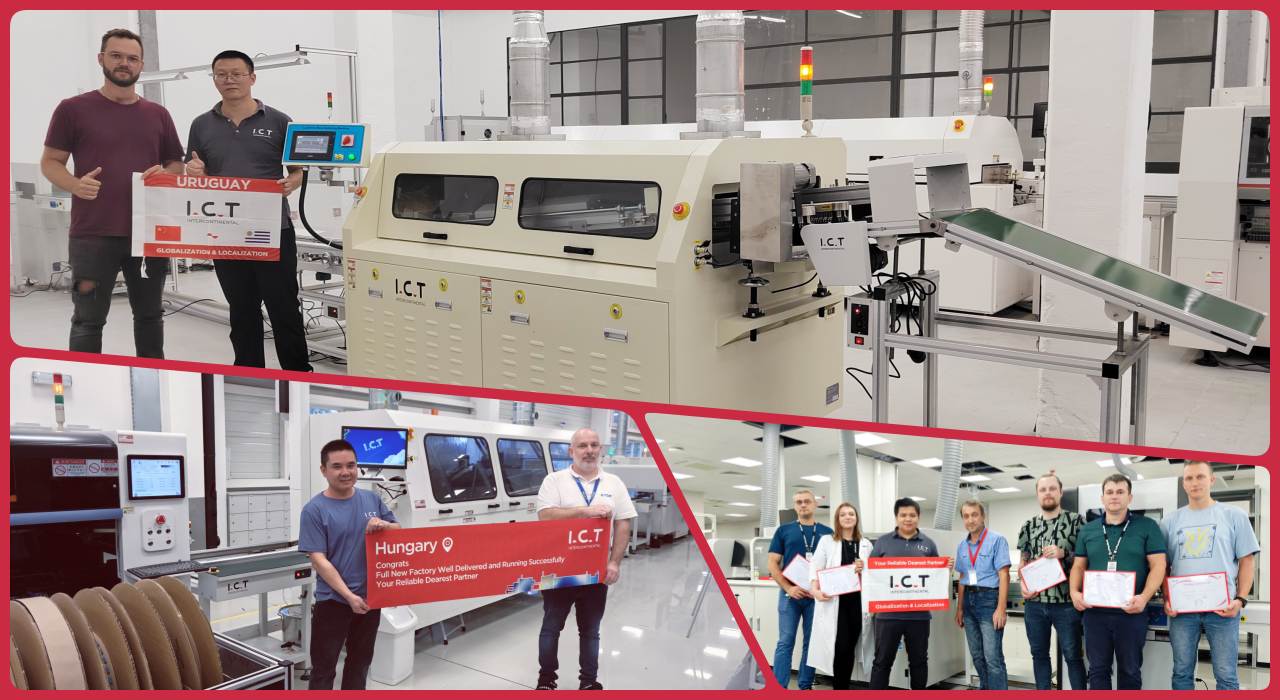
An I.C.T Customer from Hungary visited our factory in early December to check their customized automatic THT insertion line. The project was planned for through-hole PCB production and included insertion equipment, wave soldering equipment, and DIP AOI inspection. During the project process, I.C.T engineers reviewed machine connection, component insertion performance, soldering process, inspection function, and full line operation with the Customer.
The Customer also discussed production details with our team, including component preparation, PCB flow, soldering connection, inspection position, and future factory use. This project shows how I.C.T helps Customers reduce manual insertion pressure and build a more complete DIP automation line from equipment selection to production preparation.
| Comprehensive Service Support
For SMT, DIP, and THT projects, I.C.T service covers the whole production process. Before installation, our team can help review layout, board direction, machine sequence, air and power preparation, operator stations, maintenance space, and process connection. During installation, engineers guide line connection, machine adjustment, program setup, test running, and operator training. Training is not limited to one machine. It also covers material preparation, production flow, safety points, maintenance schedule, common troubleshooting, and how each process connects with the next one. This helps Customers build a smoother production line and reduce mistakes during early operation.
| What Clients Say
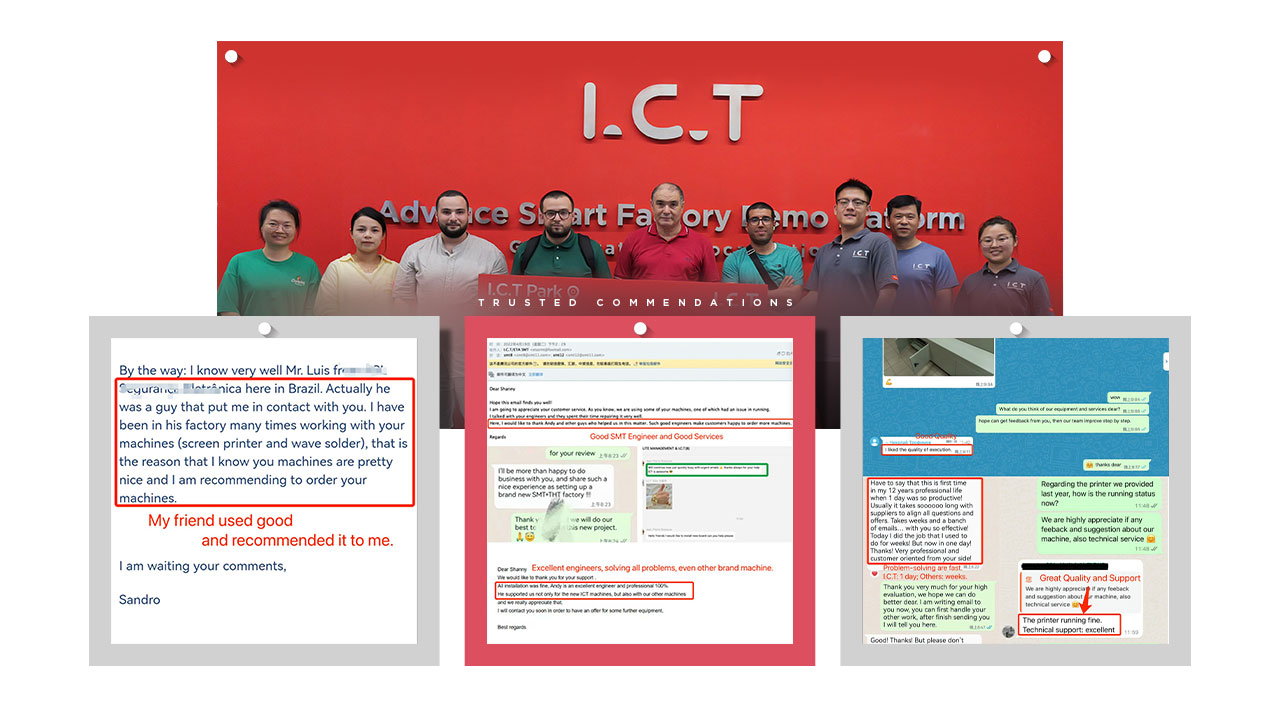
Customers usually care about whether the whole line can run smoothly after installation. In DIP and THT projects, they often mention that I.C.T gives practical advice on board flow, equipment layout, soldering connection, inspection arrangement, and operator movement. They also value clear training, quick communication, careful packaging, and engineering support when production questions appear. For Customers upgrading from manual insertion to automation, the most helpful part is not only receiving machines, but also understanding how to organize the complete line for stable output.
| Certifications and Standards
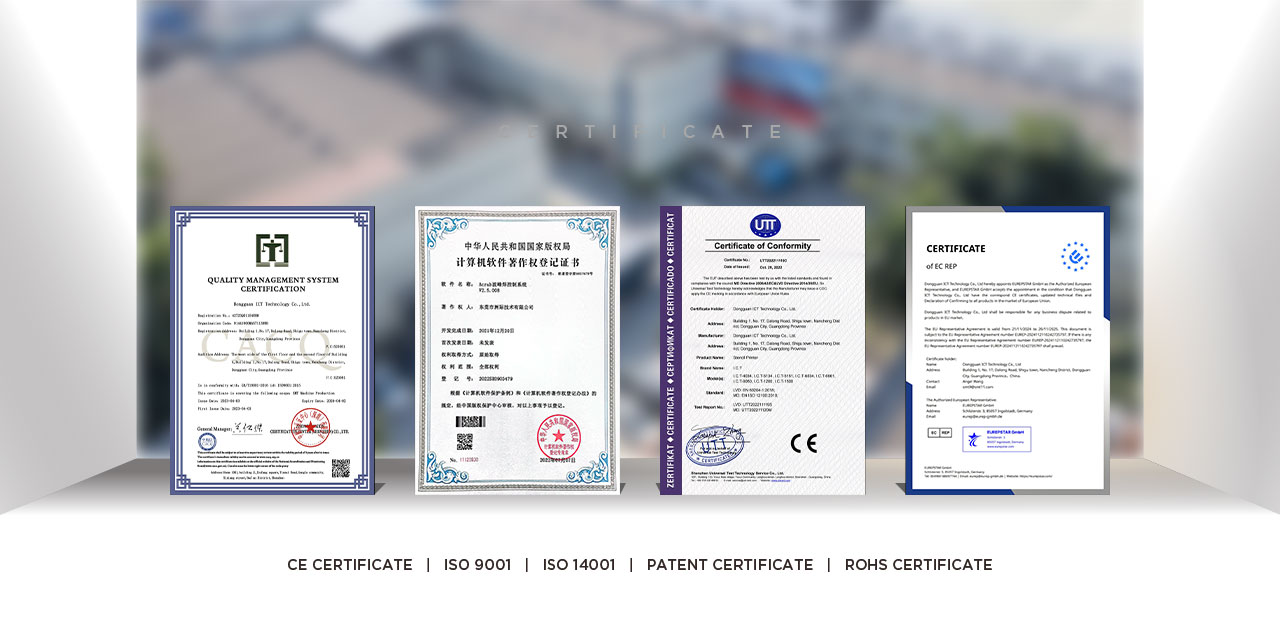
I.C.T supports complete SMT, DIP, and THT production lines with quality documents such as CE, RoHS, ISO9001, patents, and related inspection records according to project requirements. For a full production line, quality control includes machine testing, conveyor matching, electrical safety, air supply checking, soldering process connection, inspection flow, software review, and export packaging. Before shipment, equipment is checked through mechanical inspection, electrical testing, function testing, and packing review. This helps Customers reduce installation risk and build a more reliable electronics manufacturing system.
| About I.C.T Company and Factory
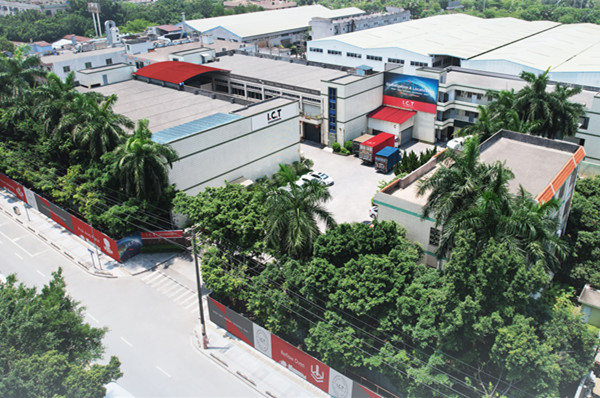
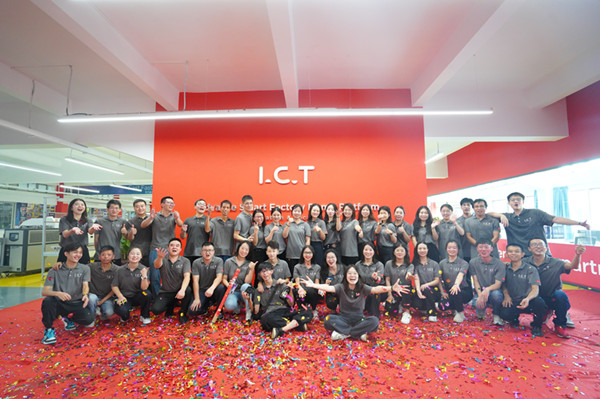
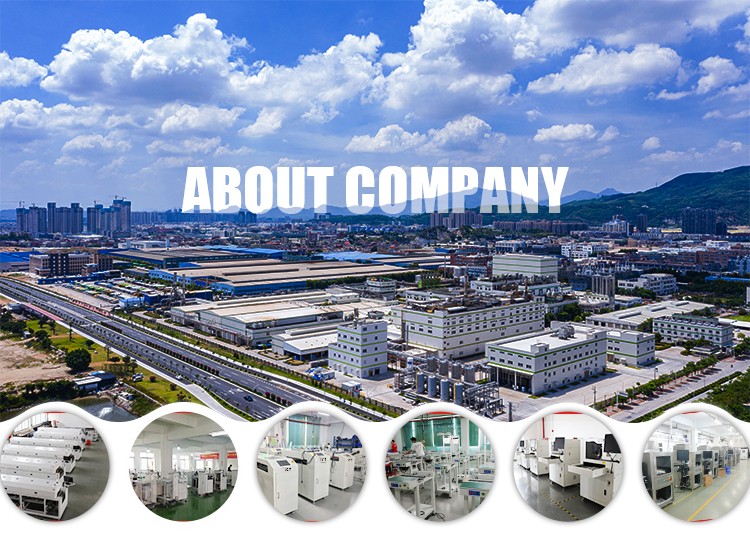
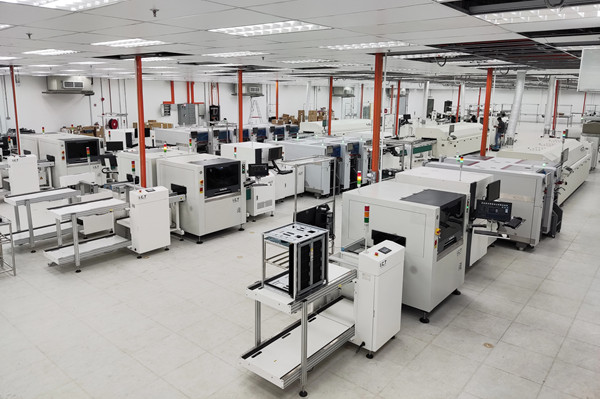
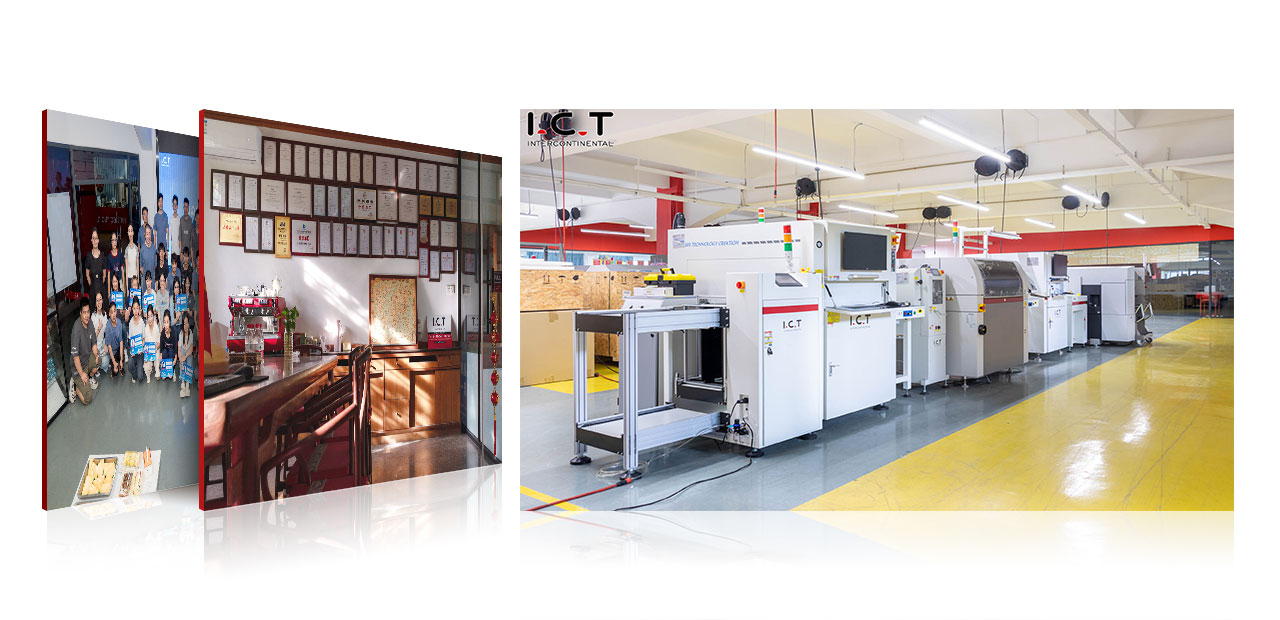
I.C.T provides SMT, DIP, coating, automation, inspection, and full factory line solutions for electronics manufacturers. The company has its own R&D, production, engineering, sales, and service teams. I.C.T focuses on how each machine works inside the Customer’s real production flow, including layout, capacity, product type, inspection needs, maintenance access, and future expansion. With project experience in different countries and industries, I.C.T helps Customers move from separate equipment purchasing to complete electronics manufacturing planning.