English
Views: 0 Author: Site Editor Publish Time: 2026-05-15 Origin: Site
You need to keep electronic devices safe from water, dust, and chemicals. Conformal coating is the best choice for most electronics. It covers surfaces evenly and protects important parts. Picking the right coating method helps you make devices last longer. It also lowers the chance of things breaking. The market for coating equipment is growing quickly. Japan’s conformal coating dispensing equipment market was USD 0.9 billion in 2024. It is expected to reach USD 2.7 billion by 2033. Conformal coating makes a thin layer that protects. Dispensing puts material only where it is needed.
Pick conformal coating to protect the whole circuit board from water, dust, and chemicals.
Use dispensing if you want to protect only certain parts or make repairs and upgrades easier.
Think about how many boards you need; conformal coating works well for big batches, but dispensing is good for small jobs.
Look at costs closely; conformal coating can save money when making lots of boards, but dispensing is cheaper for special needs.
Learn about new things like nano-coating, which gives strong protection without making the board heavier or bigger.
It is important to know where each method works best. Conformal coating covers the whole circuit board. You use it to protect all parts from moisture, dust, and chemicals. This method is good for consumer electronics, cars, and aerospace devices. It gives even coverage and strong protection.
Dispensing protects only certain parts. You use it for connectors, chips, or places that need extra strength. Many people pick dispensing for repairs or to avoid coating sensitive parts. It is used in LED assemblies, power supplies, and medical devices.
Tip: Use conformal coating if you need to protect the whole board. Use dispensing if you need to cover small areas.
You should think about a few things before picking a method. Here are some important points:
Board Design: If your board has tall or sensitive parts, dispensing may be better.
Production Volume: For big jobs, conformal coating saves time and gives even results.
Protection Needs: Use conformal coating for full coverage. Use dispensing for spot protection.
Rework and Repair: Dispensing makes it easier to fix or change parts later.
Cost: Conformal coating costs less for big batches. Dispensing can save money for small jobs or special needs.
This table can help you decide:
Factor | Conformal Coating | Dispensing |
|---|---|---|
Full Board Coverage | Yes | No |
Spot Application | No | Yes |
Easy Rework | No | Yes |
High Volume | Yes | Sometimes |
Pick the method that fits your needs and goals.
Conformal coating protects circuit boards from tough places. This thin layer stops moisture, dust, and chemicals. It helps devices last longer and work well. Many industries use conformal coating. You see it in marine, cars, electronics, and aerospace. Each industry uses it for different reasons. The table below shows how it helps:
Industry | Benefits of Conformal Coating |
|---|---|
Marine | Stops humidity, saltwater, and temperature changes. |
Consumer Electronics | Protects circuits from moisture, dust, and wear. |
Automotive | Keeps control units safe from heat, moisture, and shaking. |
Aerospace & Defense | Makes electronics safe in harsh conditions. |
These are the main benefits of conformal coating:
It blocks moisture, dust, and chemicals.
It keeps electronics working well.
It helps products last longer.
You can pick different ways to put on conformal coating. Each way works best for certain jobs. The most common ways are spray, dip, and brush. The table below explains each one:
Application Method | Advantages | Disadvantages |
|---|---|---|
Spray Application | Good for big batches, smooth finish | Needs masking, not good for small jobs |
Dipping Methods | Fast, covers under parts well | Edges may miss coating, needs more masking |
Brush Application | Simple, cheap for small batches | Slow, only one side at a time, uneven thickness |
You can use selective or full coating. Selective coating covers only some areas. Full coating covers the whole board.
More companies use conformal coating as electronics get smaller and harder to make. The market for conformal coating grows every year. You must follow important standards. The IEC 61086-1 standard makes sure your coating is reliable. This standard helps protect products in tough places. You should check the shelf life of your coating materials to avoid waste and keep quality high.
Dispensing is when you put protective materials only where you need them on pcbas. This method lets you cover just the spots that need it on printed circuit board assemblies. It helps you use less material and make less waste. Dispensing is good for repairs and upgrades because you can take off or add material easily. You have more control over where the protection goes. You can use dispensing for microvolume adhesive dispensing, which is important for small parts.
There are many good things about using dispensing for pcbas. The table below shows how different industries use dispensing and what you get:
Application Type | Market Share | Benefits |
|---|---|---|
ADAS Component Protection | 7% | Gives protection from the environment and electrical insulation. |
Semiconductor Packaging | 31% | Shows high need for precise dispensing in important quality jobs. |
Manufacturing Facilities | N/A | Needs very exact material control to keep parts good and production fast. |
Dispensing lets you be very exact. This helps keep your pcbas safe and working well.
You can use many kinds of materials for dispensing on pcbas. Each one has its own job. The table below lists common materials and where you use them:
Material Type | Typical Use Cases |
|---|---|
Epoxy Resins | Used for potting in cars, home electronics, and farm machines for safety and long life. |
Polyurethanes | Gives support and protects from the environment in many electronic uses. |
Silicones | Used for moisture and shaking protection in small electronic devices. |
You also see other materials like conductive materials, solder pastes, adhesives, hydrogels, bioinks, and polymer composites. Capillary flow underfills are used for fast production. No-flow underfills are good when you need to fix or change pcbas. Thermal Interface Materials fill tiny spaces to help move heat away from parts. This keeps your pcbas cool and safe.
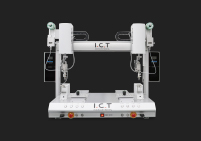
There are many types of equipment for dispensing. Most of the market uses automated dispensing systems. You can buy semi-automatic systems for $12,000 to $89,000. If you want more speed and accuracy, you can get automatic systems. These can cost between $12 million and $28 million, mostly for big semiconductor factories. Most electronics makers pick automated dispensing to keep up with orders and make better products.
Dispensing gives you more choices than conformal coating. You can fix or change pcbas more easily. The table below compares dispensing and conformal coating:
Feature | Dispensing Methods | Conformal Coating |
|---|---|---|
Flexibility | Usually better | Good, but depends on the material |
Reworkability | Easier to remove for repairs | Harder with some materials |
Application Precision | More exact application | Not as exact as dispensing |
Environmental Protection | Good, but depends on the material | Gives good protection from the environment |
You can use dispensing to protect pcbas and keep your production line working well. Automated dispensing helps you make high quality products and meet market needs.
Conformal coating protects electronic boards from moisture and dust. It also keeps chemicals away from the board. The coating covers the whole board or just some parts. The layer is thin and keeps the board safe. You can use different ways to put on the coating. Each way works for different jobs and sizes.
Here is a table that shows the main ways you can apply conformal coatings:
Application Method | Description | Use Case |
|---|---|---|
Manual spraying | You use a spray can or gun. The result depends on your skill. | Low volume production |
Automated spraying | A machine sprays boards for even coverage. | High volume production |
Selective coating | Robots coat only certain areas. You need less masking. | High volume assembly |
Dipping | You dip the board in coating. Both sides get covered at once. | High volume assembly |
Brushing | You use a brush for small spots. This takes more time and effort. | Repair and rework |
You must watch the process closely. Check the temperature and humidity. Make sure the coating is not too thick or thin. If you use UV-sensitive coatings, store them in the right light and humidity. Small changes in temperature can change how the coating spreads.
Processing time depends on the coating type. Acrylic coatings take 30 to 45 minutes to apply. They need more than 24 minutes to cure. Newer coatings take less than 15 minutes to apply. They cure in under a minute. Some special coatings, like 3M Novec, take less than 5 minutes to apply. They cure in 30 minutes.
Dispensing puts protective material only where you need it. You use this for connectors, chips, or small parts. There are different ways to dispense, like jet or needle dispensing. Each way lets you control where and how much material you use.
The process starts when you load material into the dispenser. You set the machine to control amount, speed, and pressure. The dispenser puts small dots or lines on the board. You can use dispensing for adhesives, underfills, or thermal materials.
Dispensing works well for jobs with many different products. You can change the setup quickly. Jet dispensing gives high precision. It works on boards with different heights. You can use dispensing for repairs or upgrades. You can add or remove material easily.
You must pay attention to the material you use. Many materials are non-Newtonian fluids. Their thickness changes when you push them. This affects dot size and speed. The shape of the particles changes how the material flows. You need to manage temperature and pressure for best results.
Aspect | Description |
|---|---|
Material Type | Many materials are pastes that change thickness under pressure. |
Behavior | Shear thinning helps the material flow better when you push it. |
Impact on Dispensing | You must control temperature and pressure to keep dot sizes and speed steady. |
Particle Morphology | The shape of the particles changes how the material moves through the dispenser. |
Collaboration | Some companies work with material makers to test and improve how materials flow. |
Conformal coating and dispensing have different challenges. Each process needs you to watch and control certain things.
For conformal coating, you must check viscosity, temperature, and humidity. Even a small change can make the coating spread differently. Store UV-sensitive coatings in the right conditions. Boards with tall or complex parts can be hard to cover evenly. Shadowing and height differences can make inspection harder.
It can be hard to check if the coating covers every part.
Complex board designs can block the coating from some areas.
Different part heights and shapes can make the process less reliable.
With dispensing, you must know how the material acts. Many materials get thinner when pushed through the dispenser. This can change dot size and speed. You must clean the equipment often, especially with jet dispensing. Dispensing works well for boards with many parts, but you must set up the machine for each job.
Jet dispensing gives more flexibility and precision.
You can work with boards that have different heights.
You may face cleaning challenges with some materials.
Note: Both processes need careful setup and control. You must know your board design, material, and production needs to pick the best process.
You need the right equipment for conformal coating. Different systems work for different jobs. Some are better for big batches. Others are good for small amounts. The table below shows main types, their market share, cost, and features:
Coating System Type | Market Share | Equipment Cost Range | Key Features |
|---|---|---|---|
Spray Coating Systems | 38.5% | $85,000 to >$2.8 million | High-throughput, automated spray guns, consistent coverage uniformity of 98.4%. |
Dip Coating Systems | 19.2% | $120,000 to $480,000 | Economical for high-volume coating, requires temperature control and fume extraction. |
Brush Coating Systems | 14.0% | $25,000 to $95,000 | Specialized for hand-applied or semi-automated applications, minimal investment required. |
Spray systems cover boards quickly and evenly. Dip systems coat many boards at once. Brush systems are best for repairs or small jobs.
Dispensing systems put protective materials only where needed. You use them for small parts or special spots. When picking a system, look for:
Precision for tiny parts and mini components
High accuracy for adhesives and coatings
Automation to speed up work and cut waste
Control over fluid thickness and chemistry
Ability to set drop size and speed
Dispensing systems make production faster and easier. They lower labor costs and keep quality steady. You can change these systems for different jobs. This gives you more choices.
You must keep your equipment clean and working well. Each type has its own needs. For example, parylene coating equipment costs $850,000 to $2.1 million. It needs vacuum chambers. Urethane coating equipment costs more than standard systems. It needs moisture control. Spray coating systems cost $85,000 to $2.8 million. They can be manual or fully automatic. Dip coating equipment is cheaper but needs temperature control and handling.
Selective coating systems help save material and reduce waste by up to 45%. Clean and check your equipment often. Good care helps you avoid problems and keeps things running smoothly.
Tip: Always follow the manufacturer's rules for cleaning and fixing your equipment. This keeps your production line working and your products safe.
When you choose a protective coating method, you want to know how it will affect your roi. You need to look at the money you spend at the start, the costs to keep things running, and how well your products turn out. This section helps you compare both methods so you can make the best choice for your business.
You must think about the first money you spend on equipment. The price can change a lot based on what you pick. Here is a table that shows the average investment for each type:
Equipment Type | Investment Range |
|---|---|
Conformal Coating | $25,000 to over $2.1 million |
Dispensing Equipment | $140,000 to $1.2 million |
If you have a small job or want to start simple, you can pick a lower-cost system. If you need to coat many boards or want more automation, you will pay more at the start. You should match your investment to your production needs.
Tip: Plan your budget before you buy. Think about how much you will make and how fast you want to grow.
After you buy your equipment, you will have ongoing costs. These include materials, labor, energy, and maintenance. Each method has its own needs.
Material Use: Conformal coating covers the whole board, so you use more material. Dispensing uses less because you only put it where you need it.
Labor: Automated systems lower labor costs. Manual systems need more workers and time.
Maintenance: Machines need cleaning and care. Automated systems may need special parts or service.
Energy: Bigger machines use more power. Smaller or manual systems use less.
You can save money by picking the right process for your job size. If you make many boards, automation helps lower costs over time. If you do small jobs or repairs, manual systems may cost less.
You want your products to work well and last long. High quality and good yield mean fewer mistakes and less waste. This helps your roi because you spend less fixing problems.
Method | Quality Considerations | Yield Rate Considerations |
|---|---|---|
Conformal Coating | Controlled withdrawal rates give even thickness. Ultrasonic spray systems make fine droplets but cost more. | New tech can boost transfer efficiency to 80-90%. Automated systems cut defects by up to 40% for small parts. |
Dispensing Methods | Automated brush systems may not spread material well on tricky shapes. You need good environmental control to avoid defects. | Changes in material thickness can hurt coating evenness and yield. Solvent-based coatings flow well but can be unsafe. |
Automated systems for small parts can lower defects by up to 40%.
UV-curable coatings dry fast and stop material from spreading to the wrong spots.
If you want the best results, you must control your process. Watch for changes in temperature, humidity, and material thickness. Good control means better products and higher yield.
Note: High yield and low defects help you get the most from your investment. This improves your roi and keeps your customers happy.
You want your electronics to work in tough places. Conformal coating protects against water, dust, and chemicals. It covers the whole board and blocks water. This gives better moisture protection than dispensing. Conformal coating works well in cars, planes, and factories.
Aspect | Conformal Coating | Dispensing Technologies |
|---|---|---|
Environmental Resistance | Enhanced resistance to moisture, chemicals, and temperature extremes | Not specified |
Composition Impact | May contain VOCs and heavy metals, posing environmental risks | Not specified |
Application Environments | Suitable for automotive, aerospace, and industrial applications | Not specified |
Dispensing only protects certain parts. It does not cover the whole board. You may not get as much protection as conformal coating. If you need full protection, pick conformal coating.
You want your devices to work every time. Conformal coating covers all parts and keeps out moisture. This lowers the risk of short circuits. It helps your products last longer. Dispensing makes repairs easier. You can remove material from one spot and fix things. Conformal coating makes repairs harder because it covers everything. Think about how often you need to fix your boards.
Tip: Use dispensing if you need to repair often. Pick conformal coating for the best long-term protection.
You must store coating materials the right way. Conformal coating materials last longer if kept cool and dry. Some types may not last as long, so check the label. Dispensing materials also need good storage. Special adhesives or pastes may dry out faster. Always use older materials first. Good storage keeps your products safe and working well.
Note: Check your materials often. Good inventory control keeps your production running and your protection strong.
It is important to know each method’s steps. Conformal coating covers the whole board. First, you clean the board. Next, you mask parts that should not get coated. Then, you put on the coating. After that, you cure the board. Dispensing only covers certain spots. You clean the board first. Then, you set up the dispenser. You put material on just the needed areas. Last, you cure the board. Here is a simple table:
Step | Conformal Coating | Dispensing |
|---|---|---|
Cleaning | Required | Required |
Masking | Often needed | Rarely needed |
Application | Covers whole board | Targets specific spots |
Curing | Needed | Needed |
Inspection | Checks full coverage | Checks spot accuracy |
Tip: Dispensing saves time if you only need to protect some parts.
You need the right equipment for your job. Conformal coating uses spray machines, dip tanks, or brushes. These tools cover big areas fast. Dispensing uses automated dispensers, jetting tools, or needle applicators. These tools help you work on small parts. Here is a quick list:
Conformal coating: Spray machines, dip tanks, brushes
Dispensing: Automated dispensers, jetting tools, needle applicators
You can change dispensing tools for different jobs. Conformal coating works best for big batches.
You should think about how much things cost. Conformal coating uses more material because it covers everything. Dispensing uses less material and makes less waste. Conformal coating machines can cost less for small jobs. Dispensing machines cost more but save money on materials. Here is a table:
Cost Factor | Conformal Coating | Dispensing |
|---|---|---|
Material Use | High | Low |
Equipment Cost | Low to high | Medium to high |
Labor | Less with automation | Less with automation |
Maintenance | Regular cleaning needed | Frequent cleaning needed |
Note: Pick the method that fits your job size and needs to save money.
Think about where your electronics will be used. Some places have lots of water, dust, or chemicals. Factories, cars, and outdoor devices face these problems. If you want to protect the whole circuit board, pick conformal coating. This works well in tough places. If you only need to cover some parts, use dispensing. Nano-coating is good for tiny or tricky parts. It makes a thin layer and does not make your device bigger. You should choose the coating that matches your product and where it will be used.
Tip: Always check the heat, wetness, and dust in your area before picking a coating.
You must follow rules when making electronics. These rules help keep products safe and working well. The IEC 61086-1 standard shows how to test and use conformal coatings. Other rules, like RoHS and REACH, limit bad chemicals. You should read the labels on your coating materials. Some coatings smell strong or have chemicals that can hurt people or the earth. Always use coatings that follow your local and world rules. This helps you avoid trouble and keeps workers safe.
Standard or Rule | What It Covers | Why It Matters |
|---|---|---|
IEC 61086-1 | Coating quality and testing | Makes sure it works well |
RoHS | Limits on bad substances | Keeps people and nature safe |
REACH | Chemical safety | Lowers chemical dangers |
You need a coating method that grows with your business. Conformal coating is good for big batches. It gives even protection and saves time for large jobs. Dispensing lets you cover special parts and change your process fast. Nano-coating is easy to use for small, tricky devices. You can switch methods if your needs change. Always plan for growth when picking equipment and materials.
Note: Pick a method that lets you add new products or change your process without spending too much.
Nano-coating protects electronics in new ways. It makes a layer only a few nanometers thick. This layer keeps out water, dust, and tiny particles. You cannot see the coating, but it works well. Nano-coating does not add weight or change the size of your device. You can use it on small parts where other coatings cannot reach.
Nano-coating helps electronics last longer. It blocks moisture and stops corrosion. You do not have to worry about your device breaking in wet or dusty places. Nano-coating also makes cleaning easier. Dirt and water slide off the surface. You save time and money on repairs.
Many industries use nano-coating now. You see it in smartphones, hearing aids, and smartwatches. Medical devices and car electronics also use nano-coating. Nano-coating works well for products that need to stay small and light.
You will see new trends in nano-coating for electronics. Companies use artificial intelligence to improve how they make and check coatings. This leads to better quality and lower costs. Smart technologies, like the Internet of Things, need strong protection. Nano-coatings help these small devices last longer.
Recent advancements have made waterproof nano-coatings more effective and better for the environment. You can find these coatings in many smart devices. The industry now sees the cost benefits of using nano-enabled coatings.
Here is a table that shows the latest trends and advancements:
Key Trend/Advancement | Description |
|---|---|
AI and Automation | AI helps make coatings better and control quality. This lowers costs and improves performance. |
Smart Technologies | More IoT devices use nano-coatings to stay safe and work well. |
Protection Mechanisms | Nano-coatings keep electronics safe from moisture, dust, and damage. This helps them last longer. |
Economic Advantages | More industries see that nano-coatings save money. |
New nano-coatings help the environment and make devices work better.
Smart devices use nano-coatings for stronger protection and longer life.
Tip: If you want to keep up with new ways to protect electronics, watch for nano-coating solutions. These trends will shape the future of your devices.
You want to pick the best coating method for your electronics. Use this checklist to help you decide:
Identify your protection needs. Do you need to cover the whole board or just certain parts?
Check your board design. Are there tall or sensitive components that need special care?
Review your production volume. Will you make many boards or just a few?
Consider repair and rework. Will you need to fix or change parts often?
Compare costs. Look at equipment prices, material use, and labor.
Think about your environment. Will your device face water, dust, or chemicals?
Check regulatory standards. Make sure your coating meets safety rules.
Plan for growth. Will your needs change as your business grows?
Tip: Write down your answers. This helps you see which method fits your project.
Here is a simple table to help you compare:
Factor | Conformal Coating | Dispensing |
|---|---|---|
Full Coverage | Yes | No |
Spot Protection | No | Yes |
Easy Repair | No | Yes |
High Volume | Yes | Sometimes |
Flexible Setup | Sometimes | Yes |
You can avoid problems by knowing what mistakes others make. Here are some common errors:
You pick a method without checking your board design.
You forget to test your coating in real conditions.
You use dispensing for full coverage, which wastes material.
You skip masking and cause coating on unwanted parts.
You ignore shelf life and use old materials.
You do not follow safety standards.
Note: Always test your process before full production. This saves time and money.
You make better choices when you follow the checklist and avoid mistakes. Your electronics stay safe and work longer.
You have learned how conformal coating and dispensing protect electronics. Conformal coating works best for full-board protection and high-volume jobs. Dispensing fits spot applications and easy repairs. Think about your process, equipment, and ROI before you choose. Watch for new trends like nano-coating. If you feel unsure, talk to an expert. You can make the right choice for your project and keep your devices safe.
Conformal coating covers the whole circuit board. Dispensing protects only certain parts. Conformal coating gives full protection. Dispensing uses less material and makes repairs easier.
Dispensing lets you fix boards more easily. You only remove material from small spots. Conformal coating covers everything, so fixing takes longer and needs more care.
Conformal coating works best for big jobs. It covers many boards fast and gives even protection. Automated systems help you save time and money.
Both methods can follow safety and environmental rules. Always check product labels. Make sure your materials meet standards like IEC 61086-1, RoHS, and REACH.