English
Views: 0 Author: Site Editor Publish Time: 2026-03-03 Origin: Site
Are you struggling to choose the best soldering method for your PCB assembly? Wave vs. selective soldering can significantly impact your production quality and efficiency. In this article, we’ll explore the differences between these two methods and help you determine which one suits your needs best. You’ll learn about their advantages, limitations, and how to make an informed decision for your specific applications.
Wave soldering is a widely used process in PCB assembly, particularly for through-hole components. It involves passing a printed circuit board over a wave of molten solder, which creates strong electrical connections. This method is known for its efficiency and speed, making it ideal for large production runs.
Key Features of Wave Soldering:
● High Throughput: Wave soldering can handle hundreds of boards per hour, making it perfect for high-volume manufacturing.
● Cost-Effective: The ability to solder multiple joints simultaneously reduces labor costs and cycle times.
● Established Technology: It has been a reliable method for years, especially in consumer electronics and industrial automation sectors.
Typical Applications:
● Consumer electronics, such as power supplies and audio equipment.
● Industrial automation systems requiring robust solder joints.
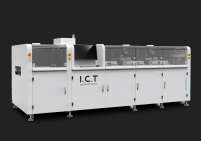
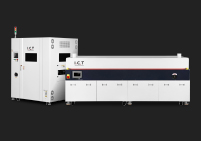
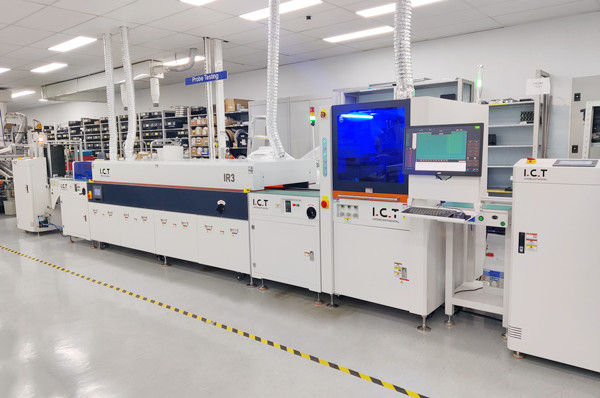
I.C.T's wave soldering machines exemplify modern advancements. They incorporate energy-saving designs, ensuring efficiency without compromising performance. By utilizing advanced temperature control systems, these machines minimize energy consumption while maintaining high-quality solder joints.
Selective soldering is a more precise method tailored for complex PCB assemblies. Unlike wave soldering, it targets specific joints, allowing for greater control over the soldering process. This technique is particularly beneficial for mixed technology boards, where both surface mount and through-hole components coexist.
Key Features of Selective Soldering:
● Precision: It applies solder only where needed, preventing damage to nearby components.
● Flexibility: Ideal for low to medium production runs, it adapts easily to different PCB designs.
● Reduced Thermal Stress: By heating only specific areas, it minimizes the risk of overheating sensitive components.
Typical Applications:
● Automotive electronics, where reliability is critical.
● Medical devices, which require strict quality standards.
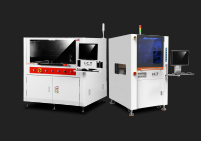
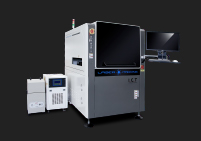
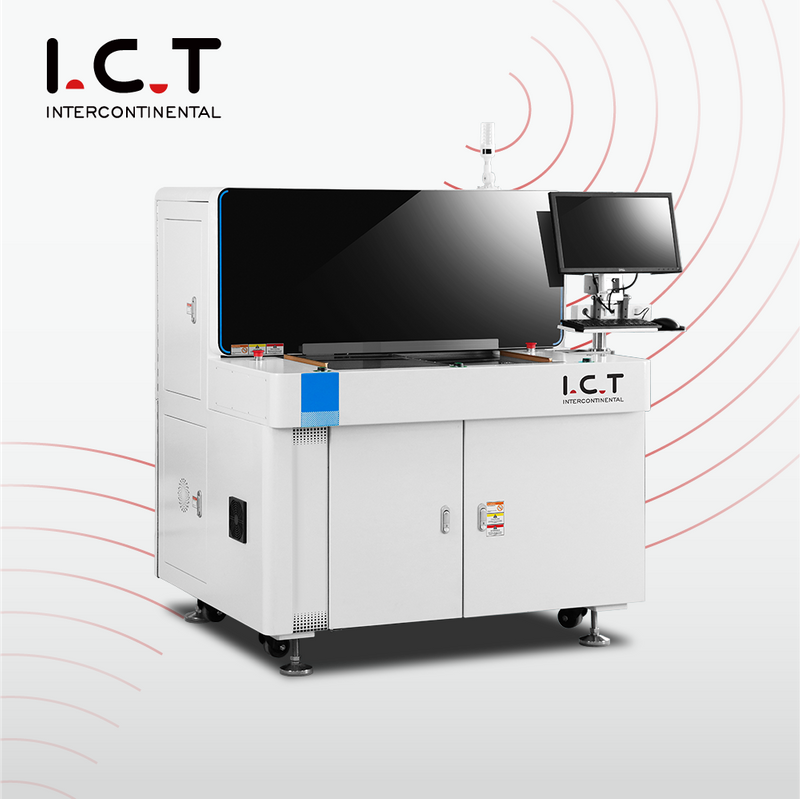
I.C.T's SS430 Automatic Selective Wave Soldering Machine stands out for its advanced capabilities. It allows for precise soldering of individual joints, enhancing the overall quality of complex assemblies. This machine supports multiple soldering profiles, making it versatile for varying production needs.
Feature | Wave Soldering | Selective Soldering |
Production Volume | High throughput for large batches | Best for low to medium volume |
Precision | General soldering for all joints | Targets specific joints for accuracy |
Thermal Impact | Higher risk of thermal damage | Minimizes thermal stress on components |
Cost Efficiency | Lower initial investment | Higher upfront cost, but saves on materials |
Flexibility | Less adaptable to design changes | Highly flexible for various designs |
In the ongoing debate of wave vs. selective soldering, understanding these processes is key. Each method has its strengths and weaknesses, making them suitable for different applications. Whether you need the speed of wave soldering or the precision of selective soldering, choosing the right method can significantly influence your PCB assembly success.
Wave Soldering Process:
1. Flux Application: The process begins with the PCB being coated with flux. This crucial step prepares the surfaces by enhancing solder adhesion and preventing oxidation. Flux application can be done through various methods, such as spraying or dipping.
2. Preheating: After flux application, the board undergoes preheating. This step is essential as it reduces thermal shock and ensures that both the components and the PCB reach a suitable temperature for soldering. Proper preheating helps achieve optimal solder flow and joint quality.
3. Solder Wave Contact: The final step involves the PCB passing over a wave of molten solder. This wave creates a strong connection by making contact with the exposed leads of components. The solder wave is carefully controlled to ensure consistent coverage and minimize defects.
Selective Soldering Process:
1. Targeted Flux Application: Selective soldering starts with applying flux only to the specific joints that require soldering. This targeted application minimizes waste and ensures that only the necessary areas are treated, which is particularly beneficial for complex assemblies.
2. Localized Preheating: Unlike wave soldering, selective soldering employs localized preheating. The machine heats only the areas where solder will be applied, protecting adjacent components from excessive heat. This approach is especially important for sensitive electronic parts that could be damaged by high temperatures.
3. Solder Application: After preheating, solder is applied selectively to the preheated joints. This method ensures that connections are made accurately, resulting in clean and reliable solder joints. The precision of selective soldering reduces the likelihood of defects, making it ideal for high-reliability applications.
● High Throughput: One of the most significant advantages of wave soldering is its ability to handle high-volume production. It can process multiple boards simultaneously, making it ideal for manufacturers with large-scale operations. This efficiency translates to reduced cycle times and increased productivity.
● Cost-Effectiveness: Wave soldering is particularly economical for simple, through-hole designs. By soldering many joints at once, manufacturers can significantly lower labor costs and material waste. This method is often the go-to choice for mass production runs, where speed and cost savings are critical.
● Proven Technology: As a time-tested method, wave soldering has established processes that ensure consistent quality. Many industries, including consumer electronics and industrial automation, rely on this technique for its reliability and effectiveness in creating durable solder joints.
● Precision: Selective soldering excels in targeting specific joints, which minimizes thermal stress on sensitive components. This precision is crucial in applications where the integrity of individual connections is paramount, such as in automotive and medical devices.
● Flexibility: This method is highly adaptable, making it suitable for mixed technology PCBs. It can efficiently handle high-density layouts that incorporate both surface mount and through-hole components. This flexibility allows manufacturers to accommodate various designs without significant reconfiguration.
● Complex Designs: Selective soldering is better suited for intricate designs, ensuring that critical connections are made without risking damage to surrounding areas. This capability is essential for high-reliability applications where defects can lead to significant failures.
● Limited Control: One notable downside is the limited control over individual solder joints. In complex layouts, this lack of precision can lead to potential defects, such as insufficient solder coverage or solder bridging.
● Risk of Solder Bridging: In densely populated designs, there's a higher risk of solder bridging, where excess solder connects adjacent leads. This can compromise the reliability of the PCB and lead to malfunctioning devices.
● Heat Sensitivity: Wave soldering may not be suitable for heat-sensitive components. Careful design considerations must be made to avoid damage, particularly for components that are sensitive to high temperatures.
● Slower Process: Compared to wave soldering, selective soldering is generally slower. This slower pace can impact throughput, especially in high-volume environments where speed is a priority.
● Higher Initial Costs: The equipment for selective soldering can be more expensive than wave soldering setups. This higher initial investment may deter some manufacturers, particularly those with tighter budgets.
● Skilled Operators Required: Selective soldering demands detailed programming and setup, which requires skilled operators. The need for expertise can increase operational costs and training time, as not all staff may be familiar with the technology.
Feature | Wave Soldering | Selective Soldering |
Process Type | Continuous wave | Targeted application |
Production Volume | High throughput | Lower to medium volume |
Control Over Joints | Limited | High precision |
Cost Efficiency | Cost-effective for simple designs | Higher initial investment |
Heat Impact | Higher risk for heat-sensitive parts | Minimal thermal stress |
Understanding the key differences between wave and selective soldering is essential for making informed decisions in PCB assembly. Each method has unique advantages and limitations that can significantly impact efficiency, quality, and overall production costs. Whether you prioritize speed or precision, knowing these differences will guide you to the right choice for your specific needs.

When deciding between wave vs. selective soldering, several factors come into play. Each element can significantly influence your choice, ensuring you select the best method for your PCB assembly needs.
The scale of production directly affects the soldering method you choose.
● High-Volume Production: If you’re producing large batches, wave soldering is typically the way to go. It can handle hundreds of boards per hour, making it efficient and cost-effective.
● Low-to-Medium Volume Production: For smaller runs, selective soldering shines. It allows for flexibility and precision, making it ideal for custom or specialized projects.
The types of components on your PCB also play a crucial role in your decision.
● Through-Hole Components: If your design primarily features through-hole components, wave soldering is often more suitable. It efficiently handles multiple joints at once.
● Surface Mount Technology (SMT): Selective soldering is better for boards with SMT components. It allows for targeted soldering, which minimizes the risk of damaging sensitive parts.
The complexity of your PCB layout can make a big difference in your soldering choice.
● Simple Designs: For straightforward, traditional designs, wave soldering is effective and efficient. It simplifies the process and reduces costs.
● Complex Designs: If your PCB layout is intricate, selective soldering is the better option. It can precisely solder specific joints, ensuring high reliability and reducing the chances of defects.
Financial implications are always a consideration when choosing a soldering method.
● Initial Investment: Wave soldering equipment tends to have a lower initial cost, making it appealing for manufacturers on a budget.
● Long-Term Costs: Selective soldering may require a higher upfront investment, but it can lead to long-term savings. The precision of selective soldering often results in fewer rework costs and higher quality, which can save money in the long run.
Understanding the ideal scenarios for each method can guide your decision-making process.
● Consumer Electronics: Wave soldering is perfect for high-volume consumer electronics where speed and efficiency are essential. It works well for products like televisions and audio equipment.
● Large Batches: Any situation requiring the assembly of numerous identical boards benefits from wave soldering's high throughput.
● Automotive Applications: In the automotive industry, reliability is critical. Selective soldering provides the precision needed for complex electronic systems.
● Medical Devices: In medical applications, where safety and reliability are paramount, selective soldering ensures that sensitive components are protected from excess heat.
● High-Reliability Requirements: For any application where defects can lead to significant failures, selective soldering is the preferred method. It minimizes the risk of errors and enhances overall product quality.
Factor | Wave Soldering | Selective Soldering |
Production Volume | Best for high-volume production | Ideal for low-to-medium volume |
Component Types | Efficient for through-hole components | Better for surface mount technology |
Design Complexity | Suitable for simple designs | Perfect for complex layouts |
Cost Considerations | Lower initial investment | Higher upfront cost, but long-term savings |
By considering these factors, you can make an informed decision on whether to use wave or selective soldering for your PCB assembly. Each method has its strengths and weaknesses, and understanding them helps ensure that your production meets both quality and efficiency standards.
This article explored the differences between wave vs. selective soldering. We discussed factors like production volume, component types, and design complexity.
Choosing the right soldering method is crucial for successful PCB assembly.
Consider your specific needs carefully. Don’t hesitate to seek expert advice to ensure optimal results in your projects.
A: Wave soldering applies solder to multiple joints simultaneously, while selective soldering targets specific joints for precision.
A: Selective soldering is better for high-density designs, as it minimizes thermal stress and allows for targeted applications.
A: Yes, many manufacturers use both methods to optimize efficiency and quality based on specific project requirements.
A: Implement strict quality control measures, including regular inspections and using advanced soldering equipment.
A: Wave soldering is ideal for consumer electronics, while selective soldering is preferred in automotive and medical industries.