English
Views: 0 Author: Site Editor Publish Time: 2026-05-12 Origin: Site
In the fast-paced world of electronics manufacturing, every fraction of a percentage in First Pass Yield (FPY) can make or break profitability. Yet, many manufacturers struggle with one of the most persistent issues: poor solder paste printing. Shockingly, this problem accounts for up to 70% of SMT defects, leading to costly rework and production delays. But what if there was a way to tackle this challenge head-on?
The key lies in achieving a seamless integration between SMT printers and Solder Paste Inspection (SPI) systems. When properly matched, these systems can significantly reduce defects, boost efficiency, and drive FPY rates well above 95%. In this article, we dive into how the powerful synergy between printers and SPI can transform your production line—helping you achieve superior quality, streamline operations, and maximize cost savings.
We’ll walk you through the critical features of both SMT printers and SPI systems, exploring how they work together to optimize every aspect of your soldering process. From real-time quality control and closed-loop adjustments to proven case studies of industry leaders, we’ll demonstrate how this technology partnership delivers tangible results. Ready to learn how you can unlock a higher FPY and elevate your production? Let’s dive in.
Many SMT manufacturers focus heavily on pick-and-place accuracy, reflow profiles, or AOI inspection when troubleshooting quality problems. However, the real issue often starts much earlier — at the solder paste printing stage.
Industry studies show that 60–70% of SMT defects originate from poor solder paste deposition, while some high-mix or fine-pitch applications may see this number climb even higher. Problems such as insufficient paste, excessive paste, bridging, offset printing, and inconsistent volume can all create downstream failures that become expensive to detect and repair later in production.
Once defects pass the printing stage, they affect placement quality, solder joint reliability, and final product stability throughout the entire SMT process.
A low First Pass Yield does not only create quality problems. It directly impacts production efficiency, labor utilization, delivery schedules, and overall profitability.
When FPY drops, operators spend more time handling alarms, inspecting defects, performing rework, and restarting production. In high-volume SMT manufacturing, even a small reduction in yield can translate into thousands of dollars in hidden costs every month.
Many factories mistakenly treat rework as a normal part of production. In reality, repeated defects usually indicate that solder paste printing is unstable or that the printer and SPI system are not working together effectively.
Without proper feedback and process control, defects continue to repeat across entire batches before operators notice the problem.
In actual SMT production environments, manufacturers often struggle with:
Inconsistent solder paste volume between boards
Frequent stencil cleaning and clogging issues
Alignment drift during long production runs
Process instability caused by temperature and humidity changes
Increasing defect rates on fine-pitch and miniature components
Frequent line stoppages that reduce throughput
As electronic products become smaller and more complex, process tolerances continue to tighten. Traditional manual adjustments are no longer sufficient for maintaining stable quality.
This is why more manufacturers are turning to closed-loop SMT printer and SPI integration — not simply to inspect defects, but to prevent them before they happen.
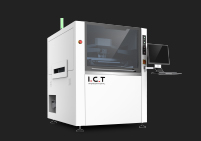
Modern SMT solder paste printers are no longer simple printing machines. They have become one of the most critical process control points in the entire SMT production line.
Today’s high-precision printers use advanced vision alignment systems capable of extremely accurate PCB and stencil positioning. Combined with programmable squeegee pressure, speed, and angle control, these systems help manufacturers maintain highly consistent solder paste deposition across every board.
For more detailed guidance on choosing the right solder paste printing machine for your SMT line, visit our article on How to Choose Solder Paste Printing Machine for SMT Line.
For manufacturers producing fine-pitch components, miniature devices, or high-density PCBs, even small printing variations can lead to solder bridging, insufficient solder joints, or component defects later in the process. Precise print control significantly reduces these risks before placement and reflow even begin.
Stable and repeatable printing performance is especially important in high-volume production environments, where minor deviations can quickly turn into large-scale quality issues.
One of the most overlooked causes of solder paste printing defects is improper stencil release behavior.
Modern SMT printers now incorporate programmable stencil separation speeds and intelligent pressure management technologies to ensure smooth and clean solder paste release from stencil apertures. These features help minimize common issues such as paste smearing, insufficient filling, and inconsistent paste transfer.
This becomes increasingly important for ultra-fine pitch components, micro-BGA packages, and complex multilayer PCB designs where process tolerances are extremely tight.
By maintaining stable paste release consistency, manufacturers can significantly reduce printing-related defects and improve downstream process stability. In many cases, improving stencil separation control alone can noticeably reduce rework and inspection failures.
As electronic products continue to evolve, SMT manufacturers are facing growing pressure to handle both high-mix production and increasingly smaller component packages.
Modern SMT printers are designed to support rapid product changeovers through intelligent recipe management, automatic board width adjustment, solder paste management systems, and automated support tooling. These capabilities allow manufacturers to switch between different PCB types quickly while maintaining stable print quality.
For factories running multiple product models on the same line, reducing changeover time is just as important as maintaining printing accuracy.
At the same time, fine-pitch and miniature components demand tighter process control than ever before. Consistent solder paste volume and accurate alignment have become essential requirements for achieving high first pass yield.
This is why modern SMT printers must work closely with SPI systems — not only to print accurately, but also to continuously verify and optimize print performance throughout production.
In the world of SMT production, achieving precision in solder paste application is crucial to ensure reliable solder joints. 3D Solder Paste Inspection (SPI) systems are a game changer in this process. By using multi-angle cameras and laser or structured light technology, 3D SPI can measure paste volume, height, area, and alignment with micron-level accuracy.
Unlike traditional 2D SPI systems, which only provide surface-level information, 3D SPI delivers true volumetric data. This is essential for detecting small variations in paste deposit that could cause defects in solder joints later in the process. For manufacturers dealing with tight tolerances and miniaturized components, 3D SPI offers a much more reliable and precise way to monitor paste quality before the component placement stage.
Traditional methods like 2D SPI or manual inspection often miss critical defects that affect final product quality. 3D SPI, however, can detect a wider range of issues such as insufficient or excess paste, bridging, misalignment, and irregular paste shapes — problems that might go unnoticed until they cause production delays or rework.
The advantage of 3D SPI goes beyond just defect detection; it enables statistical process control (SPC), offering detailed trend data that allows manufacturers to make real-time adjustments to the printing process. With this capability, SPI systems do not just identify defects but also help monitor trends, reducing variation in the printing process and ensuring more consistent results.
The key to unlocking the full potential of SPI lies in early detection. By placing the SPI system immediately after the solder paste printer, manufacturers can catch defects in real time, before components are even placed on the board. This immediate feedback loop prevents defective boards from moving further down the production line, which would otherwise lead to costly rework, production delays, and wasted resources.
In a high-volume SMT line, detecting and addressing issues early can significantly reduce downtime and increase throughput. With inline SPI, manufacturers can maintain smooth, uninterrupted production, while ensuring that only high-quality boards proceed to the next stage.
The real value of SMT printer and SPI matching lies in the seamless integration of both systems. To achieve optimal performance, it's essential that the hardware interfaces and software platforms are compatible. This means having shared fiducial systems, synchronized conveyor speeds, and the ability to communicate smoothly between the printer and SPI system.
Modern solutions have been designed to support plug-and-play integration with Manufacturing Execution Systems (MES). This allows full traceability and ensures that every step of the process is accurately documented, from solder paste printing to inspection. The ease of integration means manufacturers can upgrade their lines without major disruptions, ensuring quicker implementation and less downtime.
A key benefit of matching SMT printers with SPI systems is the real-time feedback loop that allows for automatic corrections. The systems exchange data via standard communication protocols, enabling bidirectional communication between the printer and SPI system.
Whenever SPI detects a problem — whether it's a paste deposition issue, alignment error, or other defect — this information is immediately fed back to the printer, which can make adjustments in real time. This creates a responsive and stable production process, where issues are resolved before they lead to defects, significantly improving First Pass Yield (FPY) and reducing scrap rates.
By reducing manual interventions and allowing for quick adjustments, manufacturers not only improve quality but also increase production efficiency.
To get the most out of printer and SPI integration, it's essential to follow best practices in the setup and calibration of the systems. Optimal setups include:
Proper guarding to prevent issues like stencil misalignment or paste smearing.
Routine calibration of both the printer and SPI systems to ensure consistent accuracy.
Clear pass/fail thresholds tailored to specific product requirements, ensuring that any deviation from the target parameters is quickly flagged and corrected.
These practices ensure that the integrated systems work smoothly and that potential defects are caught early in the process, saving time and resources that would otherwise be spent on rework.
In today’s high-volume production environments, consistency is key. A closed-loop control system powered by real-time SPI feedback automatically adjusts critical print parameters such as squeegee pressure, speed, alignment offsets, and cleaning cycles.
These adjustments are made dynamically based on real-time data from the SPI system, ensuring that the printer maintains optimal performance even during long production runs or when dealing with high-mix products. By constantly fine-tuning the process, the closed-loop system helps eliminate variations that could lead to defects, thus ensuring consistent quality from the first board to the last.
For manufacturers, this means fewer defects, higher First Pass Yield (FPY), and reduced scrap—all of which contribute to lower production costs and fewer interruptions on the line.
One of the standout benefits of closed-loop control is its ability to adjust print parameters in real time based on SPI feedback. For instance, when SPI detects low paste volume trends, the system can automatically increase the pressure or slow down the print speed to compensate, ensuring that the paste application remains consistent across all boards.
Similarly, alignment offsets are automatically corrected when detected, keeping the process within tight tolerances and preventing costly misalignments. These automatic adjustments not only help maintain production quality but also reduce the need for manual checks, further improving overall efficiency.
By removing the need for frequent manual adjustments, closed-loop systems keep production flowing smoothly, minimizing downtime and increasing the throughput of the line.
In traditional SMT production lines, operators are often required to manually adjust machine settings, perform troubleshooting, and monitor the printing process for any inconsistencies. This not only increases the likelihood of human error but also takes up valuable time that could be spent on more strategic tasks.
With intelligent automation powered by closed-loop control, the need for operator intervention is greatly reduced. The system automatically handles adjustments, ensuring the process runs smoothly without the constant oversight of skilled operators. This not only frees up staff for more high-value tasks, such as process improvement and quality control, but it also reduces variability and enhances overall line efficiency.
By minimizing human dependency and reducing errors, manufacturers can significantly lower operating costs, while also achieving more consistent and reliable results on the production line.
When the SMT printer and SPI systems are properly integrated, manufacturers can see a dramatic improvement in First Pass Yield (FPY). In many documented cases, FPY has been increased from 85% to 98%+. More importantly, defects that would have escaped detection in traditional processes are reduced by 70-85%, leading to a significant drop in rework and defects.
These numbers are not just theoretical; they reflect real-world improvements in production lines where printer-SPI integration has been implemented, directly translating into better product quality and higher yield rates.
One of the biggest challenges in SMT production is dealing with rework and scrap, which eat into profits and slow down production. With early defect detection through the seamless integration of the printer and SPI system, rework rates are drastically reduced. Defects are caught before they propagate further down the line, preventing them from turning into costly problems.
This early detection also leads to faster throughput, as the production process becomes more stable and predictable. With fewer interruptions for defect handling, the overall cycle time is shortened, allowing manufacturers to produce more boards in less time, increasing output and meeting tight delivery schedules more easily.
While the initial investment in integrating SMT printers with SPI systems may seem significant, the return on investment (ROI) is typically realized within 6 to 18 months. This ROI comes from several sources:
Reduced material waste: With fewer defects, less solder paste and components are wasted.
Labor savings: Automation through closed-loop control and real-time feedback reduces manual intervention, allowing operators to focus on higher-value tasks.
Fewer quality issues: Consistent quality and reduced defects mean fewer costly rework cycles and better overall product reliability.
In the long run, the savings from these improvements far outweigh the upfront costs, making it a worthwhile investment for any manufacturer looking to enhance efficiency and profitability.
In the competitive world of consumer electronics, manufacturers face the constant pressure of meeting high production demands while maintaining stringent quality standards. One such manufacturer struggled with low First Pass Yield (FPY) of just 85%, which resulted in frequent production interruptions, high rework costs, and missed delivery deadlines.
By implementing closed-loop printer-SPI integration, they were able to optimize their printing process in real-time, automatically adjusting parameters based on real-time feedback from the SPI system. As a result, their FPY soared to 98%+, and defect escapes were reduced by over 70%. The integrated system reduced the need for manual adjustments, minimized downtime, and allowed the factory to maintain consistent high-volume output with minimal operator intervention.
This transformation significantly improved the manufacturer’s bottom line, reducing scrap, rework, and labor costs, while also boosting customer satisfaction with on-time deliveries.
In industries like automotive and medical devices, the stakes are higher due to the strict reliability and quality standards required for safety-critical applications. One prominent automotive parts manufacturer struggled with high defect rates that led to frequent field failures and costly product recalls.
To address this, they integrated SMT printer and SPI systems that continuously monitored and adjusted solder paste deposition. The result was a near-zero defect rate, with a dramatic reduction in field failures. This closed-loop system helped them meet the rigorous standards demanded by their clients, all while minimizing costly defects and warranty claims.
For the medical device manufacturer, the integration helped them meet ISO 13485 compliance, where precision and reliability are critical. By maintaining tighter control over the printing process and ensuring perfect paste alignment, the company was able to deliver products with exceptional quality, enhancing their reputation in a highly regulated industry.
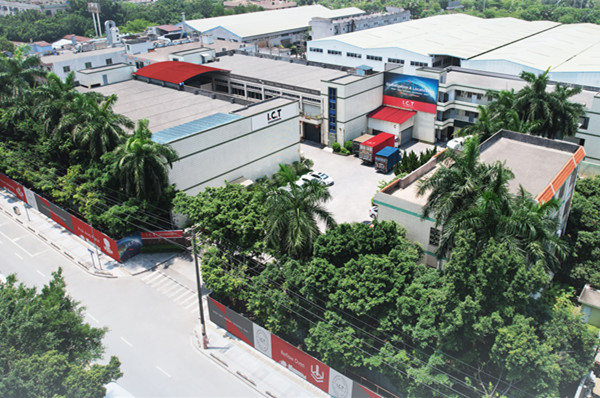
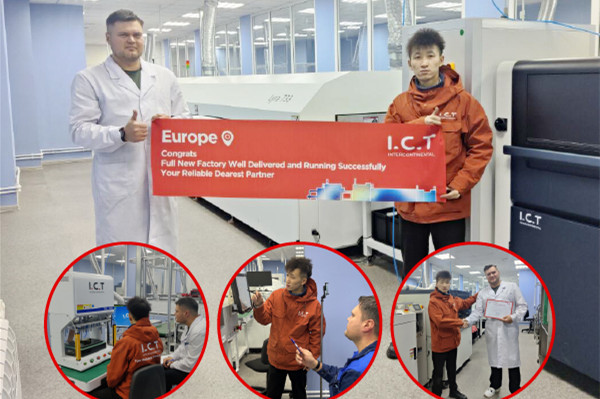
At I.C.T, we provide a comprehensive one-stop SMT solution designed to integrate high-precision solder paste printers with advanced 3D SPI systems. One of our customers, a leading electronics manufacturer, was struggling with unstable production yields and high defect rates on their existing lines.
By implementing I.C.T’s integrated printer-SPI systems, we provided not only the right equipment but also expert engineering support to optimize the entire production line. The seamless integration allowed the customer to quickly identify and resolve issues in real time, reducing defects, improving First Pass Yield (FPY), and accelerating production throughput.
Our customized solutions helped the customer achieve stable, high-yield production while reducing downtime, labor costs, and the need for rework. With I.C.T’s support, they experienced a significant improvement in both product quality and operational efficiency, ultimately driving better business results.
Achieving consistent quality in SMT production starts with the fundamentals: stencil design, solder paste management, and environmental controls. A well-designed stencil ensures that the right amount of paste is applied to each pad, reducing the risk of defects such as insufficient solder or bridging.
Effective solder paste management, including proper storage, handling, and viscosity control, helps maintain consistent paste flow during printing. Temperature and humidity controls are equally important, as they ensure that paste and components are kept within optimal conditions, preventing issues like paste drying or contamination.
When these elements are carefully controlled, you can significantly reduce defects and improve First Pass Yield (FPY), leading to a smoother production process and fewer reworks.
To keep your SMT production line running smoothly, it’s crucial to implement a routine of calibration, preventive maintenance, and operator training.
Calibration ensures that equipment remains accurate and operates within specified tolerances, reducing the risk of defects caused by misalignment or improper settings.
Preventive maintenance helps avoid unexpected downtime and expensive repairs by regularly checking equipment, cleaning parts, and replacing worn components.
Ongoing operator training keeps your team updated on best practices and new technologies, ensuring that they are always operating the equipment to its full potential.
By staying proactive with these strategies, manufacturers can maintain long-term reliability, reduce the risk of production disruptions, and improve overall line efficiency.
One of the biggest advantages of integrating SPI systems into your production line is the ability to monitor trends and make continuous improvements in the process.
Rather than simply using SPI to make pass/fail decisions, manufacturers should leverage the rich data SPI provides for statistical process control (SPC). This allows for real-time adjustments based on performance trends, helping to identify early signs of potential issues and prevent defects before they occur.
By using SPI data for continuous optimization, you can refine your process over time, ensuring that your production line not only meets quality standards but also adapts to changing demands and improves efficiency continually.
This ongoing process improvement leads to higher yields, reduced waste, and ultimately, lower production costs.
As SMT production becomes more complex, traditional manual adjustments are no longer fast enough to maintain stable quality.
The next generation of SMT printer and SPI systems is increasingly powered by AI-driven analysis and predictive algorithms. Instead of waiting for defects to appear, future systems will predict process drift before it affects production.
This allows manufacturers to move from reactive troubleshooting to proactive process control.
At the same time, Industry 4.0 integration is enabling printers, SPI, AOI, MES, and factory management systems to share data continuously across the entire production line. The result is faster decision-making, reduced downtime, and more stable manufacturing performance.
For many high-end electronics manufacturers, this level of intelligent automation is quickly becoming a competitive requirement rather than an optional upgrade.
Electronic products continue to become smaller, thinner, and more densely populated with components.
Packages such as 01005, micro-BGA, and ultra-fine-pitch devices require extremely precise solder paste deposition and inspection capabilities. Even microscopic variations in paste volume or alignment can lead to major reliability issues.
As process windows continue to shrink, the margin for manual correction becomes smaller as well.
This is why accurate printer-SPI matching is becoming increasingly important for manufacturers working in consumer electronics, automotive electronics, medical devices, communication equipment, and other high-reliability industries.
In the past, many manufacturers accepted rework as a normal part of SMT production.
Today, leading factories are taking a different approach. Instead of fixing defects after they happen, they focus on preventing defects at the source through real-time monitoring, closed-loop control, and intelligent process optimization.
The combination of SMT printers and SPI systems is playing a central role in this transformation.
As smart factories continue to evolve, achieving stable 99%+ First Pass Yield is becoming an increasingly realistic target for manufacturers that invest in integrated process control technologies.
In modern SMT manufacturing, solder paste printing is no longer an isolated process. It has become one of the most critical factors affecting product quality, production efficiency, and overall manufacturing cost.
Simply investing in a high-precision printer or an advanced SPI system is not enough. The real improvement comes from how well these systems work together.
When SMT printers and SPI systems are properly matched, manufacturers gain more than better inspection capability. They achieve:
More stable printing performance
Faster problem detection
Reduced rework and material waste
Lower operator dependency
Higher production throughput
More consistent First Pass Yield
As product complexity continues to increase, closed-loop printer-SPI integration is rapidly becoming a standard requirement for high-quality SMT production lines.
For manufacturers aiming to improve yield, reduce defects, and build a more stable production process, investing in proper printer and SPI matching is no longer just a process upgrade — it is a long-term competitive advantage.
What is the ideal placement for SPI in an SMT line?
The best placement for SPI is immediately after the solder paste printer and before the pick-and-place machine. This placement allows for early detection of printing issues, ensuring that defects are caught and corrected before component placement, which maximizes real-time feedback benefits and reduces defects downstream.
How much can Printer-SPI matching improve first pass yield?
Printer-SPI matching can improve First Pass Yield (FPY) by 10-20 percentage points. Many lines increase FPY from the low 80s to mid-to-high 90s. The improvement depends on factors like initial performance, product complexity, and integration quality, making real-time adjustments and feedback crucial for sustained improvement.
What are the main challenges when integrating new SPI with existing printers?
Common challenges in integrating SPI with existing printers include communication protocol compatibility, mechanical layout adjustments, and calibration of inspection thresholds. Working with experienced providers like I.C.T ensures smoother integration, overcoming these hurdles for a seamless transition and optimal performance.
How often should SPI systems be calibrated?
SPI systems should be verified daily using reference standards to ensure accuracy. Full calibration should follow the manufacturer’s guidelines, typically on a weekly or monthly basis. Regular calibration and maintenance help prevent performance drift and ensure consistent quality in the long term.
Can small to medium manufacturers benefit from this technology?
Yes, small to medium-sized manufacturers can greatly benefit from printer-SPI integration. Scalable solutions offer a strong ROI, making advanced technology accessible for smaller operations. This integration helps enhance product quality, reduce defects, and improve competitiveness in a cost-effective way.