English
  |
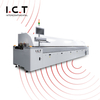


I.C.T-LV733
I.C.T
| Quantity: | |
|---|---|
| Engineering-Driven Vacuum Soldering Architecture
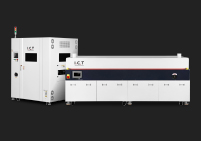
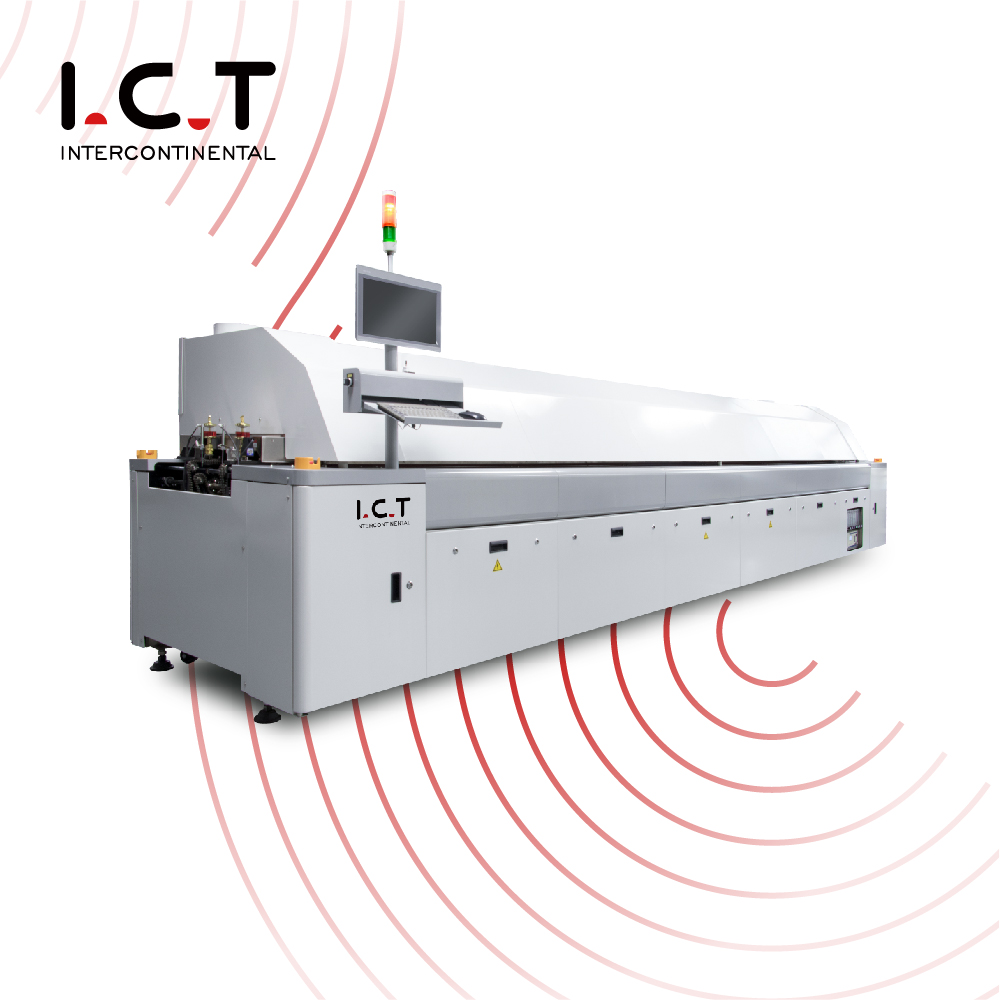
In modern PCB manufacturing, solder joint reliability is often limited by trapped gas and unstable heating behavior. The Vacuum Reflow Soldering System is designed to address these process constraints by introducing controlled vacuum extraction during reflow transition stages.
Instead of focusing only on temperature control, the system manages the physical behavior of molten solder under pressure variation. This approach improves bonding consistency in SMT vacuum reflow oven and SMD vacuum reflow oven environments.
The structure supports continuous conveyor movement, making it suitable for high-volume production lines where stability is more important than single-cycle optimization. It is widely adopted in vacuum solder reflow oven applications requiring repeatable output quality.
| Feature
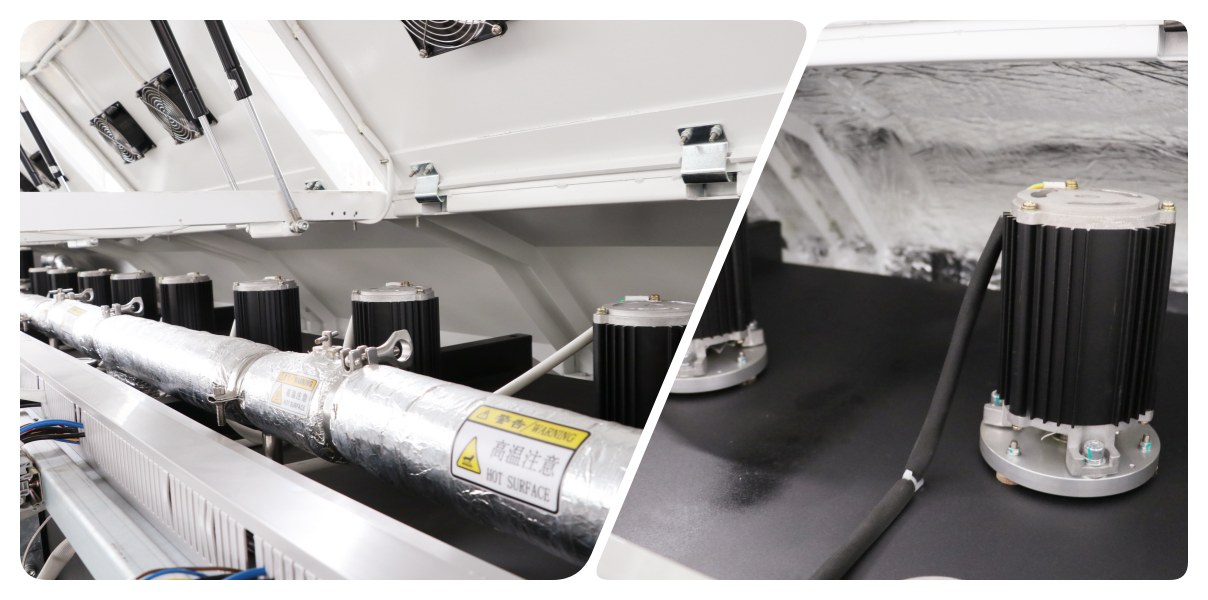
Rather than simply “removing gas,” the vacuum zone is designed as a controlled pressure transition chamber. During solder melting, trapped air naturally expands, and this system actively changes pressure conditions to guide gas escape paths.
This reduces micro-void formation in BGA and fine-pitch components. Instead of treating defects after formation, the process intervenes during phase transition, improving structural integrity for vacuum Reflow Soldering Oven Machine applications.
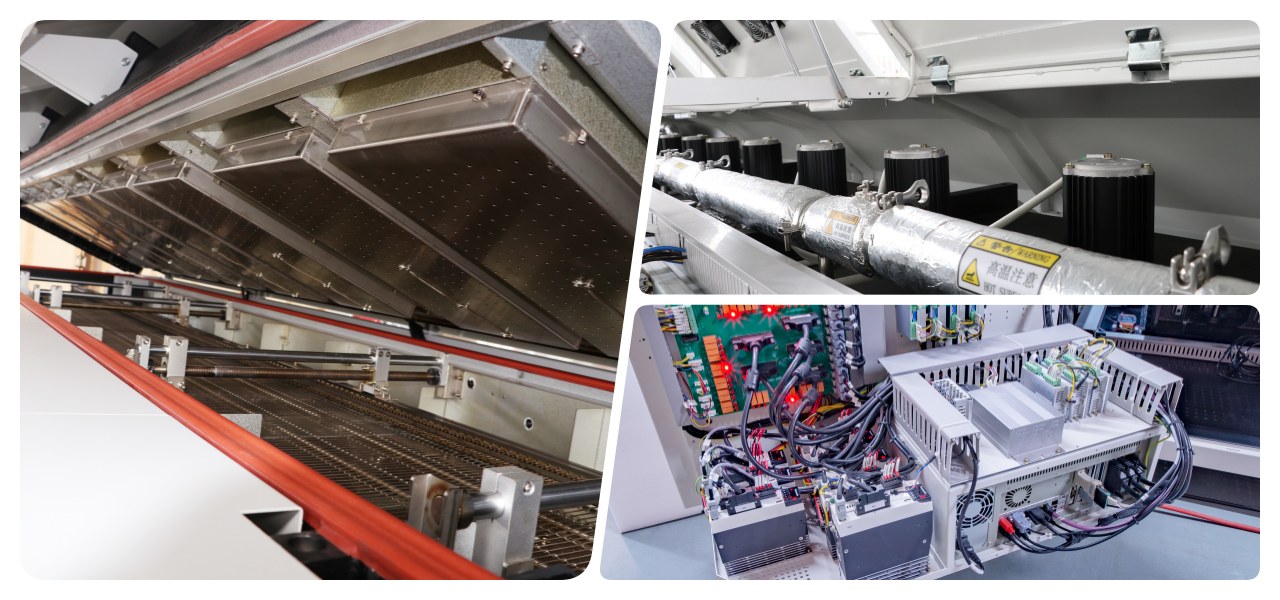
The heating system is not only a temperature generator but a thermal energy balancing framework. Heat is distributed in layered zones to avoid sudden energy peaks on dense PCB areas.
Different board regions receive adjusted airflow intensity to prevent uneven solder flow. This is especially important in SMT vacuum reflow oven production where mixed component density creates natural thermal imbalance risks.
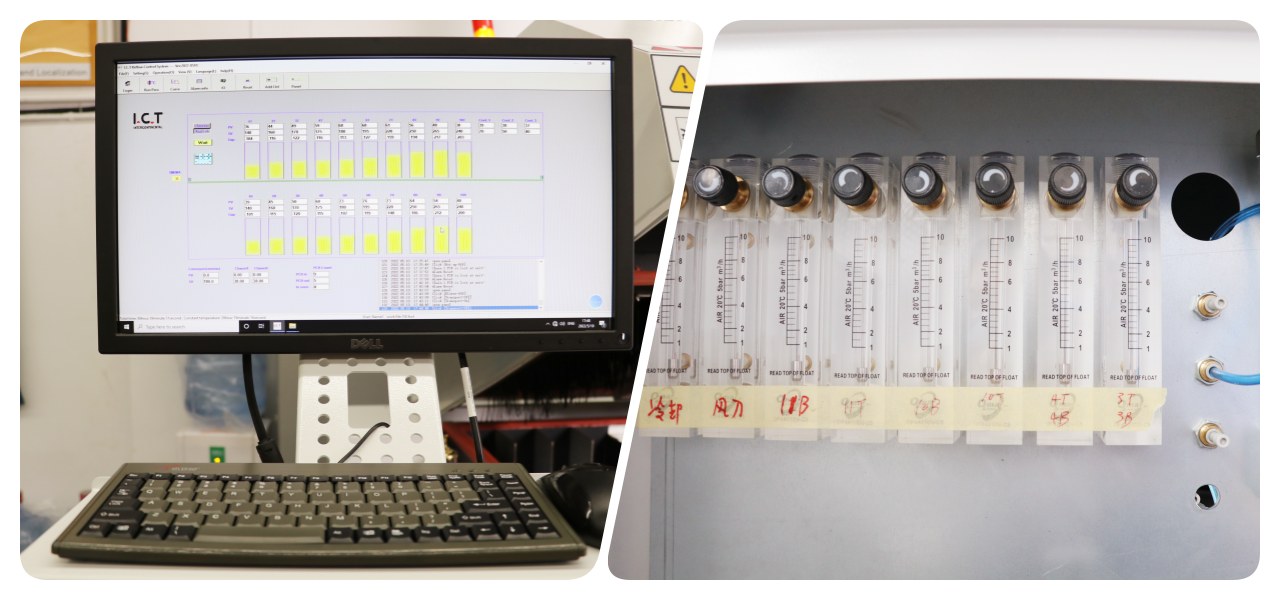
The operator interface is designed as a decision-control layer rather than a simple machine panel. Instead of manually adjusting isolated parameters, operators work with process sets that define entire production behaviors.
Vacuum timing, conveyor speed, and thermal curves are grouped into recipe logic. This reduces human variability in vacuum solder reflow oven operations and ensures consistent batch-level output across different shifts.
| Specification
| LV Series Vacuum Reflow Oven | I.C.T-LV623 | I.C.T-LV733 |
Dimensions | L6405*W1695*H1630 | L7164*W1695*H1630 |
Weight | 3000 kg | 3500 kg |
| Number of heating zone | Top 8 /Bottom 8 | Top 10 /Bottom 0 |
| Length of heating zone | 3110mm | 3892mm |
| Number of cooling zone | Top 3 /Bottom 3 | Top 3 /Bottom 3 |
| Exhaust volume requiement | 11m³/min*2 | 12m³/min*2 |
| Power | 3phase, N,PE;AC380V50/60HZ | |
| Normal power consumption | 10KW | 12KW |
| Temperature control Mode | PID close loop cont+SSR driving | |
| Conveyor system | ||
| Rails structure | Three-stage independent | |
| Max width of PCB | 150*150MM-400*400MM | |
| Range of rail width | 50mm-400mm | |
| Components height | Up 25mm/down 25mm | |
| Conveyor fixed type | Front end fixing | |
| PCB conveyor direction | Guide rail plus chain | |
| Conveyor height | 900±20mm | |
| Cooling system | ||
| Cooling method | Forced air cooling (vacuum reflow soldering) Chiller cooling (vacuum nitrogen reflow soldering) | |
| Nitrogen System | Nitrogen confined structures and pipelines, nitrogen flow meters, chillers | |
As the operating efficiency depends on the settings of the process parameters, the values reached actually can differ from the values indicated here. | ||
* I.C.T keeps working on quality and performance, specifications and appearance may be updated without particular notice. If different, please follow the new list.
| SMT Line Equipment List

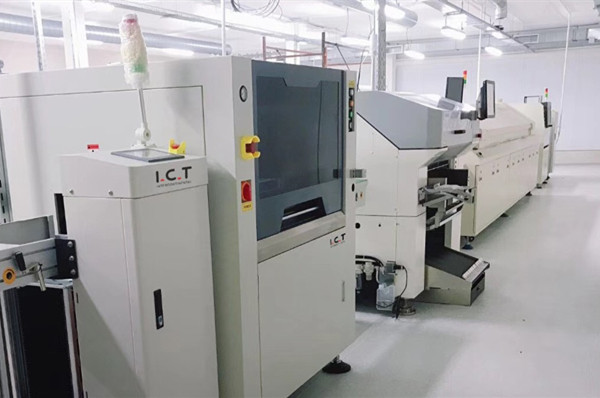
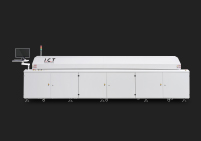
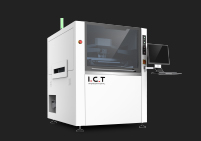
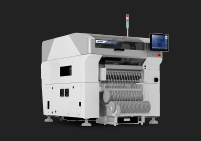
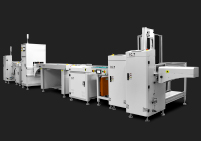
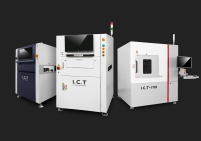
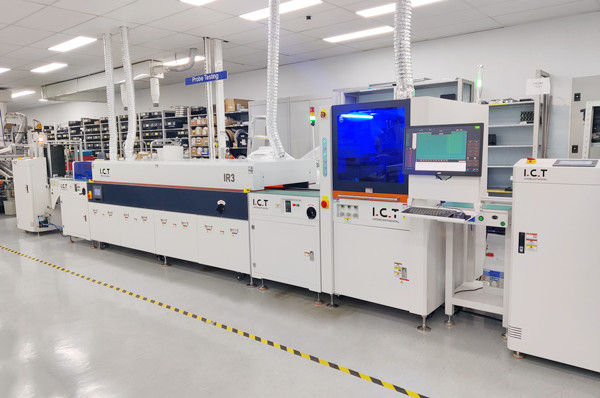
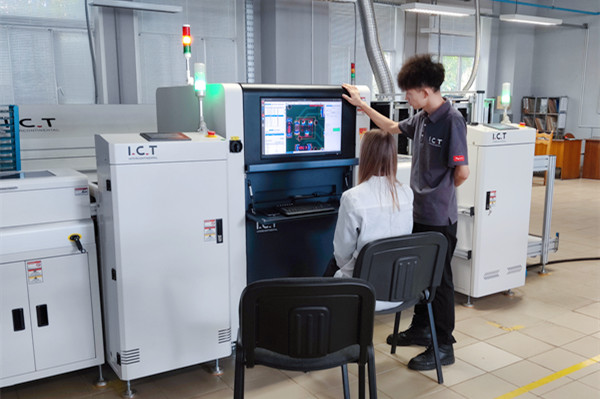
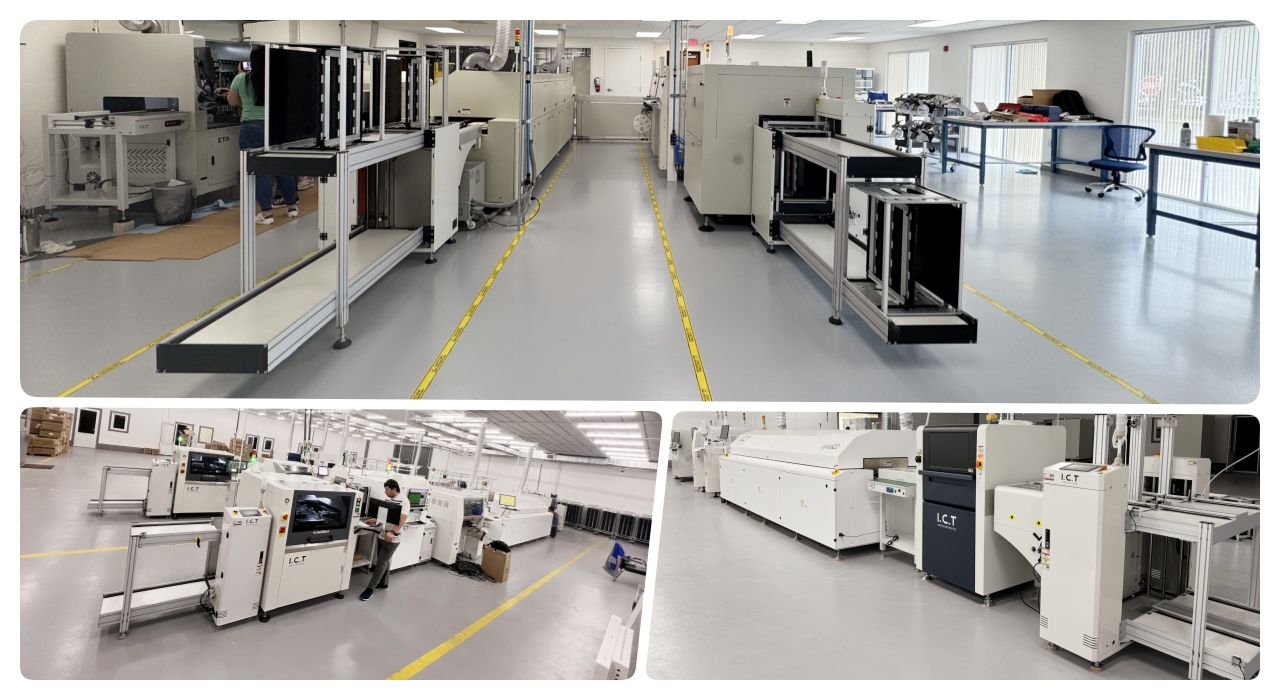
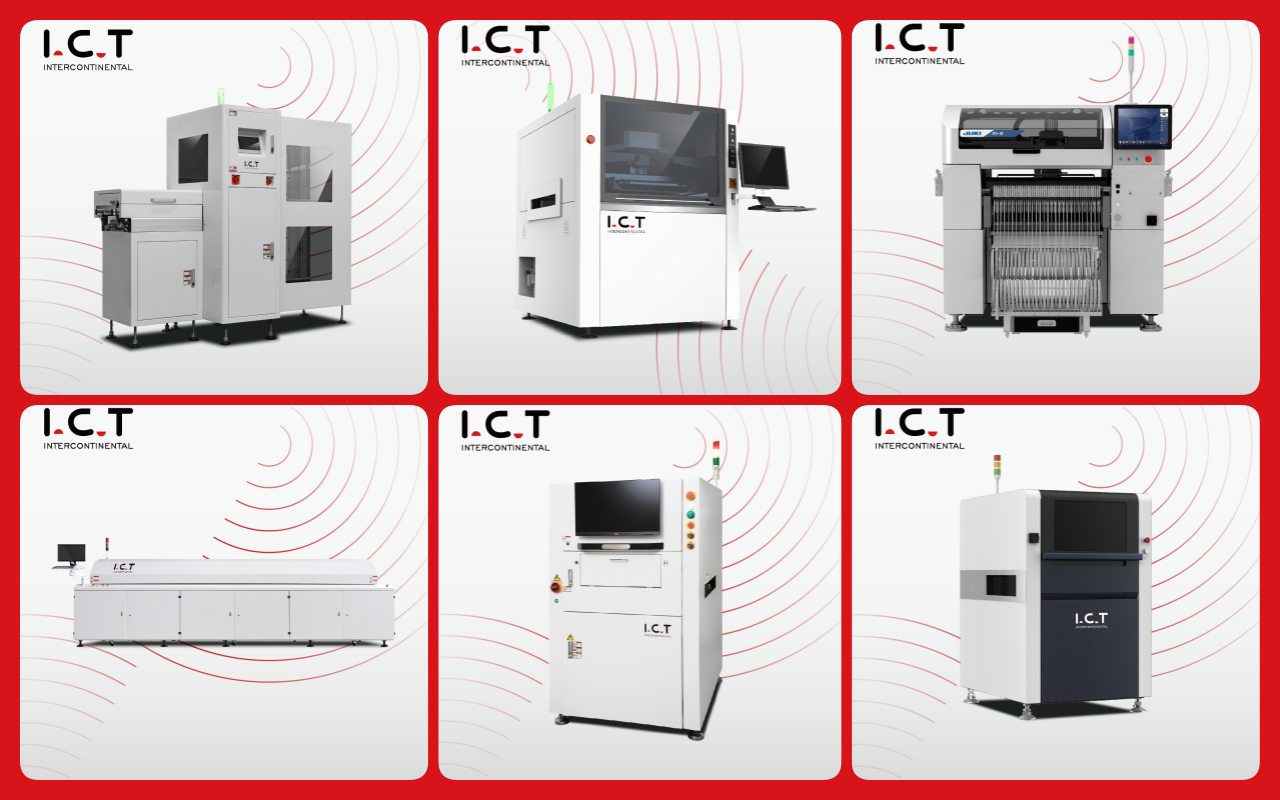
Our SMT assembly line features advanced equipment for efficient and precise PCB assembly. The fully automated SMT line includes a loader, an auto printer for accurate solder paste application, a pick-and-place machine for precise component placement, a reflow oven for reliable soldering, and an AOI system for thorough defect inspection. This High Quality PCBA Production Line ensures smooth operation, high reliability, and low-cost SMT assembly, meeting diverse industry requirements.
| Customer Success Video
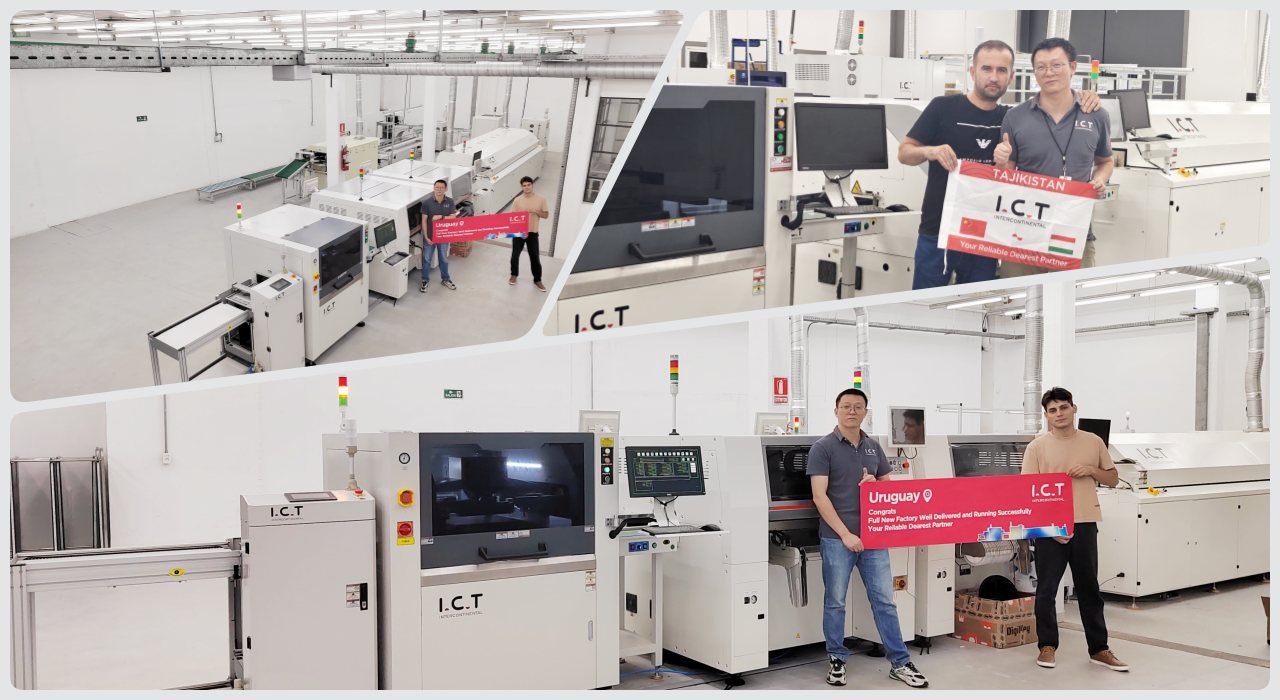
Integrated factory-level SMT and DIP deployment
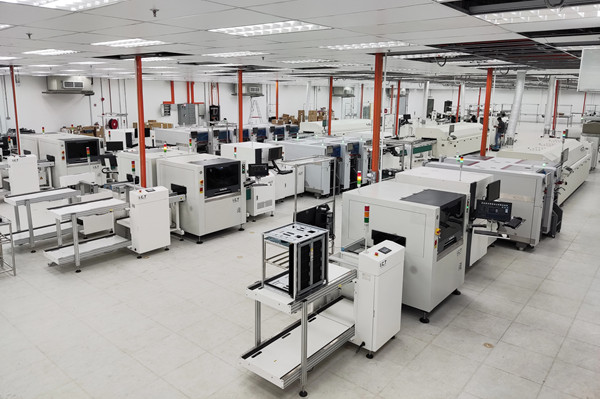
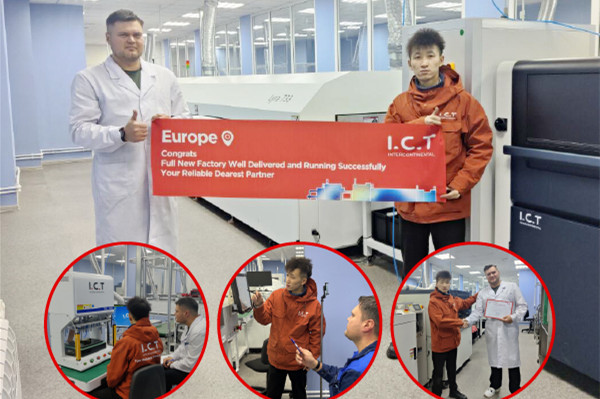
A large electronics manufacturing facility in Uzbekistan adopted I.C.T solutions for motherboard, SSD, and memory product production. The project covered full SMT and DIP line deployment from equipment layout to production validation.
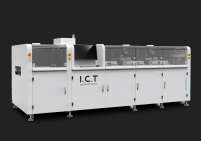
The SMT section included printing systems, multiple placement machines, inspection systems, and reflow processing equipment. The DIP section included manual insertion platforms, odd-form insertion units, and wave soldering systems.
During ramp-up, engineering teams supported parameter tuning and process stabilization. The final production phase confirmed consistent output performance and stable system coordination across the full manufacturing line.
| Global Full-Line Support
Process-oriented engineering assistance framework
Support is structured around production behavior rather than simple equipment operation. Engineers assist in defining process recipes, optimizing thermal curves, and stabilizing vacuum timing strategies.
Training focuses on real production scenarios in SMT vacuum reflow oven environments, helping operators understand how process variables affect solder quality rather than just learning button operations.
Both remote and on-site assistance are available to ensure production stability during early and mass production phases.
| Customer Praise
Operational reliability and production stability recognition
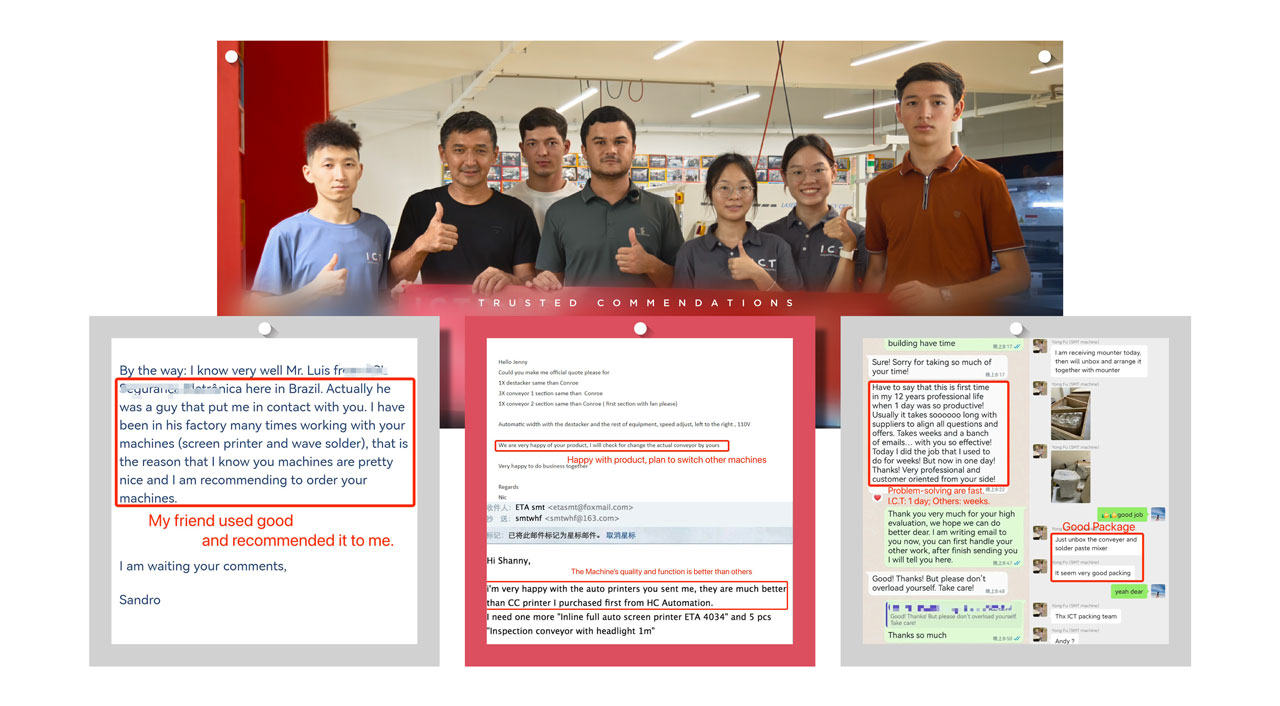
Users often highlight that system stability is more noticeable in long production cycles rather than initial setup. Once parameters are optimized, the system maintains consistent solder behavior across extended runs.
Engineering support responsiveness is also frequently noted, especially during production scaling stages. Packaging and transportation quality are considered reliable for international shipment conditions.
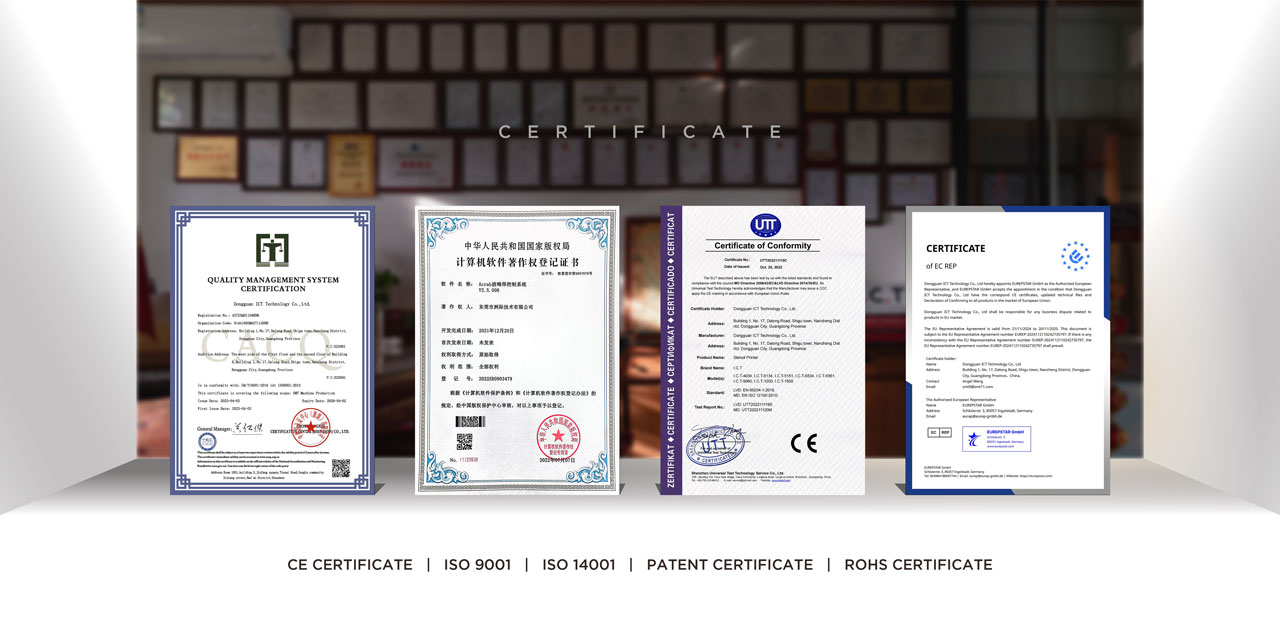
| Our Certification
Compliance with industrial electronics manufacturing requirements
The system is manufactured under recognized international quality frameworks including CE, RoHS, and ISO9001 standards.
Each unit is tested under simulated production conditions to ensure stability in vacuum solder reflow oven environments before shipment.
| About I.C.T and Factory
Global SMT equipment and production solution provider
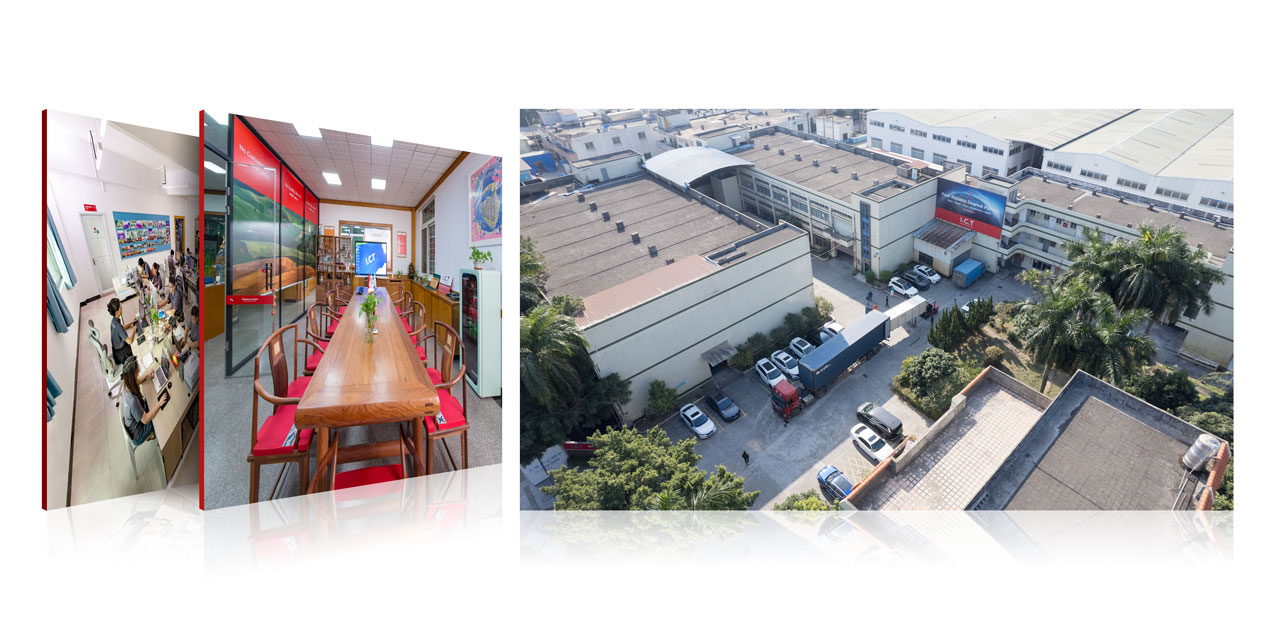
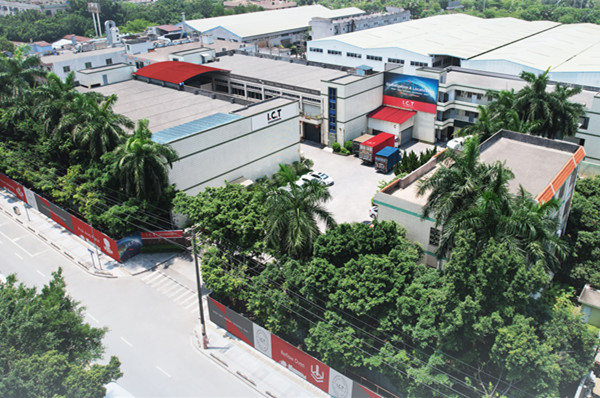
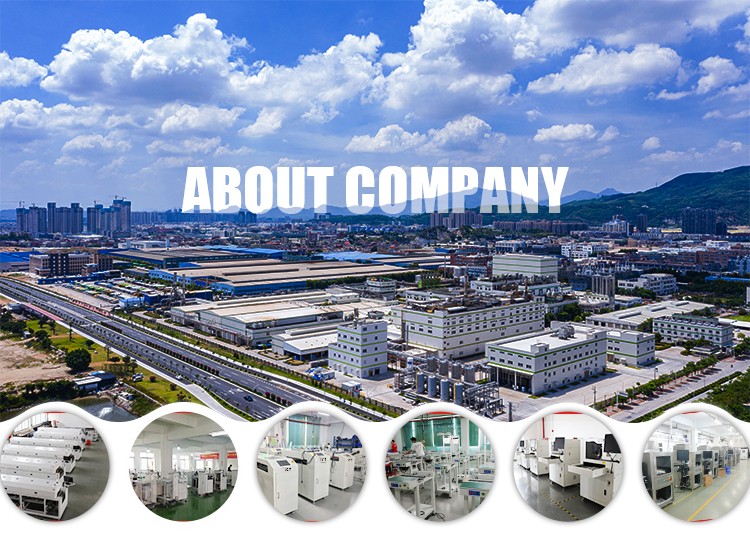
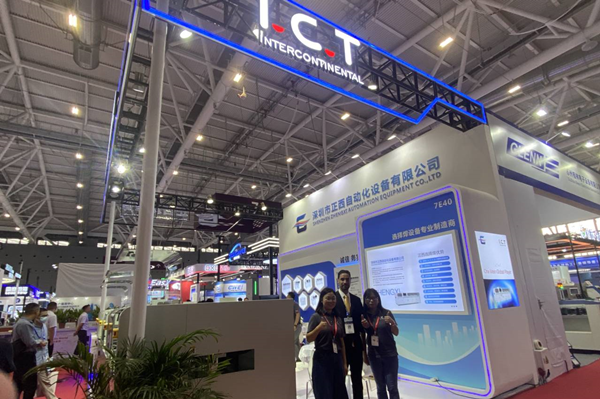
I.C.T focuses on complete SMT manufacturing system development, covering equipment design, production integration, and engineering support.
The company serves global electronics manufacturers across multiple industries including consumer electronics, automotive, and industrial control.
With continuous process innovation and engineering experience, I.C.T delivers stable production systems for complex PCB assembly environments worldwide.