English
Views: 0 Author: Site Editor Publish Time: 2026-04-24 Origin: Site
When choosing equipment for a production line, manufacturers often focus primarily on the upfront costs. However, one area that can silently eat away at your budget over time is energy consumption. This is especially true when it comes to reflow ovens, a vital component in the PCB assembly process. While the initial price tag of a reflow oven might seem like the most important factor, the ongoing energy costs and the potential for inefficiencies can have a significant impact on your bottom line.
As global energy prices continue to rise, the need for manufacturers to adopt energy-efficient solutions has never been greater. Beyond just reducing costs, energy-efficient ovens can help companies achieve sustainability goals, improve their production quality, and even enhance their competitiveness in the market. Understanding the true cost of owning a reflow oven—considering both the initial investment and its long-term operational expenses—is key to making a smart, forward-thinking purchase.
In this article, we’ll dive deep into the costs and energy consumption associated with reflow ovens. We’ll explore how to balance upfront costs with long-term savings, highlight the importance of energy efficiency, and provide valuable insights into how manufacturers can make the best investment for their production needs. Let’s explore how you can maximize your investment and ensure your reflow oven works as efficiently as possible, both for your budget and the environment.
When it comes to purchasing a reflow oven, the price can vary significantly based on several key factors. For smaller operations or those just starting out, entry-level reflow ovens typically range from $10,000 to $20,000. These models are generally simple, designed for low to medium volume production with basic features. If your operation requires more advanced features, such as multiple heating zones and more precise temperature control, you can expect to pay between $30,000 and $50,000 for mid-range models. For larger-scale, high-volume operations, high-end reflow ovens, equipped with cutting-edge technologies like nitrogen compatibility, customizable heating zones, and advanced cooling systems, can easily exceed $100,000.
Several factors influence the price of a reflow oven, and understanding these can help you determine the best fit for your business. First, the oven's size is a major factor—larger ovens are designed for high-volume production lines and naturally come with a higher price tag. Additionally, the number of heating zones plays a significant role. More zones mean more precise control over the heating process, which directly impacts the quality and consistency of the soldering results. For operations that require the highest quality, such as in the electronics or automotive industries, multiple heating zones are often a necessity. Furthermore, the type of heating system—whether convection or infrared—can also drive up the cost. Advanced features like nitrogen or vacuum systems, which are used to improve soldering quality and reduce oxidation, will further increase the price.
As with most industrial equipment, customization can also affect the price. Some manufacturers may require specialized features, such as enhanced temperature profiles or automated systems for loading and unloading PCBs. If your production line needs unique configurations—like extra-wide conveyers, longer oven chambers, or specific cooling systems—this will add to the initial cost. However, these customizations often help to improve efficiency and output, making them a worthwhile investment for businesses looking to scale their production. It's important to assess your specific needs carefully to avoid overspending on features you won’t use.
When budgeting for a reflow oven, it’s crucial to consider the hidden costs that are often overlooked. Installation is one such cost that can add up quickly, especially if the oven requires specialized setup or integration into your existing production line. Depending on the complexity, you may need to factor in additional expenses for electrical work, ventilation, or space modification to accommodate the new equipment. Another often-underestimated cost is training for operators. Proper training ensures the oven operates at optimal efficiency, which not only improves soldering quality but also helps prevent costly mistakes. Finally, don’t forget about shipping and logistics, particularly for larger ovens. The size and weight of the oven can add substantial shipping costs, and these must be accounted for in your overall budget.
Understanding how reflow ovens use energy is crucial for evaluating the ongoing costs of operation. During the reflow process, the oven heats up the PCB to a peak temperature to melt the solder paste, then cools down to solidify the solder joints and secure components. Both heating and cooling require a lot of energy, which can result in higher operational costs, especially when running large-scale production lines.
The energy consumption of a reflow oven mainly comes from the heating and cooling stages. The oven’s heating elements gradually raise the temperature to the required level, and this process uses a lot of electricity. After reaching the peak temperature, the cooling phase starts, which also uses energy to reduce the temperature of the PCB quickly. In high-volume production environments, these energy needs can add up quickly, leading to high operational costs.
Today’s reflow ovens come with many energy-saving features designed to help reduce costs. For example, some ovens have variable-speed fans that adjust airflow, using less energy during both heating and cooling cycles. Many modern ovens also use infrared heating technology, which is more energy-efficient and requires less power to reach the necessary temperatures. Additionally, some ovens include energy recovery systems that capture and reuse heat, cutting down on waste and lowering energy consumption even further.
Different types of reflow ovens have different energy consumption rates. Air reflow ovens, which use air to transfer heat, typically consume more energy than nitrogen ovens, which are more efficient at controlling the heat inside the oven. Hybrid ovens, which combine both air and nitrogen, offer a balance between energy efficiency and flexibility in the production process. For manufacturers looking to reduce energy costs, it’s important to choose the right type of oven to achieve the best balance between performance and energy efficiency.
The long-term performance of a reflow oven depends heavily on regular maintenance. To keep the oven working efficiently, you need to clean the heating elements, calibrate the temperature controls, and replace parts that wear out, like fans or conveyors. These routine tasks are necessary to maintain consistent soldering quality and prevent equipment breakdowns that could lead to costly downtime.
Proper maintenance is key to ensuring your reflow oven operates smoothly for years. Simple tasks like cleaning the heating elements and checking temperature settings help keep the oven running at its best. Replacing worn-out parts, such as fans or conveyors, is also important to avoid bigger issues later. Regular maintenance keeps soldering quality high and minimizes the risk of unexpected repairs that could disrupt your production.
Downtime is one of the most costly problems you can face when running a reflow oven. Even a short period of downtime can throw off production schedules, causing delays and impacting your ability to meet customer demands. This can result in lost revenue. Regular maintenance helps prevent this by catching potential issues before they cause major problems. By addressing small problems early on, you can extend the life of your oven and avoid expensive repair costs or production halts.
Running a reflow oven also comes with ongoing operational costs. The most significant of these is electricity, especially if you’re using older, less energy-efficient models. If you have a nitrogen oven, the cost of nitrogen adds another expense. The amount you spend on nitrogen depends on the size of the oven and how much production you’re doing. Other operational costs include consumables like flux, solder paste, and gas, which should all be factored into the total cost of ownership. These ongoing expenses need to be considered when planning your long-term budget.
Investing in an energy-efficient reflow oven might require a higher initial cost, but it can lead to significant savings in the long run. The primary benefits are seen in reduced energy consumption and lower operational costs. While a standard oven may have a lower upfront price, its long-term energy costs can quickly add up. An energy-efficient oven, on the other hand, consumes less power, which results in lower electricity bills. Over time, these savings can offset the higher purchase price, making it a wise investment for your business.
Although energy-efficient reflow ovens are more expensive to buy initially, the long-term savings can make them more cost-effective. By consuming less electricity, these ovens can significantly reduce your energy costs. When comparing modern, energy-efficient models to older, less efficient ovens, you can clearly see how much money you will save on electricity bills over the years. These savings can be substantial, turning the higher upfront cost into a smart investment. With energy prices continuing to rise, an energy-efficient oven offers a safeguard against increasing energy expenses, making it an even better choice for the future.
The difference in energy consumption between modern energy-efficient ovens and older models is quite noticeable. Traditional ovens may seem cheaper at first, but they tend to use more power, which means higher energy bills in the long term. Energy-efficient ovens, equipped with advanced features like variable-speed fans and infrared heating systems, use less electricity while still delivering high-quality results. By investing in energy-efficient equipment, manufacturers can reduce their operational costs and improve their overall profitability. Over the lifespan of the oven, the savings on energy bills will more than make up for the initial investment.
In addition to saving money, adopting energy-efficient reflow ovens also aligns with sustainability goals. With growing environmental concerns, many companies are prioritizing eco-friendly practices to reduce their carbon footprint. Energy-efficient ovens help minimize energy waste and lower the overall environmental impact. Not only does this contribute to a company’s sustainability efforts, but it also enhances its reputation among environmentally conscious customers. By choosing an energy-efficient oven, manufacturers can make a positive environmental impact while also benefiting from long-term cost savings.
When selecting a reflow oven, manufacturers need to find a balance between the initial cost and long-term energy savings. It's important to look at the total cost of ownership, which includes not only the purchase price but also the maintenance, energy consumption, and operational costs over time. Sometimes, paying more upfront for a high-efficiency oven is a smart choice, especially for businesses with high-volume production. In such cases, the energy savings can quickly make up for the higher initial cost.
Choosing a reflow oven isn’t just about picking the cheapest option. Manufacturers should focus on the total cost of ownership over the oven’s lifetime. For a more detailed guide on selecting the right reflow oven for your SMT production line, check out our complete guide to help you make the most informed decision.
While cheaper models might seem attractive, they could end up costing more in energy bills and repairs. Energy-efficient ovens may have a higher upfront cost, but their reduced energy consumption and lower operational costs can offer substantial savings in the long run. For high-volume manufacturers, these savings can significantly offset the initial investment, making it a more cost-effective choice overall.
Another important consideration is customization. Every production line is different, and so are the needs of each manufacturer. When selecting a reflow oven, manufacturers should look for features that help optimize energy efficiency without sacrificing performance. For instance, ovens with precise temperature control, multiple heating zones, and advanced cooling systems can reduce energy use while still ensuring high-quality soldering. These features help maintain the necessary heat consistency while making sure that the oven uses energy more efficiently. By choosing a customized oven that fits their specific needs, manufacturers can improve their overall production process and cut down on unnecessary energy waste.
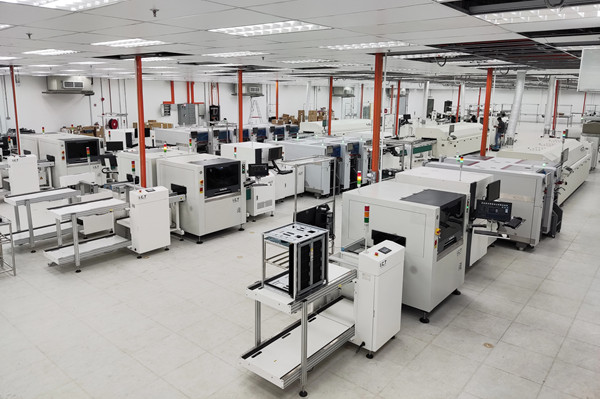
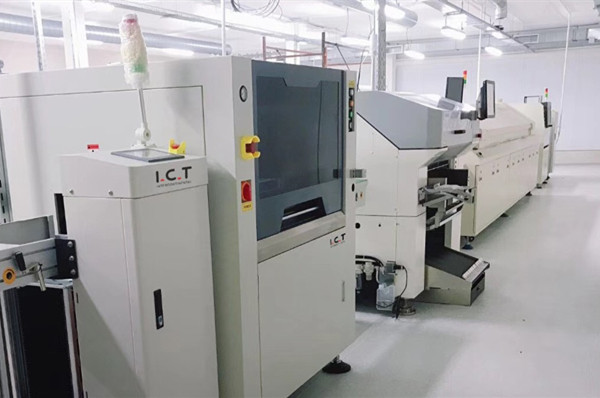
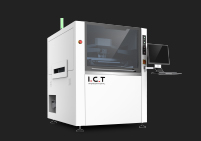
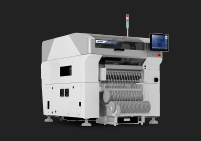
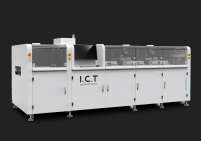
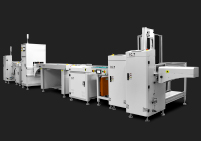
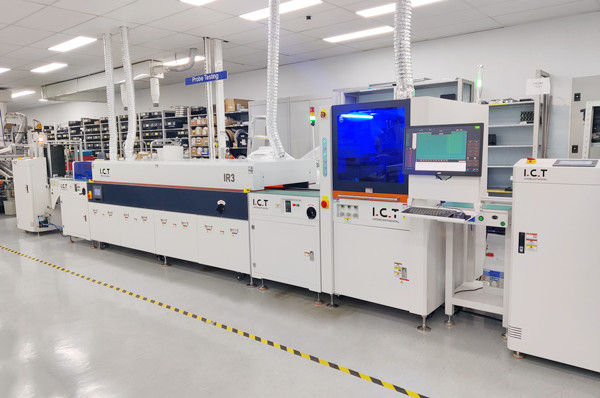
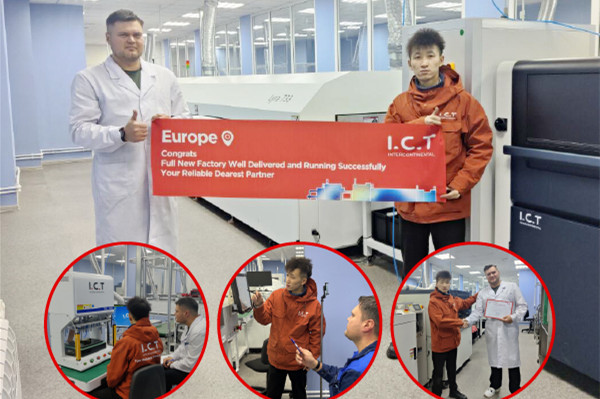
In April 2026, I.C.T delivered a fully automated SMT production line to a leading LED industry customer in Germany, specializing in smart LED control boards. The solution included key equipment such as PCB board loaders, stencil printers, pick-and-place machines, reflow ovens, and cooling conveyors.
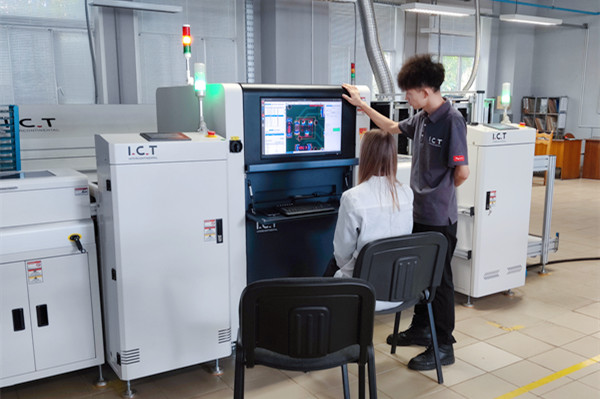
I.C.T’s engineers provided on-site installation and training, ensuring smooth setup and optimal use of the equipment. Our support helped the customer quickly achieve efficient operations with minimal downtime.
One of the standout features of this project was the energy-efficient reflow oven, selected for its advanced temperature control and reduced energy consumption. This helped the customer lower their electricity costs while improving soldering quality and operational efficiency.
This project highlights how I.C.T turnkey SMT solutions enable LED manufacturers to streamline production, reduce costs, and enhance energy efficiency. By partnering with us, our customers benefit from both immediate support and long-term savings.
I.C.T. is committed to offering a complete range of SMT solutions, helping customers choose the right equipment for their production lines. Our expertise goes beyond simply selling reflow ovens; we provide full consultation to ensure businesses make the best investment for both cost-effectiveness and energy efficiency. With I.C.T, customers receive customized solutions tailored to their specific production needs and sustainability goals.
At I.C.T., we believe that choosing the right equipment is crucial for maximizing productivity while keeping costs low. Our team provides expert advice to help businesses select energy-efficient reflow ovens and other equipment that align with their specific needs. By considering both initial costs and long-term savings, we guide our clients towards solutions that not only improve performance but also lower operating costs in the long run.
What sets I.C.T. apart is our personalized approach. We work closely with each customer to understand their unique production challenges and goals. Whether upgrading to energy-efficient equipment or setting up a new production line, we provide tailored recommendations that help our clients achieve the best results. Many of our customers have seen significant cost savings after implementing our solutions, particularly by switching to energy-efficient reflow ovens.
Our clients value the long-term support we provide. For example, after switching to more energy-efficient reflow ovens recommended by I.C.T, several customers reported reduced energy costs and improved production efficiency. These real-world results highlight the benefits of partnering with a trusted provider like I.C.T. By making informed decisions, our clients not only improve their production lines but also achieve sustainable cost savings.
Choosing the right reflow oven for your production line involves careful consideration of both initial costs and long-term savings. By evaluating the total cost of ownership—including purchase price, maintenance, energy consumption, and operational expenses—you can make an informed decision that benefits your bottom line in the long run. Investing in energy-efficient equipment may have a higher upfront cost, but the savings in energy bills and reduced operational costs will pay off over time.
At I.C.T, we are committed to helping you find the best solutions for your production needs. Our expertise and personalized approach ensure that you not only choose the right equipment but also optimize your production line for maximum efficiency and cost-effectiveness. By partnering with us, you’re not just investing in high-quality equipment; you’re making an investment in the long-term success of your business.
Ready to cut costs and boost efficiency? Contact I.C.T today for expert advice and customized solutions to optimize your production line. Let’s start improving your operations now! ---> > >
How can I reduce the energy consumption of my reflow oven?
What is the typical lifespan of a reflow oven?
How do I choose the right reflow oven for my production line?
What kind of maintenance is required for a reflow oven?
Can I upgrade my existing reflow oven to make it more energy-efficient?