English
Views: 0 Author: Site Editor Publish Time: 2026-04-27 Origin: Site
Reflow soldering is a vital process in modern electronics manufacturing, ensuring that components are securely and precisely attached to printed circuit boards (PCBs). Despite its essential role, many manufacturers encounter significant challenges related to soldering defects. Common issues such as cold solder joints, solder bridges, and PCB warping not only affect the quality and reliability of the final product but also lead to costly rework, delays, and potential product failure. These defects can be frustrating, especially when trying to maintain consistent high-quality production standards.
The good news is that these defects don’t have to be inevitable. In fact, by selecting the right reflow soldering equipment, manufacturers can prevent many of these common problems and enhance the overall quality of their soldering process. The selection of the right reflow oven, with precise temperature control, airflow management, and cooling capabilities, is a crucial factor in improving solder joint quality and minimizing defects.
In this article, we will explore the most common reflow soldering defects and explain how choosing the right equipment can directly address and mitigate these issues. Whether it’s preventing cold solder joints, reducing solder bridges, or controlling PCB warping, the right equipment can make a world of difference in improving production quality. At I.C.T, we specialize in providing comprehensive one-stop SMT solutions, offering expert guidance and cutting-edge equipment to help our clients optimize their production processes. Keep reading to discover how I.C.T customized solutions can help you overcome common reflow soldering challenges and improve your manufacturing results.
Reflow soldering, while a critical process in electronics manufacturing, is not without its challenges. The process involves melting solder paste to create reliable electrical connections between components and PCBs. However, when not executed properly, various defects can occur. Understanding these defects is the first step in preventing them. In this section, we will explore the most common reflow soldering defects, their causes, and their impact on the final product. Additionally, we will discuss how these issues can be addressed through proper equipment selection.
Description: Cold solder joints occur when the solder doesn’t heat enough to properly melt and bond with both the PCB and the component lead. These joints tend to appear dull or cracked and are less conductive, leading to unreliable connections.
Causes:
Inadequate Heating: If the temperature during the reflow process is too low, the solder may not melt sufficiently, leaving behind a cold joint.
Insufficient Solder Paste: If too little solder paste is applied, the joint may not form properly.
Inconsistent Temperature Distribution: Uneven heating within the reflow oven can also result in certain areas of the PCB remaining too cold, causing incomplete soldering.
Impact: Cold solder joints lead to poor electrical connections and can cause the component to fail during operation. These joints are often fragile and may crack under mechanical stress or over time, resulting in device malfunction or complete failure.
Prevention:
Precise Temperature Control: Choosing a reflow oven with accurate temperature control and uniform heat distribution is key to preventing cold solder joints. The oven should have multiple heating zones that ensure consistent and even heating across the entire PCB.
Description: Solder bridges occur when excess solder melts and forms unintended connections between adjacent component leads or pads. This can result in short circuits, causing the circuit to fail.
Causes:
Excessive Solder Paste: Too much solder paste applied in the wrong areas can easily lead to solder bridges.
Improper Nozzle Design: Incorrect nozzle sizes or placement in the reflow oven can allow solder paste to spread across the pads.
Excessive Heating: Overheating can cause solder to spread too far, leading to the formation of bridges.
Impact: Solder bridges are one of the most problematic defects in reflow soldering. They can short out circuits, causing them to behave erratically or fail entirely. If not caught early, solder bridges can lead to a significant amount of rework, increasing production costs and delays.
Prevention:
Accurate Paste Dispensing: Ensuring the right amount of solder paste is applied with the correct precision is crucial. Automated dispensing systems can help with precise application.
Advanced Equipment for Uniform Heating: A reflow oven with good temperature and airflow control will help reduce the likelihood of solder paste spreading beyond the intended pads.
Description: Insufficient soldering refers to a situation where the solder doesn’t cover the PCB pad or component lead adequately. This often results in weak or incomplete solder joints that fail to create a solid electrical connection.
Causes:
Inconsistent Heating: If the PCB doesn't reach the required temperature across the board, the solder paste may not melt properly, leading to an incomplete solder joint.
Wrong Solder Paste Type: Using a solder paste that is not suited for the specific component or PCB material can cause insufficient soldering.
Incorrect Soldering Parameters: Temperature profiles that are too short or not properly ramped can result in insufficient soldering.
Impact: Insufficient soldering weakens the electrical connection, which may lead to intermittent functionality or complete failure of the component during operation. This type of defect often requires rework, adding extra costs and time to the production process.
Prevention:
Proper Temperature Profiles: Ensure that the reflow oven used has a carefully calibrated temperature profile to ensure uniform heating and complete solder paste melting. Consistent peak temperatures and controlled cooling rates are essential for preventing insufficient soldering.
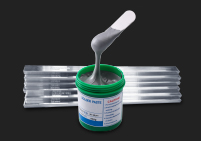
Solder Paste Optimization: Select solder paste that is designed for the type of components and PCB materials being used. Regular checks of paste viscosity and application methods can help reduce this issue.
Description: Pad lifting occurs when the PCB pad, which is designed to hold the component in place, detaches from the board during the reflow process. This defect is typically a result of thermal stress that causes the adhesive between the pad and PCB to fail.
Causes:
Excessive Heat: Overheating the PCB during the reflow process can cause the PCB material and pads to expand at different rates, leading to pad detachment.
Thermal Expansion Mismatch: Differences in the expansion rates between the PCB material (typically FR4) and the copper traces or pads can cause stress and lead to pad lifting.
Improper PCB Handling: If the PCB is not properly supported or is too thin, it may not withstand the thermal process, leading to damage.
Impact: Pad lifting makes it difficult to establish proper electrical connections, as the component will no longer be securely attached to the PCB. This can result in unreliable connections and potential device failure.
Prevention:
Controlled Temperature Ramp-Up: Select a reflow oven that offers fine control over heating rates, ensuring that temperature increases gradually to prevent thermal shock.
PCB Material Selection: Use high-quality PCB materials that can withstand thermal stresses, and ensure that the reflow oven has appropriate cooling rates to minimize the risk of pad lifting.
Description: PCB warping occurs when the board bends or twists during the reflow process due to uneven heating or rapid temperature changes. This can cause components to misalign and lead to poor solder joints.
Causes:
Rapid Heating or Cooling: Quick temperature changes cause uneven thermal expansion, leading to stress on the PCB material.
Improper Support During Reflow: If the PCB is not properly supported within the oven, it may bend under its own weight or due to thermal forces.
Thicker PCBs: Larger or thicker boards are more prone to warping due to their higher thermal mass.
Impact: Warped PCBs cause misalignment of components, which can lead to soldering defects like insufficient soldering or cold joints. In severe cases, the warping can damage the components themselves.
Prevention:
Uniform Heat Distribution: Choosing a reflow oven with uniform and controlled heat distribution ensures that all areas of the PCB are heated evenly, preventing warping.
Proper Cooling Rates: A reflow oven with adjustable cooling rates allows manufacturers to gradually cool the board, minimizing thermal stresses and reducing the risk of warping.
The quality of reflow soldering directly impacts the reliability of electronic products, and selecting the right equipment is one of the most effective ways to reduce common soldering defects. In this section, we will discuss how different features and capabilities of reflow soldering equipment can help prevent defects like cold solder joints, solder bridges, insufficient soldering, pad lifting, and PCB warping.
Precision and Consistency:
One of the most crucial factors in preventing soldering defects is precise temperature control. Reflow ovens with accurate temperature regulation can ensure that the solder paste is heated evenly across the entire PCB. If the temperature is not uniformly distributed, defects like cold solder joints or solder bridges may occur due to inconsistent soldering conditions.
Modern reflow ovens come equipped with multiple heating zones, allowing the user to customize the temperature at different stages of the process. This feature ensures that each part of the PCB reaches the required temperature at the right time, facilitating smooth solder paste melting and preventing issues such as insufficient soldering or cold joints.
How Equipment Helps:
Multiple Heating Zones: These zones allow for a more gradual and controlled heating process, preventing the sudden temperature spikes that can lead to defects.
Advanced Control Systems: The integration of advanced digital controllers ensures that temperature profiles are accurate and repeatable, contributing to consistent and high-quality solder joints.
Airflow Impact on Soldering:
Airflow is another critical factor that influences the reflow soldering process. Inconsistent airflow within the oven can cause uneven heating, leading to solder defects like solder bridges or insufficient soldering. Proper airflow management ensures that heat is evenly distributed, and the solder paste melts uniformly.
Reflow ovens with convection heating systems use circulating hot air to evenly heat the PCB, preventing areas of the board from overheating or cooling too quickly. This type of heating minimizes the chances of solder bridges, as it ensures that the solder paste does not spread excessively during the reflow process.
How Equipment Helps:
Uniform Air Circulation: Ovens with controlled airflow systems can direct heated air over the PCB in a consistent manner, ensuring all components are evenly soldered.
Convection vs. IR Heating: While infrared (IR) heating is commonly used in some reflow ovens, convection heating provides more uniform heat distribution, reducing the risks of defects caused by uneven heating.
Slower Cooling for Stability:
The cooling stage is just as important as heating. Rapid cooling can cause thermal stresses, leading to issues like PCB warping or pad lifting. On the other hand, too slow of a cooling process can result in poor solder joint formation or cold solder joints. Therefore, controlling the cooling rate is crucial for the overall soldering process.
Advanced reflow ovens offer multi-stage cooling systems, which allow for a controlled, gradual reduction in temperature. By slowing down the cooling rate, these ovens minimize the risk of thermal shock to the PCB, ensuring that solder joints solidify correctly and that the board maintains its integrity.
How Equipment Helps:
Adjustable Cooling Stages: Reflow ovens with programmable cooling stages allow manufacturers to gradually reduce the temperature, ensuring that the board does not experience sudden stress.
Active Cooling Systems: Ovens with efficient cooling mechanisms help maintain the structural integrity of the PCB, preventing warping and pad lifting while ensuring quality solder joints.
Flux Management:
Flux plays an essential role in the soldering process by helping solder flow and bond to the PCB and component leads. However, improper flux management can lead to contamination, causing issues like cold solder joints or insufficient soldering. Flux recovery systems integrated into reflow ovens help prevent this by collecting excess flux and preventing it from interfering with the soldering process.
Solder Paste Delivery:
The application of solder paste also plays a crucial role in achieving high-quality solder joints. Excessive or insufficient paste can lead to various defects, such as solder bridges or insufficient soldering. Reflow ovens equipped with precise solder paste dispensing systems help ensure that the right amount of paste is applied to the PCB, minimizing the risk of defects.
How Equipment Helps:
Flux Recovery Systems: Reflow ovens with flux recovery systems capture excess flux, ensuring that the paste remains clean and free from contaminants, which improves solder joint quality.
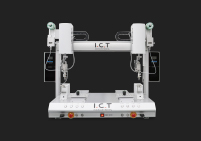
Automated Paste Application: Automated solder paste dispensers in conjunction with reflow ovens ensure precise application, reducing the risk of over-application or insufficient paste, which can lead to defects.
Consistency:
Reflow soldering is a delicate process, and maintaining consistency across different production runs is crucial for minimizing defects. Equipment that offers high repeatability ensures that the temperature profiles and heating/cooling cycles remain consistent, allowing for high-quality solder joints every time.
Advanced reflow ovens with automated systems and programmable profiles ensure that the same parameters are applied across every PCB, ensuring that the soldering process remains stable and predictable, even with large-scale production.
How Equipment Helps:
Programmable Temperature Profiles: These profiles allow manufacturers to define the exact heating and cooling stages for each component, ensuring consistent results with every batch.
Automation for Repeatability: Automated systems reduce human error and variability, making it easier to maintain stable production processes and avoid defects caused by inconsistent settings.
Summary of Equipment Benefits:
Choosing the right reflow soldering equipment, such as ovens with precise temperature control, advanced airflow management, customizable cooling rates, flux recovery systems, and repeatable processes, can significantly reduce common soldering defects.
By selecting high-quality equipment, manufacturers can achieve better solder joints, improved production efficiency, and a higher level of product reliability.
In the next section, we will discuss how to choose the right reflow oven for your production needs, taking into consideration these key features to minimize defects and optimize the soldering process.
When it comes to selecting the right reflow soldering equipment, many manufacturers find it challenging to navigate through the vast options available in the market. The complexity of balancing cost, performance, and reliability can be overwhelming. This is where I.C.T stands out as a trusted partner for companies looking for the best solutions to optimize their soldering processes and reduce common defects.
At I.C.T, we understand that each production line is unique, with specific requirements based on product type, volume, and quality standards. As a leading provider of one-stop SMT solutions, we offer expert advice and customiaed equipment selection services to help our clients choose the best reflow soldering machines for their needs. Here’s how I.C.T plays a key role in helping manufacturers mitigate reflow soldering defects and improve production efficiency.
I.C.T brings years of expertise to the table when it comes to selecting reflow soldering equipment. Our team of specialists works closely with each client to assess their unique production needs. We take into consideration factors such as:
Component size and complexity
Production volume
Required precision and temperature control
Energy efficiency and long-term costs
By understanding these factors, we help clients select equipment that not only meets their immediate production needs but also positions them for long-term success. Whether it’s choosing the right reflow oven with advanced temperature control or ensuring the correct paste dispensing system, I.C.T provides customized solutions that help minimize defects and maximize productivity.
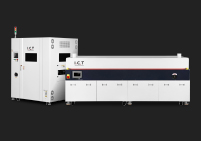
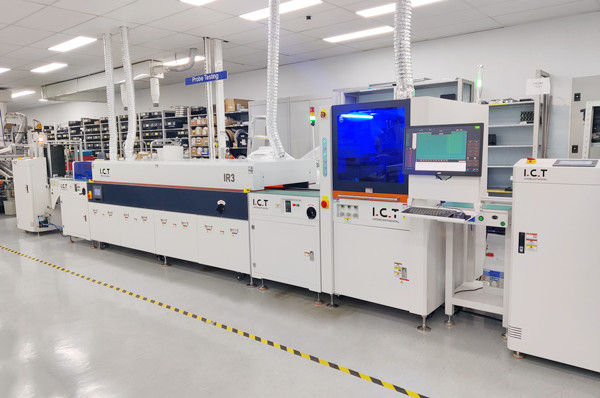
I.C.T offers a wide range of high-performance reflow soldering equipment designed to meet the diverse needs of the electronics manufacturing industry. From reflow ovens with multiple heating zones for precise temperature control to flux recovery systems that ensure clean and efficient soldering, we provide cutting-edge machines that support optimal soldering conditions.
Our equipment is designed with high repeatability, ensuring that the same quality and reliability are achieved with each production run. Additionally, our reflow ovens feature advanced airflow systems, providing consistent heat distribution that helps reduce defects such as solder bridges, cold joints, and pad lifting. By selecting I.C.T state-of-the-art equipment, manufacturers can rest assured that their reflow soldering processes will yield high-quality results every time.
At I.C.T, our commitment to customer success goes beyond just equipment sales. We offer comprehensive support and training services to ensure that our clients get the most out of their equipment. Our team of experienced engineers provides:
On-site training: Ensuring that operators understand how to use the reflow soldering machines efficiently and troubleshoot any issues that arise.
24/7 online support: Offering immediate assistance for any technical questions or issues, ensuring that production lines remain stable and operational.
Maintenance and calibration services: Helping to maintain equipment performance and extend the lifespan of machines through regular checks and updates.
By providing this level of ongoing support, I.C.T ensures that manufacturers can maintain optimal soldering quality, reduce downtime, and continue to improve production efficiency over time.
I.C.T is committed to delivering solutions that cater to the specific needs of various industries, including automotive electronics, medical devices, and consumer electronics. Each sector has its own set of challenges when it comes to soldering, such as dealing with complex components or ensuring precision in high-reliability applications.
Whether a manufacturer needs specialized reflow soldering equipment for LED assemblies, power electronics, or medical devices, I.C.T is equipped to provide the right tools and expertise. Our solutions are flexible, scalable, and customizable to meet the exact specifications of each industry, ensuring that every client receives the most effective equipment for their production needs.
When selecting a reflow oven, it’s important to first understand the specific needs of your production line. The right oven will depend on several factors such as production volume, component size, and materials used in the assembly process.
Production Volume: The size of your production run is crucial when selecting the right reflow oven. High-volume production lines, such as those found in automotive electronics or consumer goods manufacturing, will need ovens that can handle larger quantities of PCBs per hour, with higher throughput and capacity. On the other hand, smaller-scale operations, especially those producing limited batches or high-mix, low-volume items, might prioritize precision and versatility over high throughput.
Component Size: Larger components or PCBs may require specialized ovens that can accommodate them without compromising the soldering process. Choosing an oven that can easily handle larger boards or components ensures consistent soldering quality without the risk of overheating or inadequate heat distribution.
Materials: Different materials, such as aluminum-based or ceramic PCBs, have distinct thermal properties. The reflow oven chosen should be compatible with these materials to prevent thermal stress and ensure reliable soldering. Therefore, understanding the materials your PCBs are made from will help determine which oven type and technology is best suited for your needs.
When choosing a reflow oven, there are a few key factors to take into account, all of which directly influence production speed, soldering quality, and operational efficiency.
Size and Throughput
The size of the reflow oven and its throughput capacity play an essential role in production speed and efficiency. Larger ovens are better suited for high-volume production lines, capable of handling more PCBs per hour with minimal downtime. For smaller production lines, a compact oven with the ability to fine-tune temperature profiles for precision soldering might be more appropriate.
How Equipment Helps:
Larger Ovens for High Throughput: High-capacity ovens with wider conveyor belts and faster throughput help manufacturers scale production without bottlenecks.
Smaller Ovens for Precision: Compact ovens offer precision and are ideal for low-volume or specialized production needs.
Heating Technology
Reflow ovens typically use three types of heating systems: convection, infrared (IR), and hybrid systems. Understanding the differences between these systems is crucial for selecting the right oven.
Convection Heating: Uses circulating hot air to heat the PCBs evenly. Convection ovens provide uniform heat distribution and are typically used for applications requiring high precision. These ovens are well-suited for diverse materials and component sizes.
Infrared (IR) Heating: Heats PCBs through infrared radiation. These ovens heat up more quickly and can target specific areas, which makes them ideal for quick reflow processes or small batches.
Hybrid Systems: Combine convection and IR heating technologies, offering the benefits of both. Hybrid systems are versatile and can provide precise temperature control for different production needs, making them ideal for diverse applications.
How Equipment Helps:
Convection for Consistency: Ideal for even heat distribution, especially in high-precision applications.
IR for Speed: Faster heating, suitable for smaller production runs with quick reflow cycles.
Hybrid for Versatility: Offers a balance of both convection and IR, ideal for varied and complex production lines.
Energy Efficiency
Energy consumption is a significant factor when selecting reflow ovens, particularly for high-volume production lines. Energy-efficient ovens not only help reduce long-term operational costs but also contribute to sustainable manufacturing practices. Modern reflow ovens feature advanced heat recovery systems, which allow for the recycling of excess heat, reducing the overall energy demand.
How Equipment Helps:
Heat Recovery Systems: Reflow ovens equipped with heat recovery features can save energy by reusing heat, reducing operational costs in the long term.
Energy-Efficient Designs: Ovens with insulation and efficient thermal management minimize energy loss, further contributing to cost savings and sustainability.
Support and Service
Choosing an oven from a supplier that provides comprehensive support and training is crucial. Even the best reflow ovens require regular maintenance, troubleshooting, and occasional upgrades. A strong support system ensures that your equipment operates at optimal performance and avoids costly downtime.
How Equipment Helps:
Comprehensive Training: Ensuring operators are trained on the correct use and maintenance of the equipment helps avoid errors and extends the lifespan of the oven.
Ongoing Support: Having access to 24/7 technical support and maintenance services ensures quick resolution of any issues that arise, minimizing production interruptions.
In this article, we’ve explored the common reflow soldering defects, such as cold solder joints, solder bridges, insufficient soldering, pad lifting, and PCB warping. Each of these defects can significantly impact the quality and reliability of electronic products, leading to costly rework and production delays. However, as we've discussed, these issues can be effectively mitigated through the selection of the right reflow soldering equipment.
The key to minimizing these defects lies in choosing reflow ovens with precise temperature control, uniform heat distribution, adjustable cooling rates, and energy-efficient designs. By ensuring that these factors are optimized, manufacturers can significantly improve soldering outcomes and production efficiency. Proper equipment selection is an investment in long-term quality, ensuring smoother operations and fewer defects on the production line.
At I.C.T, we specialize in providing one-stop SMT solutions, offering expert guidance on selecting the best reflow soldering equipment customized to your production needs. With our advanced reflow ovens and comprehensive support services, we help manufacturers achieve consistent, high-quality soldering results. Whether you are upgrading your current systems or setting up new lines, I.C.T’s experienced team is here to help you every step of the way.
For reliable and efficient reflow soldering solutions, consult with I.C.T today to ensure the highest soldering quality for your production line. Let us help you optimize your process and eliminate common defects, leading to improved product reliability and reduced downtime.
What are the most common defects in reflow soldering, and how can they affect my production line?
How does selecting the right reflow oven prevent soldering defects?
What type of reflow oven should I choose for high-volume production?
Why is energy efficiency important when selecting a reflow oven?
How does I.C.T support customers in choosing the right reflow soldering equipment?