English
Views: 0 Author: Elsa Long Publish Time: 2026-10-20 Origin: Site


A stencil is the precision instrument your solder paste printer depends on, and it only performs to that precision while its apertures stay clear. Paste, flux and fine metal particles accumulate in the apertures and on the stencil underside with every print, and no amount of under-stencil wiping removes the residue that builds inside the openings. That is the job an automatic stencil cleaning machine exists to do — flush every aperture back to bare metal, cycle after cycle — and choosing the right one is less about picking a brand than about matching a machine's mechanism, chemistry and envelope to the stencils and volumes your line actually runs. The I.C.T solder paste printing equipment ships alongside cleaning machines built to the same factory standard, and this guide is written to make that match a deliberate decision.
The sections below walk the selection the way a process engineer would actually run it. They establish why cleaning matters and where the machine fits, size the machine to your stencils and changeover cadence, then take the mechanism and chemistry apart so you can read a specification honestly. From there they lay out a verification checklist, explain how the cleaner integrates with your print process, and close with a comparison-and-decision framework you can run a shortlist through. The aim is a selection you can defend in an audit — the same standard any solder paste stencil cleaning machine for SMT printing should be held to — not a purchase you can rationalize after the fact.
Table of Contents
Stencil cleaning is the discipline that keeps a printer's most precise consumable working at specification, and it is one of the highest-leverage process controls a line owns. Every print transfers not just paste but a small residue — flux, partially dried paste and fine metal particles — into the apertures and onto the stencil underside, where it accumulates print by print. Left uncleaned, that accumulation shrinks effective aperture area, drags transfer efficiency down and widens the volume distribution until the same printer that passed capability last month starts flagging defects it never produced before. Cleaning is therefore not housekeeping; it is the periodic reset that keeps the deposit distribution where the process needs it.
This section frames the decision in three steps. First, it names exactly what cleaning protects — aperture geometry and, through it, the print process capability the rest of your line is audited on. Second, it maps the machine landscape, from manual washing through ultrasonic to automatic spray-in-air systems, so the later selection has fixed reference points. Third, it places the cleaner in the print workflow, separating the two cleaning jobs — the wipe that happens at the printer and the wash that happens off-line — because conflating them is the most common source of a mis-sized purchase.
The apertures in a laser-cut or electroformed stencil are engineered to deposit a precise volume of paste, and that precision holds only while the aperture walls are clean, bare metal. Residue changes the geometry in two directions at once: it narrows the effective opening, reducing the paste that transfers, and it roughens the walls, disrupting the paste release that determines deposit shape — the release and area-ratio behavior that the IPC-7525 stencil design guidelines define. The result shows up in the SPI data long before it shows up in AOI — a slow volume decline with widening spread that looks, at first glance, like a printer problem and is in fact a cleaning problem. This is the connection that makes cleaning a capability lever rather than a chore, and it is the reason the discussion in our guide to why clean apertures raise process capability treats the cleaning regime as a first-class process variable.
The protection is also economic. A stencil is a precision consumable whose life is shortened by aggressive or inadequate cleaning — too little and it clogs, too much and it wears or warps — and every lost stencil is both a purchase and a requalification. A stencil that must be re-verified after every cleaning because the clean is inconsistent costs process-engineering time far beyond the stencil's price. The right cleaning machine protects the stencil inventory and the process that depends on it, which is why the selection that follows weighs cleaning quality and stencil longevity as primary criteria rather than afterthoughts.
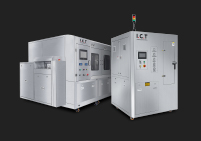
Three cleaning approaches define the landscape, and understanding them is the prerequisite to pricing and sizing the machine correctly. Manual cleaning — wiping a stencil by hand with solvent and lint-free cloth — is the zero-capital option, and it is adequate only where volume is low, pitch is coarse and the consequence of a missed aperture is minor. Ultrasonic cleaning immerses the stencil in a chemistry bath agitated by high-frequency sound, which reaches inside apertures to loosen fine residue, and it excels at fine-pitch and densely apertured stencils where capillary action and agitation matter. Automatic spray-in-air systems use high-pressure spray of heated chemistry followed by rinse and dry, and they combine aperture penetration with the throughput and repeatability a production line's changeover cadence demands.
The table below places the three against each other, and it is the reference the rest of this guide builds on. The key distinction for selection is not which is "better" but which matches your failure mode: manual and spray-in-air for volume and speed, ultrasonic for the finest geometry. The automatic stencil cleaning machine this guide focuses on is the spray-in-air and hybrid spray-plus-ultrasonic class, because it is the class that production lines — the readers of this guide — overwhelmingly adopt for its combination of cycle time and cleaning consistency.
Method | Cleaning action | Strengths | Typical fit |
|---|---|---|---|
Manual | Solvent + cloth by hand | Zero capital, simple | Prototype, very low volume, coarse pitch |
Ultrasonic | Immersed chemistry + cavitation | Deep aperture penetration | Fine-pitch, densely apertured stencils |
Automatic spray-in-air | Heated high-pressure spray + rinse + dry | Throughput, repeatability, automation | Production lines, high changeover |
Placing the cleaner correctly requires separating two cleaning jobs that share a name but live in different places. Under-stencil wiping happens at the printer, every few prints, and its job is to keep the underside clean between washes — it removes surface smear, not aperture residue. Off-line washing happens at the cleaning machine, on a schedule, and its job is to return the stencil to bare metal inside and out, removing the residue wiping cannot reach. The two are complementary, not alternatives: a line that wipes but never washes accumulates aperture clogging invisibly, while a line that washes but never wipes sees transfer-efficiency swings between washes. The automatic cleaning machine belongs in the off-line washing role, and the selection criteria in later sections assume that positioning.
The workflow placement then drives the machine's requirements. An off-line cleaner serving a single line has one cadence and one stencil size to cover; an off-line cleaner serving multiple lines — a shared stencil wash station — must cover the largest stencil any line uses and the combined changeover frequency of all of them. That shared-versus-dedicated question is the first sizing decision, and it is the bridge into the next section, which turns workflow into concrete envelope and throughput numbers. Getting this framing right — wipe at the printer, wash at the machine, sized to the line or lines it serves — is what keeps a cleaning purchase from being either oversized or starved.
The first and most common selection error is buying a cleaning machine that cannot physically accept the stencils the line actually uses — a mistake that survives because it sounds absurd until someone measures. Stencils come in frame sizes tied to the printer's board envelope, and a cleaning machine's chamber must swallow the largest framed stencil in the fleet, plus the thickness and tension characteristics of the foil it must not warp. Sizing is therefore a physical question before it is a throughput question, and it is settled by three measurements rather than by a catalog number.
The three sub-sections that follow take the measurements in order. Stencil dimensions and the cleaning envelope come first, because they set a hard yes-or-no gate no amount of feature comparison can override. Cycle time, throughput and changeover cadence come second, converting the envelope into the capacity the line needs. Frame types and loading compatibility come third, catching the mechanical details — stencil weight, handle style, adapter requirements — that turn a machine that "fits" on paper into one that actually loads.
The cleaning envelope is the maximum stencil the machine can hold, expressed as the framed stencil's outer dimensions, and it is the single most unforgiving specification in the purchase. Measure your largest stencil in its frame — not the foil, not the image area — and add margin for the adapter and the chemistry to reach the edges. A machine sized to a 600 mm frame will not accept the 736 mm frame your new printer uses, and the gap is not bridgeable by technique; it is a replacement decision made six months after the first purchase because the first machine was sized to the wrong reference. The disciplined practice is to size the cleaner to the largest framed stencil across all the lines and products it will serve, including the one on the roadmap that has not shipped yet.
Beyond outer dimensions, the envelope must respect the stencil's mechanical sensitivity. Foil tension is what holds the apertures dimensionally stable, and a cleaning process that flexes or overheats the stencil relaxes that tension, changing aperture geometry permanently. The machine's stencil support — how it holds the frame, whether it clamps the foil or only the frame, and whether the chemistry temperature stays within the foil's tolerance — is therefore part of the envelope decision, not an afterthought. A cleaning machine that cleans well but distorts stencils is trading print quality today for print quality tomorrow, and the sizing review should ask that question explicitly of every candidate.
Once the machine physically accepts the stencil, the next sizing question is whether it can clean at the rate the line changes stencils, and that rate is set by the production plan rather than by wishful thinking. Count the stencils the line swaps per shift — including the high-mix reality of several changeovers in an afternoon — and divide the cleaning machine's cycle time into the available washing window. A machine whose full wash-rinse-dry cycle is twenty minutes can process three stencils per hour; if the line demands six clean stencils per shift at peak, the math works only if washing can be staged ahead of changeover or if the machine runs during the day's quieter windows. The mismatch that matters is not average demand but peak demand, because changeovers cluster.
Cycle time itself is a function of the mechanism and the program: a quick clean for a lightly loaded stencil, a full clean-and-dry for one coming off a heavy paste run. Buyers should therefore ask for the cycle time at the cleaning intensity their paste actually requires, not the vendor's best-case number, and should confirm whether the machine supports the staged loading that lets one stencil wash while another is staged. Throughput is the arithmetic that keeps a cleaning machine from becoming the line's hidden bottleneck — a station that is never watched until a changeover waits on it — and sizing it correctly is the difference between a cleaner that disappears into the workflow and one that paces it.
The mechanical details of loading decide whether a machine that fits on paper actually works in the hand. Stencils arrive with different frame styles — solid frames, tension-mesh frames, and the quick-change or frameless systems some high-mix lines use — and the cleaning machine's fixtures must hold each without flexing the foil or blocking the chemistry. Frame weight matters for operator loading: a large framed stencil is a two-handed, occasionally two-person lift, and a machine whose loading height or door geometry makes that awkward will be bypassed by operators under time pressure, defeating the cleaning schedule it was bought to enforce.
Loading compatibility also covers the adapters and fixtures that let one machine serve mixed fleets. A shared wash station serving both a standard and an extended-length printer must switch fixtures quickly and safely, and the adapter cost belongs in the landed budget rather than arriving as a surprise option. The honest test is a dry run with the actual stencils the line uses — load each frame type, confirm the support, run a cycle — before signing. A cleaning machine is a physical system first and a specification second, and the load test catches what the data sheet cannot.
An automatic stencil cleaning machine is, at bottom, two systems working together: a mechanism that delivers chemistry to every aperture, and the chemistry that dissolves and carries away the residue. Choosing well means understanding both, because a machine with an excellent mechanism but an incompatible chemistry cleans poorly, and the best chemistry in a machine that cannot reach the apertures is wasted. The two are also where the real differences between machines live — not in the cabinet, but in how the spray or immersion is engineered and what the chemistry is formulated to remove.
Three sub-sections separate the mechanism from the chemistry from the finish. The mechanism comparison comes first, covering spray-in-air, immersion and the hybrid ultrasonic-plus-spray designs and what each is best at. Chemistry compatibility comes second, because the paste formulation and the stencil coating dictate the chemistry, and choosing the wrong one is a silent failure mode. Rinsing and drying close the section, because a stencil that is clean but not dry — or clean but streaked — is not clean enough for the print process that follows.

Three mechanism families dominate the automatic class, and they differ in how chemistry reaches the aperture. Spray-in-air systems pump heated chemistry through nozzles at pressure, directing a spray across the stencil surface so the fluid is driven into the apertures by momentum — effective for the surface residue and the first millimeters of aperture depth that dominate most printing failures. Immersion systems submerge the stencil in an agitated chemistry bath, relying on contact time and circulation to penetrate, which suits densely apertured stencils where capillary action matters. Hybrid systems add ultrasonic agitation to the bath or combine an ultrasonic pre-clean with a spray rinse, using cavitation to dislodge the fine particles that pressure alone leaves behind in fine-pitch apertures.
The selection logic is failure-mode driven rather than feature driven. If the line's stencils are standard pitch and the residue is surface smear and light aperture fill, spray-in-air delivers the speed and repeatability production wants. If the mix includes fine-pitch and micro-BGA apertures where a single blocked opening is a defect, ultrasonic penetration earns its premium. Most production lines find the answer is a hybrid or an ultrasonic-capable machine run selectively — full ultrasonic for the fine-pitch stencils, spray-only for the fast clean — and the buying question becomes whether the machine offers that selectivity rather than one fixed mode. The mechanism is what the machine does to the stencil; the selectivity is what makes one machine cover a mixed fleet.
The chemistry must dissolve the specific residues your paste leaves and must do so without attacking the stencil's coating or the frame materials, and those two constraints can pull in opposite directions. Paste families differ in flux chemistry — no-clean, water-soluble and rosin-based fluxes leave different residues, and a chemistry that dissolves one may be indifferent to another. Stencil coatings differ too: the nano-coatings that aid paste release are surface treatments that aggressive solvents can strip, and a cleaner that gradually removes a coating is degrading the very release the process depends on. The compatibility question is therefore not "does it clean" but "does it clean this paste without harming this coating," and the answer must come from a test, not a data sheet.
The practical discipline is to fix the chemistry to the paste-and-coating combination and verify it with a cleanliness test before committing to a machine or a chemistry supplier. Suppliers offer chemistry matched to paste classes, and the responsible buyer samples the paste residues from the line's own stencils and runs a cleaning trial, inspecting the apertures afterward rather than trusting the foam. The table below maps the common combinations to a chemistry class and the verification note that belongs with each, and it is the reference to keep beside the specification review in the next section.
Paste flux type | Stencil coating | Chemistry class | Verification note |
|---|---|---|---|
No-clean | Uncoated / nano-coated | Aqueous (saponified) or solvent blend | Confirm nano-coat survives; check aperture walls |
Water-soluble | Uncoated | Water / aqueous | Residue is aggressive; wash promptly after print |
Rosin-based | Nano-coated | Solvent or strong aqueous | Test coating adhesion after repeated cycles |
High-temperature / specialty | Coated | Matched chemistry per supplier | Require supplier cleanliness + coating test |
A stencil is only clean if it is residue-free in three senses — no paste, no chemistry, and no water — and the machine's rinse and dry stages are where that standard is met or missed. Rinsing removes the chemistry that carried the residue, and an incomplete rinse leaves a film that itself becomes contamination on the next print; the rinse must be as engineered as the wash, with the same reach into the apertures. Drying removes the water that would otherwise react with the next paste load or corrode the stencil, and the drying method — heated air, high-velocity air, or residual-heat evaporation — sets both the cycle time and whether the stencil leaves the machine ready to print or needing to stand. A stencil that must air-dry for ten minutes outside the machine is not really out of the cycle, and that wait belongs in the throughput arithmetic.
The residue-free standard is verified, not assumed: after cleaning, a stencil inspected under magnification or, better, against a cleanliness check should show bare aperture walls and no streaking on the foil — the cleaning-effectiveness standard the IPC-7526 Stencil and Misprinted Board Cleaning Handbook codifies as the industry reference for what a clean stencil actually means. Lines that track print quality in SPI can close the loop — a stencil that returns to the printer and immediately prints within its historical volume and height envelope is the functional proof that the clean was complete. The discipline of verifying the clean, and of recording cleaning as a step with a sign-off, is what turns a cleaning machine from a convenience into a process control, and it is the bridge into the next section's specification checklist, where verification becomes a buying criterion rather than an afterthought.
With the mechanism and chemistry understood, the selection reduces to a checklist of specifications that must be verified against the line's reality, not read off a brochure. The checklist has four clusters, and each holds a failure mode that a well-run trial exposes and a rushed purchase inherits. The point of writing the checklist is to make every requirement a pass-or-fail question with evidence behind it, so the shortlist that emerges in Section 6 is built on measured facts rather than sales confidence.
The four sub-sections take the clusters in order of consequence. Cleaning performance and its verification come first, because a cleaner that does not clean has failed at its only job. Automation, controls and safety come second, covering how the machine runs and how it protects the operator and itself. Service, spares and total cost come third, where the purchase price is tested against its lifetime. Environment, water and effluent close the section, because the chemistry the machine uses must leave the factory as responsibly as it leaves the stencil.
The first and only non-negotiable specification is that the machine actually cleans — measured, not claimed. Cleaning performance is specified by the standard it meets: a cleanliness test on a standard soiled stencil, an aperture-level inspection after the cycle, and a repeatability statement that the same result holds cycle after cycle. The honest verification is a trial on the line's own stencils with the line's own paste, because a vendor's standard stencil and standard soil are chosen to flatter the machine. A machine that cannot pass a trial on a genuinely soiled fine-pitch stencil — with apertures inspected after, not just a visual "looks clean" — should not make the shortlist regardless of its other features.
Performance verification should also cover the stencil's post-clean condition, because cleaning that succeeds at the expense of the stencil is not performance. The trial should measure foil tension before and after a cycle, check that coatings survive, and confirm the stencil returns to the printer without a requalification print. This is the specification that separates a cleaning machine from a stencil-destroying machine, and it is why the trial protocol belongs in the checklist as a pass criterion with evidence, not as a vendor-provided testimonial. A buyer who verifies cleaning quality and stencil condition has answered the only two questions that matter in this cluster.
Automation determines how much operator attention the machine consumes and how repeatable the clean is, and the two are linked. A machine with programmable recipes — chemistry temperature, wash time, rinse time, dry time, stored per stencil type — removes the judgment calls that produce variable cleans and lets one button recall the right program for the stencil in hand. Safety interlocks — door locks, temperature limits, fume handling — protect the operator from heated chemistry and the machine from operator error, and they are non-negotiable in a machine that runs hot pressurized fluid. The controls question is whether the machine records what it did, because a cleaning log is what turns cleaning into a traceable process step rather than a habit.
The evaluation for this cluster is hands-on: run a full cycle at the trial, change a recipe, trigger an interlock and watch the machine respond. Ask what the operator sees during the cycle, how a recipe is recalled, and whether the machine logs its runs for the quality record the rest of the line already keeps. A machine that cleans well but is awkward to operate will be skipped under production pressure, and a machine that cannot log its runs cannot be defended in an audit that asks when the stencil was last cleaned. Automation and controls are where a cleaning machine earns its place in the process, not where it saves cost, and the checklist should grade them as first-class criteria.
The purchase price of a cleaning machine is a small part of what it costs, and the checklist should price the rest before the price of the machine. Consumables are the largest recurring line: the chemistry is consumed by the cycle, and its cost per wash — not per bottle — is the number that accumulates; filters and wipes add to it. Service is the risk term: a cleaning machine is a single point in the changeover path, and a machine whose spares and service are distant converts a routine clean into a line-stopping wait. Energy and water are the quiet terms, and a machine's pump, heater and cycle time determine how much of each the clean consumes, which compounds across every stencil, every day.
The total-cost discipline is the same one this guide's broader discussion of printer economics applies: compare the landed price plus a three-year consumables, service and utilities estimate, not the sticker alone. This is where the cleaning purchase connects to the wider budget conversation — a cleaner priced against the printer it serves, as our guide to where stencil cleaning fits in the printer budget lays out — rather than priced in isolation. A cleaning machine that is cheap to buy and expensive to run is the most common false economy in this category, and the checklist's total-cost line exists to catch it.
The chemistry that cleans the stencil must leave the factory responsibly, and the checklist should treat effluent and ventilation as specifications rather than afterthoughts. Aqueous chemistry generates a wash stream that carries the dissolved flux and metal residue, and its disposal is regulated — the machine should either pair with a filtration or waste-handling path or make its effluent safe to discharge. Solvent-based chemistry adds fume and flash-point considerations, requiring the ventilation and the storage the factory must budget for. Water consumption matters where the line runs in a water-constrained region, and a machine's rinse volume is part of its running cost and its environmental footprint.
The responsible buyer asks three questions up front: what does the effluent contain, how is it disposed, and what ventilation or containment does the machine require — then confirms the factory can meet those requirements before the machine arrives. A cleaning machine that cannot be sited, vented or permitted where the line lives is not a cheaper option; it is an unworkable one, and the discovery is far cheaper made during selection than during installation. This cluster is the one most buyers skip and the one that most reliably turns a smooth purchase into a facility project, which is precisely why it belongs on the written checklist.
A cleaning machine earns its value only when it is integrated into the print process as a scheduled, documented step rather than parked beside the line as an occasional tool. The integration has two sides: a technical side, where the cleaning schedule and the cleaning result feed back into print quality, and an operational side, where operators follow a defined workflow and the machine's use is recorded. Both sides are what convert a clean stencil from a happy accident into a controlled variable the process can count on.
Three sub-sections cover the integration. The first restates the division of labor this guide has relied on — under-stencil wiping versus off-line washing — and why both, on their own schedules, are required. The second ties cleaning frequency to the print-quality data, so the schedule is driven by evidence rather than by habit. The third writes the SOP and operator workflow, because a cleaning schedule that lives in a binder rather than in the shift routine is a schedule that does not run.

The cleanest statement of the integration is that the printer and the cleaning machine own two different, complementary jobs that must both run. Under-stencil wiping, performed by the printer automatically or by an operator between prints — on the printer you chose against the criteria in our guide to selecting a solder paste printing machine for your SMT line — removes the surface smear that builds on the stencil underside within a single run. It is a hygiene step, fast and frequent, and it cannot reach residue packed inside the apertures. Off-line washing, performed by the cleaning machine on a schedule, removes the accumulated aperture residue and returns the stencil to bare metal — it is the deep clean, slower and less frequent, and it cannot be skipped without the aperture clogging that wiping masks until it is too late.
The integration rule that follows is that the two must be scheduled together, not chosen between. A line that wipes aggressively and washes rarely sees its SPI data degrade slowly as apertures fill; a line that washes often but wipes rarely sees transfer-efficiency swings between washes as the underside smears. The correct pairing is set by the paste and the pitch: aggressive pastes and fine pitch demand more frequent washing, while a stable no-clean paste on coarse pitch tolerates a longer interval. Setting the wipe frequency at the printer and the wash frequency at the machine as two coordinated parameters — and revisiting both when the SPI data moves — is the integration that keeps a clean stencil a controlled variable.
The cleaning schedule should be a function of evidence, not of habit, and the evidence is already in the line's SPI data. When a stencil ages between washes, the deposit volume trends down and the spread widens; the point at which that drift approaches the process's control limits is the point the wash should have happened. Lines that track volume and height by stencil clean-count can therefore set a data-driven wash interval — the clean-count at which the drift becomes meaningful — rather than a calendar guess. That interval then becomes a monitored parameter: if the drift arrives earlier than expected, the paste or the wiping regime changed, and if the stencil holds longer than expected, the interval can be safely extended.
Closing this loop is what separates a cleaning machine that is integrated from one that is merely installed. The integration requires the cleaning record and the print data to be read together — the clean-count of the stencil joined to the volume and height it printed — so a process engineer can see, on one view, whether the wash interval matches the drift. Machines that log their runs and lines that attribute SPI data by stencil are the ones that can do this; lines that treat cleaning and printing as separate silos keep re-deriving the schedule from anecdotes. The discipline of driving wash frequency from print data is the single highest-value integration step in this section, because it turns the cleaning machine into a process-control instrument instead of a wash station.
The best-integrated cleaning machine still depends on the operator who loads it, and the SOP is what makes that operator's work repeatable and traceable. The workflow should be short and explicit: which stencils go to the machine, at what clean-count or interval, loaded how, run on which recipe, inspected how before returning, and recorded where. The inspection step matters because it is the last chance to catch an incomplete clean before it returns to the printer — a quick aperture check under magnification or against the line's cleanliness standard — and the recording step matters because it is what makes the schedule auditable and the print-quality loop closeable.
The SOP also covers the exception path, which is where undocumented workflows break down: what to do when a wash comes out streaked, when a stencil arrives with heavy residue from an interrupted run, when the chemistry needs changing, and who signs off on a re-clean. The same workflow logic extends up the line — a clean stencil only pays off when the automatic stencil printing machines it serves are themselves specified to hold the fine-pitch tolerance the clean was meant to protect, which is why the printer and the cleaner are best chosen as one process rather than two purchases. Writing the exception path in advance keeps operators from improvising a fix that defeats the schedule, and keeps the cleaning machine's use consistent across shifts and operators. A cleaning machine paired with a one-page SOP that operators actually follow is worth more than a technically superior machine without one, because the SOP is what makes the clean happen every time, on schedule, with a record — which is the entire point of buying the machine.
The cleaning machine's value to a quality system is not the clean it performs but the record it leaves, and traceability is what turns cleaning from a habit into evidence. A machine that logs each run — which stencil, which recipe, which chemistry, what time, and a pass or fail on the result — gives the audit trail that customers and internal quality reviews increasingly expect: proof that a given stencil was cleaned on schedule and that the clean was verified before it returned to the line. Without that record, cleaning exists only in the operators' memory, and the first audit that asks "when was this stencil last washed" receives an anecdote instead of an answer. The solder paste stencil cleaning machine for SMT printing you select should therefore be graded on what it records as much as on what it removes.
Traceability also feeds the continuous loop this guide has built: a cleaning log joined to the stencil's clean-count and its SPI history is what lets a process engineer correlate a print-quality drift to the time since the last wash and set the data-driven interval Section 5 described. A machine that logs its runs, and a workflow that attaches that log to the stencil rather than to the shift, is the difference between a cleaning program that is auditable and one that is only observable. When the audit asks its question, the answer should be a line in a log, not a shrug in a review.
With the requirements written down, comparison becomes an exercise in scoring candidates against the same criteria rather than a debate between sales pitches. The shortlist should contain machines that all pass the hard gates — envelope, cleaning performance on the line's own stencils, chemistry compatibility — and the comparison then decides among them on the soft criteria and the total cost. This section structures that comparison so the final choice is a ranked decision with a rationale, not a preference with a rationalization.
Three sub-sections carry the comparison. Matching machines to product mix comes first, because a cleaner that is ideal for a high-mix line differs from one for a single-product line. A comparison matrix comes second, turning the checklist into a scored table that exposes where the machines actually differ. Piloting and proving the clean closes the section, because the comparison is only as good as the trial evidence behind it, and a pilot on the line's own stencils is what separates a confident choice from a hoped one.
The right cleaning machine for a line is a function of the mix it serves, and the same machine can be wrong or right depending on that mix. A single-product, high-volume line runs few stencils and changes them rarely, so its cleaner can be sized tightly to one envelope and one chemistry, with cycle time mattering less than consistency — the wash happens on a slow schedule and there is no changeover pressure. A high-mix line changes stencils several times a shift, so cycle time, staged loading and fixture-switch speed become decisive, and the machine must cover the full range of frame sizes and pitches the mix throws at it. The two lines buy different machines even if they print the same boards, because the machine's job differs.
The mix also sets the chemistry and mechanism priorities. A mix heavy in fine-pitch and micro-BGA stencils biases toward ultrasonic capability and a chemistry proven on fine apertures; a mix of coarse-pitch standard boards biases toward fast spray-in-air and a simple aqueous chemistry. Where the mix is genuinely mixed, the machine must offer selectivity — the ability to run ultrasonic on the fine stencils and fast spray on the rest — and that selectivity becomes a scoring criterion rather than a nice-to-have. The mix matters in one further sense: the stencil is the instrument of conventional stencil printing, and a line weighing that process against its stencil-free alternative — a comparison worked through in our guide to how stencil printing and stencil-free deposition differ — needs the cleaning answer settled either way, since a stencil-based line cannot hold its process without it. Matching the machine to the mix is the first filter of the comparison, and it usually eliminates more candidates than any other single criterion.
The comparison matrix is the checklist from Section 4 turned into a scored table, with each criterion weighted by its importance to the line and each candidate scored against it on the trial evidence. Weight the hard gates highest — envelope fit, cleaning performance, chemistry compatibility — because a machine that fails these is eliminated regardless of its score elsewhere. Then weight the operational criteria — cycle time, automation, total cost, service proximity — by how much they actually move the line's daily reality. The table below is a template with the weights a typical production line assigns; the scores belong to the trial, not to the template.
Reading the matrix is more important than filling it. The point is not a single number but the pattern of where the machines differ: a candidate that wins on cycle time but loses on chemistry compatibility is a different decision from one that is average everywhere. The matrix exposes those differences so the discussion can be had explicitly, and it documents the rationale so the choice survives a later audit that asks why this machine. A shortlist run through a weighted matrix, with the weights agreed before the scores are filled in, is the difference between a decision and a debate.
Criterion | Weight | Machine A | Machine B | Machine C |
|---|---|---|---|---|
Envelope fits largest stencil | Pass/fail | Pass | Pass | Fail |
Cleaning performance on line stencils | High | 8 | 7 | — |
Chemistry compatibility | High | Pass | Pass | — |
Cycle time / staged loading | Medium | 6 | 8 | — |
Automation & logging | Medium | 7 | 7 | — |
Total cost (3-yr) | High | 6 | 7 | — |
Service proximity | Medium | 8 | 6 | — |
The comparison resolves in a pilot, and the pilot's protocol is what makes the final choice defensible. Run each shortlisted machine on the line's own stencils with the line's own paste and chemistry — a genuinely soiled fine-pitch stencil and a standard-pitch stencil both — and inspect the apertures afterward against the cleanliness standard. Measure the cycle time on the program the line will actually use, not the vendor's fastest. Run enough cycles to see repeatability, and check the stencil's tension and coating before and after to confirm the machine is not cleaning at the stencil's expense. The pilot is the evidence that turns the matrix scores from estimates into measurements.
The pilot also answers the operational questions the data sheet cannot: how the operator loads the real stencil, whether the recipe is recalled without error, how the machine logs its run, and whether the effluent and ventilation requirements work in the actual factory. Running the pilot on the floor, with the operators who will live with the machine, surfaces the friction that a demo in a showroom hides. A cleaning machine that passes the pilot on the line's own stencils, in the line's own factory, with the operators who will run it, has cleared every bar this guide sets — and the decision that follows is a formality rather than a gamble.
Every criterion in this guide reduces, in the end, to a small set of questions that settle the choice, and a checklist that makes the decision repeatable for the next machine. The framework here is deliberately short, because a long framework invites the kind of over-analysis that leaves a line running a worn stencil while the committee debates. The questions are the five that actually discriminate, and the checklist is the sequence that produces a signed, defensible decision.
Two sub-sections close the guide. The five questions come first, each with the reasoning that makes it decisive and the answer that points to a machine class. The final checklist comes second, condensing the whole selection into the pass-or-fail and score lines a purchasing review runs top to bottom, so the next cleaning machine — and there will be a next one — is chosen with the same discipline and none of the rediscovery.
Five questions, answered in order, discriminate more than any feature list. First: what is the largest framed stencil the machine must clean, across every line and every roadmap product it will serve? The answer sets a hard envelope gate. Second: what is the line's peak changeover rate, and does the machine's cycle time at the required cleaning intensity keep pace with it? The answer sets throughput and whether staged loading is required. Third: what residues and coatings must the chemistry handle, and has that combination been proven on the line's own stencils? The answer sets the mechanism and chemistry, and it is the question a trial must answer rather than a brochure.
Fourth: does the machine clean the stencil without degrading it — tension, coating and aperture geometry intact after repeated cycles? The answer separates a cleaner from a stencil-destroyer and is the question most buyers forget to ask. Fifth: what does the machine cost to own, not just to buy — chemistry, service, utilities and effluent handled over three years against the purchase price? The answer is the total-cost line that turns a cheap sticker into an honest comparison. A machine that survives these five questions has passed every gate this guide sets; the remaining choice among survivors is a matter of service proximity and operator fit, which are preferences rather than requirements.
The checklist below is the entire selection compressed into the sequence a purchasing review runs, ordered so each step's output feeds the next: envelope, throughput, chemistry, cleaning quality, stencil condition, total cost, and the operational fit the pilot confirmed. A review that runs the table top to bottom produces a decision with a measured rationale and a named owner; a review that skips to price produces the purchase this guide exists to prevent. Run it against each candidate, keep the scores with the pilot evidence, and the choice makes itself.
Step | Check | Pass criterion | Evidence |
|---|---|---|---|
1 | Envelope vs largest stencil | Fits largest framed stencil + margin | Measured dimensions |
2 | Throughput vs peak changeover | Cycle time + staging meet peak demand | Cycle-time trial |
3 | Chemistry vs paste & coating | Clean, no coating damage | Cleanliness + coating test |
4 | Cleaning performance | Apertures residue-free, repeatable | Post-clean aperture inspection |
5 | Stencil condition preserved | Tension & geometry intact | Before/after tension check |
6 | Total cost (3-yr) | Favorable vs alternatives | Consumables + service + utilities |
7 | Operational fit | Operators run it, logs record it | On-floor pilot |
The decision framework does not end at the purchase order; it ends when the machine is commissioned and proven on the line, and the validation step is what confirms the choice was right rather than merely made. Commissioning installs the machine against the same criteria the selection used — envelope, chemistry, cycle time and effluent handling verified in the real factory rather than the trial — and validation runs the line's own stencils through the machine to confirm the cleaning performance and stencil condition the pilot promised. A machine that is installed and left to run without that validation drifts into under-use or misuse, and the selection criteria that were so carefully weighed are never re-checked against the outcome.
Validation also completes the feedback loop this guide has emphasized throughout: once the machine is commissioning-verified and the cleaning log is flowing into the print-quality data, the data-driven wash interval can be set for real and the cleaning program moves from project to routine. The checklist in the previous sub-section is the selection; this validation is the proof. Together they make the purchase a controlled change with a measured outcome — which is, in the end, the entire point of choosing deliberately rather than defaulting to whatever the catalog put in front of you.
Choosing the cleaner your stencils and line deserve
An automatic stencil cleaning machine is only as good as the match between its mechanism, chemistry and envelope and the stencils your line actually runs — which is why the right purchase starts with your largest stencil, your peak changeover rate and your paste, not with a catalog number. The I.C.T solder paste printing equipment range is engineered and supported alongside cleaning machines built to the same standard, so the cleaner, the stencil and the printer work as one process rather than three purchases. Pair the right cleaner with the right printer — from the semi-automatic stencil printer to the fully automatic solder paste stencil printer and the I.C.T 5134 full automatic screen printing machine — or contact our process team with your largest stencil and your paste. We will run the compatibility and sizing check against the same criteria this guide lays out, and hand back the shortlist you can take into review, before you commit a single dollar to any machine.
They are two different jobs on different schedules. Under-stencil wiping happens at the printer every few prints and removes surface smear from the stencil underside — a fast, frequent hygiene step. Stencil washing happens at the cleaning machine on a schedule and removes the residue packed inside the apertures that wiping cannot reach, returning the stencil to bare metal. Both are required: wiping alone lets apertures clog, washing alone lets the underside smear between washes, and the correct pairing of the two frequencies is what keeps a clean stencil a controlled variable.
Measure the largest framed stencil the machine must clean — across every line and every roadmap product, in its frame, not just the foil — and require the machine's chamber to accept it with margin. Then check throughput against peak changeover rate, not average demand, because changeovers cluster. Finally, confirm the fixtures handle your frame styles, including tension-mesh and quick-change systems, and run a dry load test with your actual stencils. Sizing is a physical pass-or-fail before it is anything else.
It depends on your failure mode, not on a ranking. Spray-in-air delivers the speed and repeatability production wants for standard-pitch stencils and surface residue. Immersion and ultrasonic excel where capillary action and fine-particle dislodging matter, as with fine-pitch and micro-BGA apertures. Most mixed lines are best served by a hybrid or selective machine that runs ultrasonic on the fine stencils and fast spray on the rest, so the buying question is whether the machine offers that selectivity rather than one fixed mode.
Fix the chemistry to the paste-and-coating combination, not to the machine. No-clean, water-soluble and rosin-based fluxes leave different residues that different chemistries dissolve, and the wrong chemistry can strip a nano-coating the process depends on. The responsible approach is to sample residues from your own stencils, run a cleaning trial, and inspect the apertures afterward — confirming both that the residue is gone and that the coating survives — before committing to a machine or a chemistry supplier.
The schedule should be driven by print data, not by habit. As a stencil ages between washes, deposit volume trends down and spread widens; the wash should happen before that drift approaches the process control limits. Track volume and height by stencil clean-count in SPI, find the clean-count where drift becomes meaningful, and set that as the interval — then re-check it whenever the paste, pitch or wiping regime changes. A data-driven interval beats a calendar guess every time.
Inspect, don't assume. After a cycle, examine the apertures under magnification or against a cleanliness standard for bare walls and no streaking. Functionally, the proof is in the print: a stencil that returns to the printer and immediately prints within its historical volume and height envelope is clean. Verify the clean every time, and record it — a cleaning step with a sign-off is what makes cleaning a process control rather than a habit.
More than its purchase price. The recurring lines are chemistry consumed per wash, filters and wipes, plus service and spares, plus the energy and water the cycle consumes — all of which compound across every stencil, every day. Compare landed price plus a three-year consumables, service and utilities estimate, not the sticker alone, and factor in effluent and ventilation requirements up front. A machine that is cheap to buy and expensive to run is the most common false economy in the category.
Yes, on your own stencils with your own paste, on your own floor, with the operators who will run it. The pilot proves cleaning performance on a genuinely soiled fine-pitch stencil, measures the cycle time on your actual program, checks that stencil tension and coating survive, and surfaces the operational friction a showroom demo hides. A machine that passes that pilot has cleared every bar that matters, and the decision that follows is a formality.