English
  |


NPM D3A
I.C.T
| Quantity: | |
|---|---|
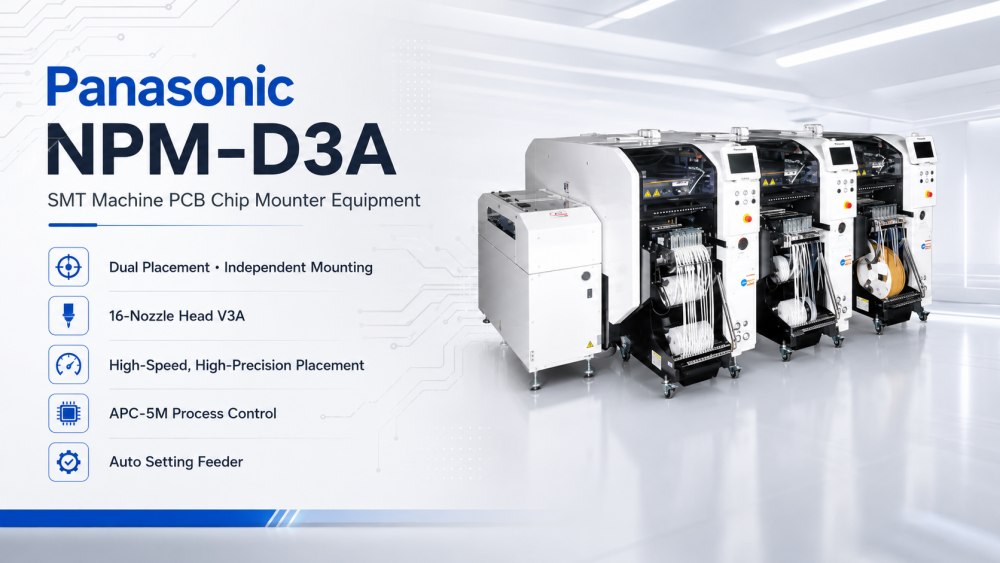
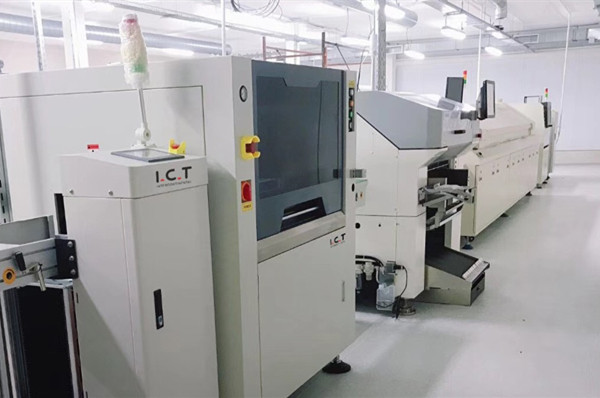
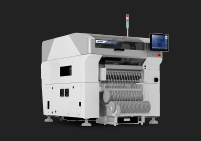
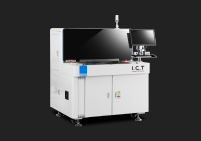
The LED Screen SMT Machine is used for mounting electronic components onto LED display PCBs and related control boards. Panasonic SMT placement equipment can help factories complete component mounting with better speed, accuracy, and production stability. It is suitable for LED screen modules, display control boards, power control boards, communication boards, and other electronic assemblies. In LED screen PCB production, stable placement is important because boards often need consistent soldering quality and clear inspection results. This machine can work with a stencil printer, SPI, reflow oven, AOI, PCB conveyors, and unloading equipment. For Customers building a LED display production line, it offers a practical way to improve SMT assembly efficiency.
Dual placement method for fully independent placement
Improved basic performance to realize high-speed, high-precision placement
5M* process control “APC-5M” for good production and stable operation
* 5M: The variable elements of a production site: huMan, Machine, Material, Method, and Measurement
Various skill-less and manpower-saving features including Auto Setting Feeder
| Specification
| Specification Item | NPM-D3A |
|---|---|
| PCB Dimensions (mm) | Dual lane mode: L 50 mm × W50 mm ~ L 510 mm × W 300 mm Single lane mode: L 50 mm × W50 mm ~ L 510 mm × W 590 mm |
| Placement Head Max Speed | 46,000 CPH (0.078 s / chip) 38,000 CPH (0.095 s / chip) |
| Placement Head Placement Accuracy (Cpk ≥ 1) | ±37 μm / chip±30 μm / chip |
| Component Dimensions | 0402 chip ~ L 100 × W 90 × T 28 |
| Maximum Number of Component Supply | 68 |
| Tape Width Calculation | 4 mm, 8 mm |
| SMT Line Equipment List
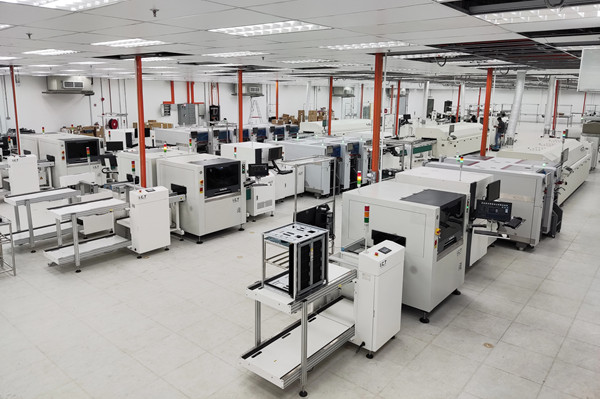
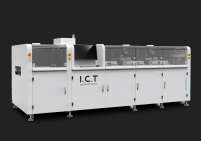
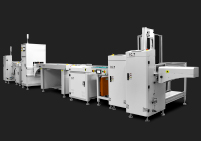
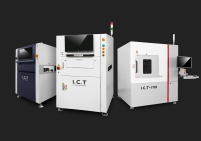
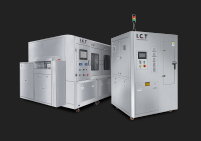
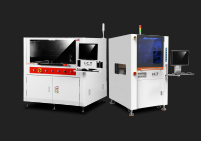
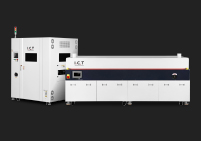
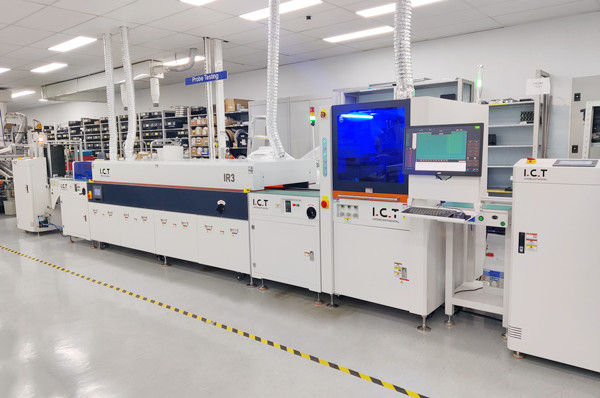
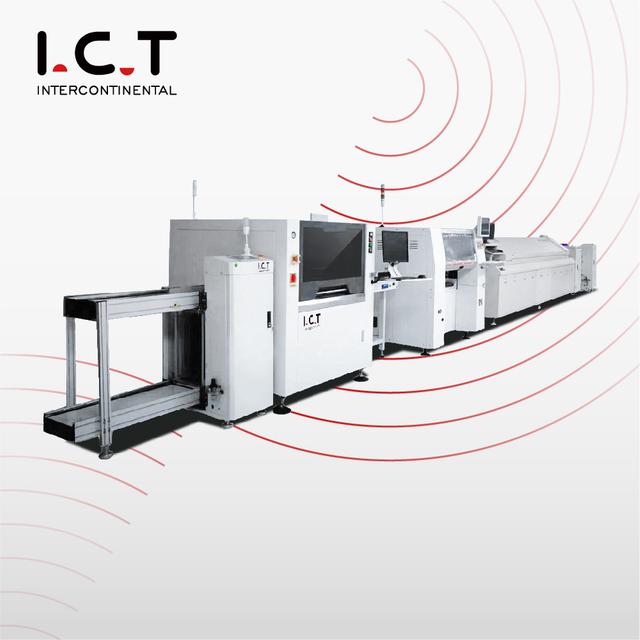
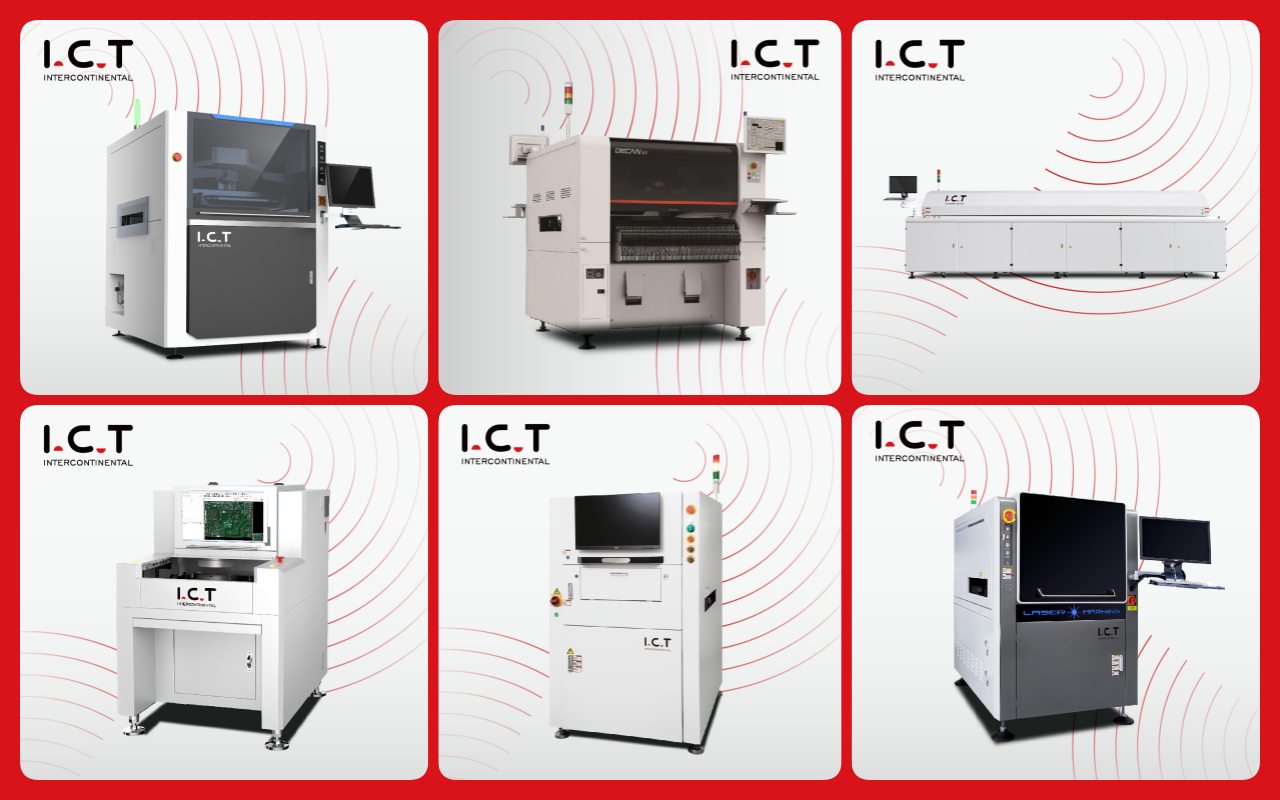
A LED Screen SMT Machine needs a complete process around it. I.C.T can provide SMT loader, automatic stencil printer, SPI inspection machine, PCB conveyor, Panasonic SMT Pick And Place Machine, reflow oven, AOI inspection machine, PCB router, PCBA cleaning machine, and unloader. In LED screen PCB assembly, solder paste printing must be stable, placement must be accurate, and reflow soldering must be well controlled. AOI then checks component position and soldering quality. PCB handling equipment keeps boards moving through the line with less manual contact. I.C.T helps Customers match these machines based on LED board size, production speed, factory layout, and inspection needs.
| Customer Success Video
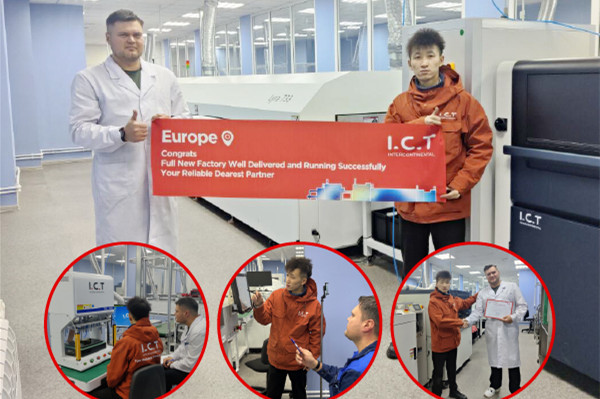
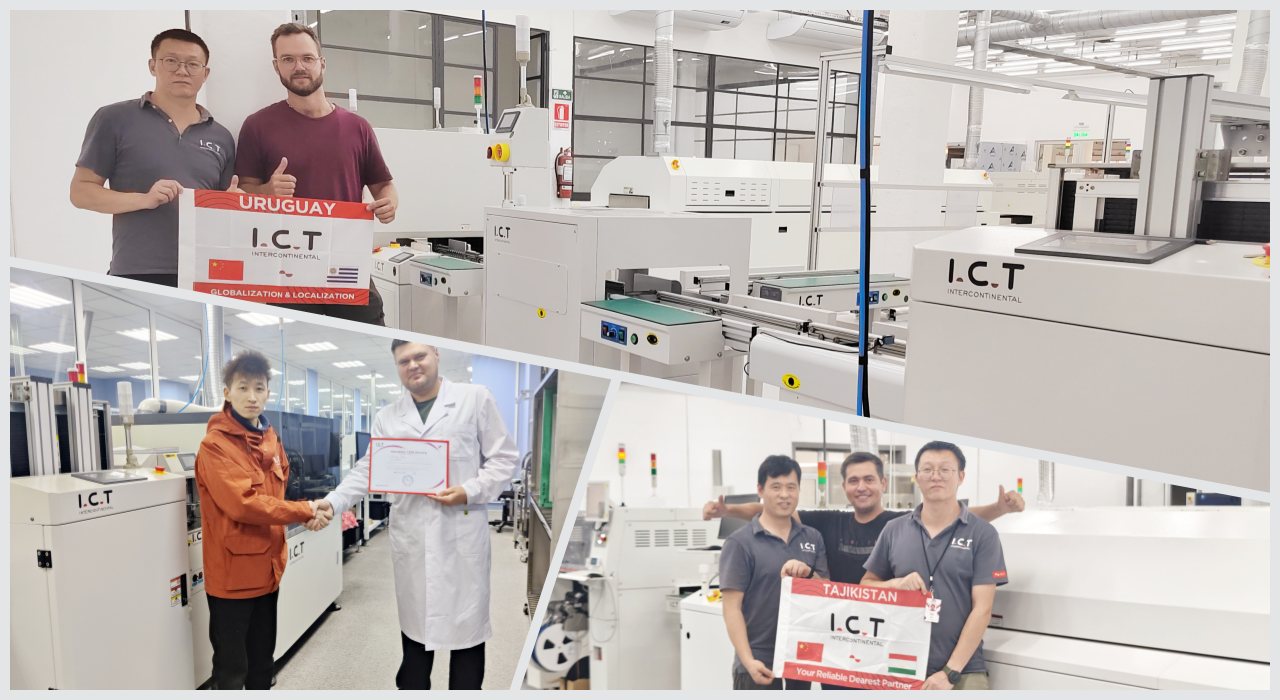
I.C.T supported a Customer in Uzbekistan for a large electronics manufacturing project. The factory was planned for computer motherboards, SSDs, memory-related products, and other electronic assemblies. I.C.T joined the project from early communication and helped the Customer through installation, debugging, and production testing. The SMT line included an I.C.T-5151 stencil printer, four SMT placement machines, Lyra series reflow ovens, SPI, AOI, and PCB handling systems. The DIP line included manual insertion, JUKI odd-form insertion equipment, I.C.T-Acrab350 wave soldering, and conveyor systems. After trial production, the Customer gave good feedback on I.C.T’s service response, machine quality, training support, and complete line solution.
| Service and Training Support
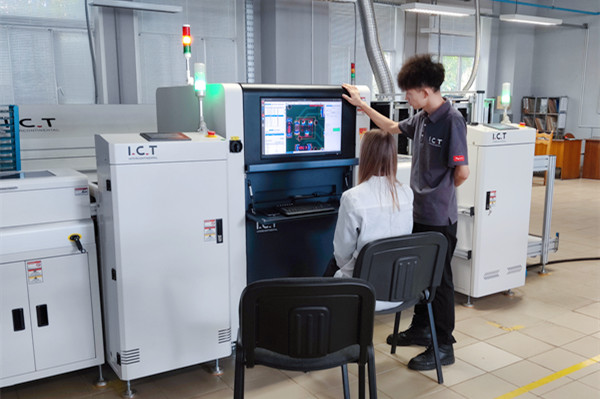
I.C.T supports LED screen and electronics Customers from line planning to production startup. Before the project begins, our team checks board size, LED module type, component list, production target, inspection points, workshop space, and operator experience. After the equipment arrives, engineers can guide line positioning, power and air checking, machine connection, software preparation, and first board testing. Training is arranged around the full SMT process. Operators learn how printing affects placement, how placement affects reflow, and how AOI data helps improve quality. For a SMT Machine For LED Screen PCB project, this support helps the Customer start production with clearer steps and fewer mistakes.
| Customer Feedback
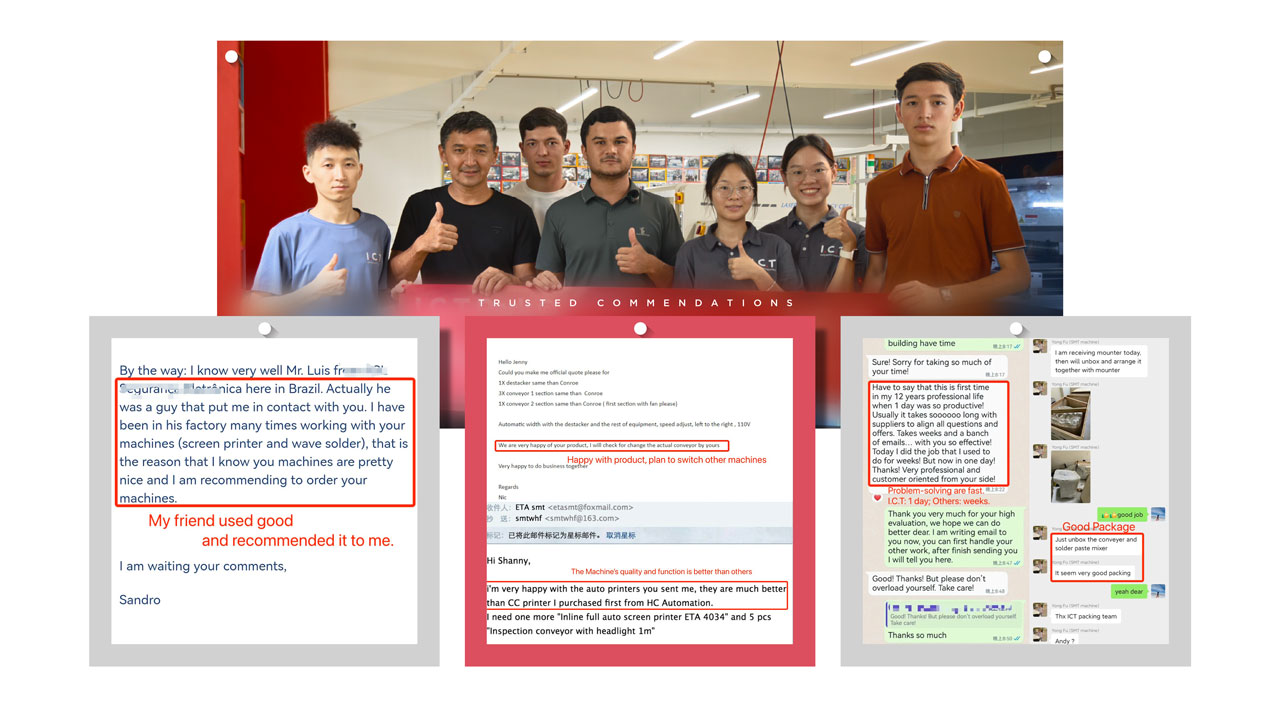
Customers in LED and electronics production usually care about three things: stable output, fast problem solving, and easy daily operation. I.C.T focuses on these points during full-line projects. When a Customer has a production issue, our engineers do not only check one machine. They review the process from solder paste printing to placement, reflow, inspection, and board transfer. This makes problem judgment more practical. Customers also value clear communication, careful training, and fast response during overseas installation. For a Pick And Place Machine For LED Display project, this support helps the local team understand the line faster and run production with more confidence.
| Certifications and Standards
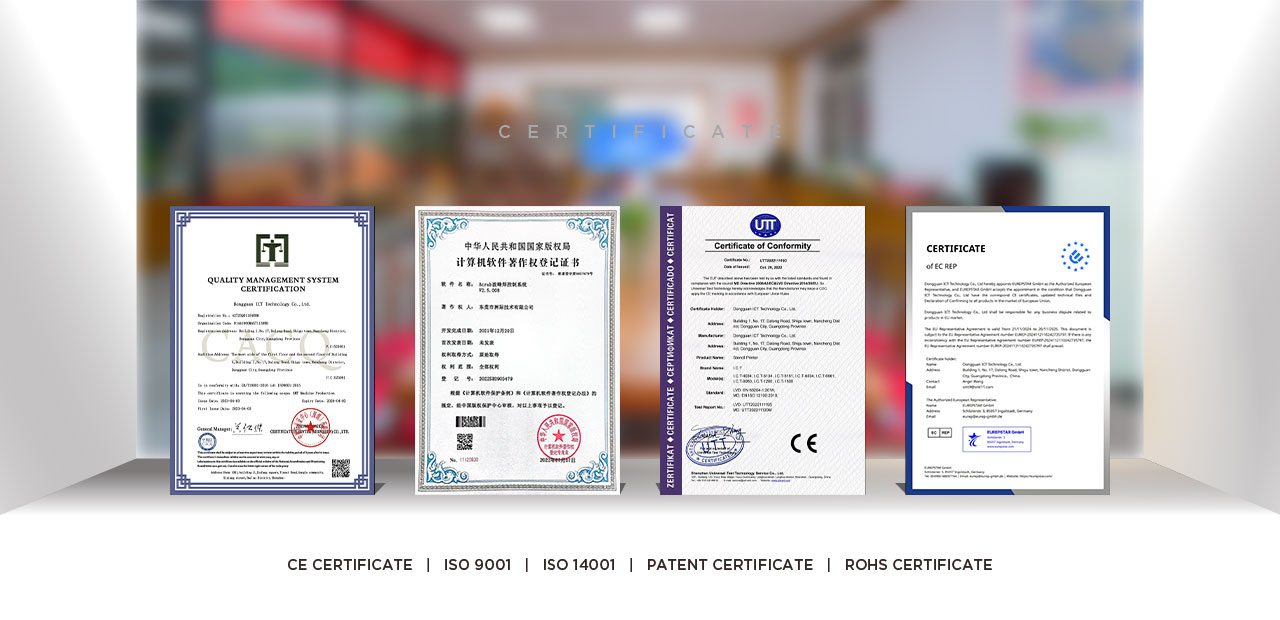
I.C.T prepares full SMT line projects with quality, safety, and delivery records in mind. The complete production line solution can support common documents such as CE, RoHS, ISO9001, and related patent materials. Before shipment, our team checks equipment condition, accessories, spare parts, cables, software files, packing lists, labels, and export packing protection. This is important for overseas Customers because LED screen production lines often include many machines and accessories. One missing part can delay installation. I.C.T uses careful packing and project checking to help the Customer receive a more complete line. Good preparation makes the installation stage smoother and easier to control.
| About I.C.T Company and Factory
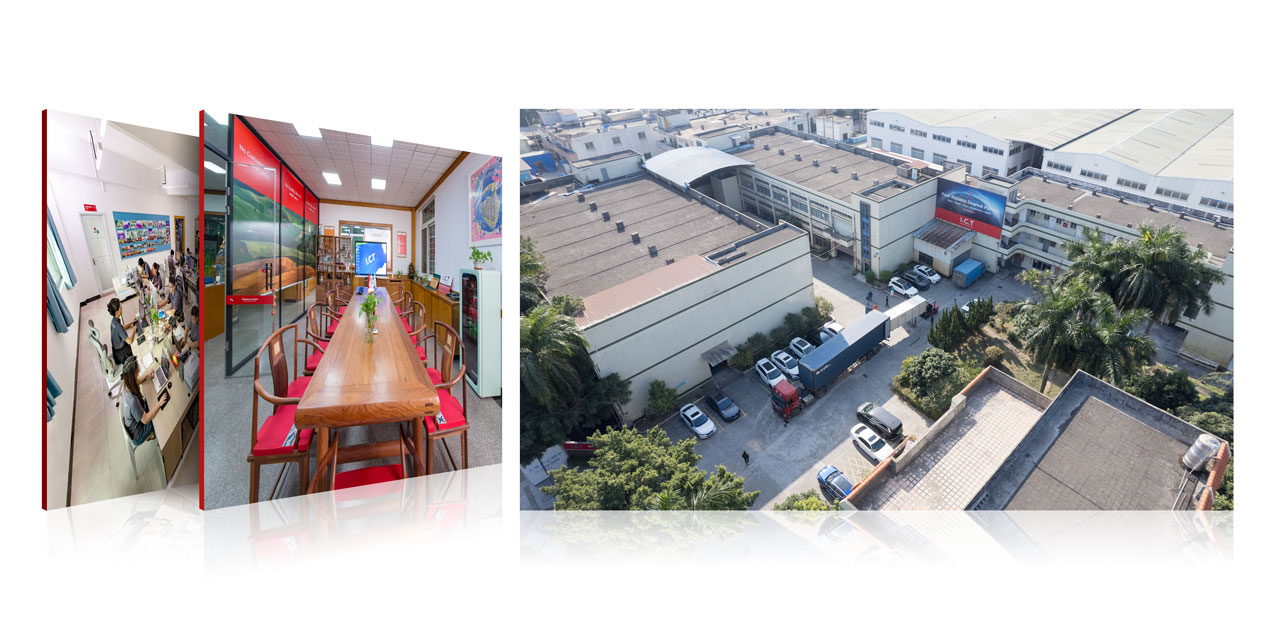
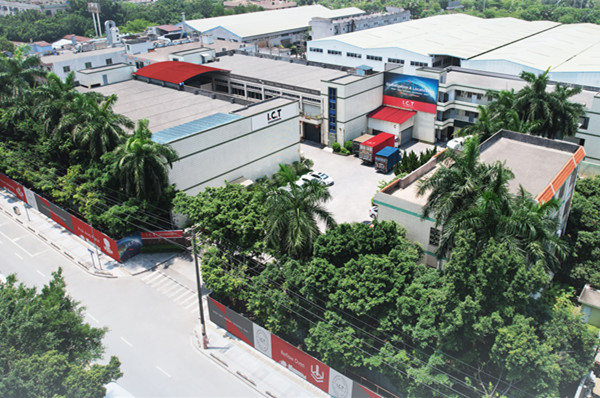
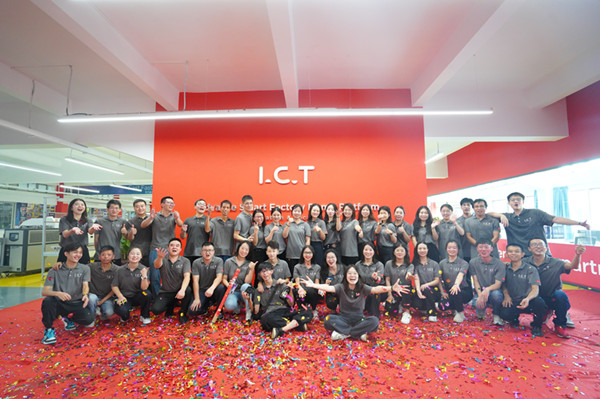
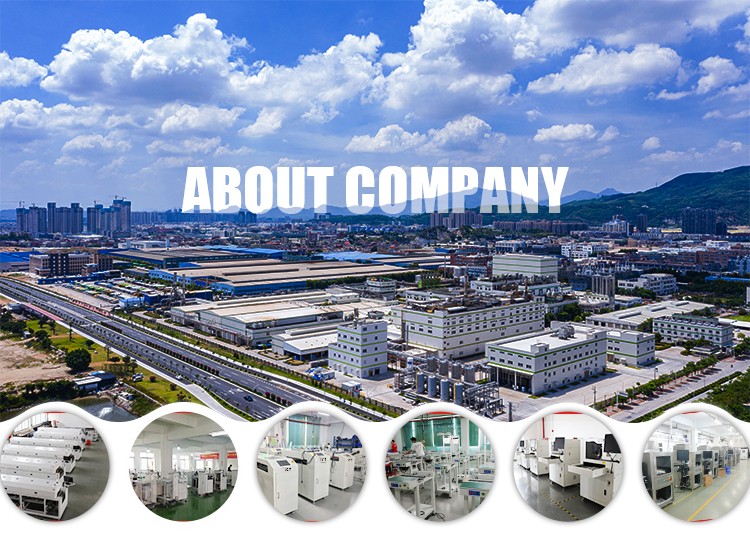
I.C.T provides one-stop production line solutions for SMT, DIP, coating, dispensing, soldering, inspection, and PCB handling. We have R&D, production, engineering, and after-sales teams, so we can support Customers from project planning to stable factory operation. I.C.T has served more than 1,700 Customers in over 80 countries. Our projects cover consumer electronics, automotive electronics, LED products, power products, communication products, industrial control, and computer-related manufacturing. The factory follows testing and quality management steps before delivery. For Customers building a new SMT line or upgrading capacity, I.C.T can provide line design, equipment matching, installation, training, testing, and long-term support.