English
Views: 0 Author: Vinci Zhang Publish Time: 2026-11-24 Origin: Site


On-site installation, product programming, and practical training for power regulator and temperature control board production.
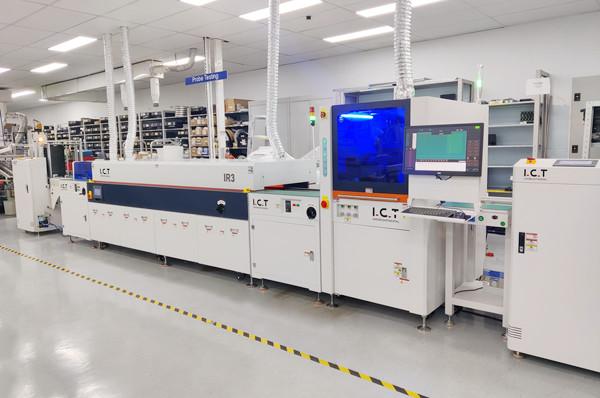
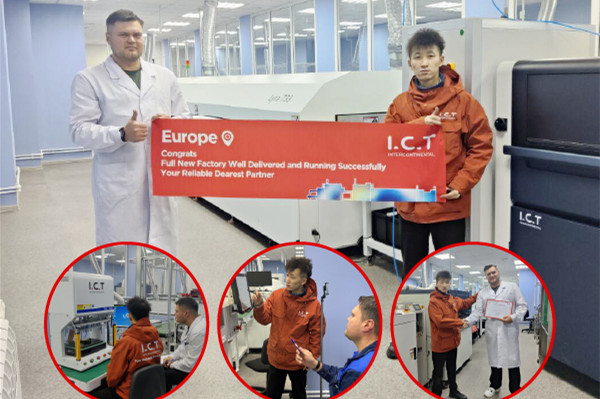
I.C.T delivered an SMT production line to a manufacturer in Egypt producing power regulators and temperature control boards. Following delivery, I.C.T sent an engineer to the factory to install and check the equipment, prepare production programs, and train the customer’s technical team using its own PCB assemblies.
The work covered the line from board loading through reflow soldering. It also included assistance with the customer’s existing offline AOI equipment, helping the team connect production setup with inspection and daily troubleshooting.

The customer manufactures electronic products for temperature regulation, Internet of Things applications, voltage protection, and power control. For this project, the production work focused on power regulator and temperature control boards.
The team included one experienced engineer and several new employees. Along with equipment installation, the customer needed practical training in product programming, machine operation, and maintenance. Training therefore centered on the boards the factory would actually produce, with time for employees to practice each task.
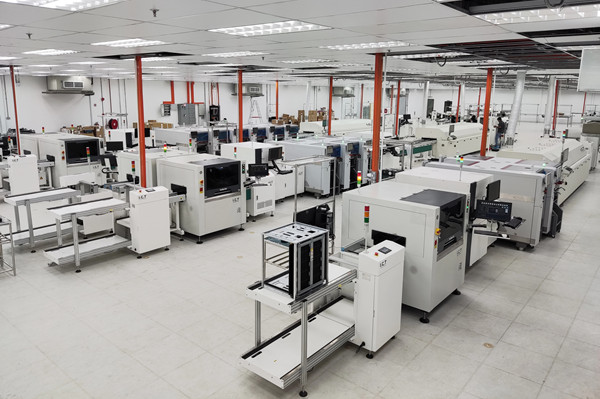
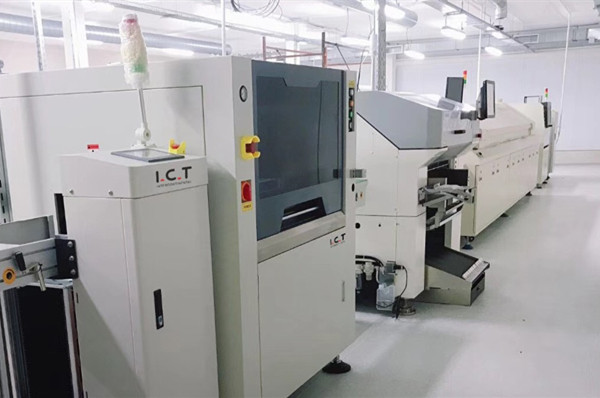
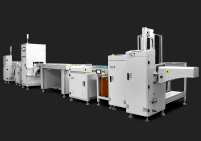
The line combined solder paste printing, solder paste inspection, component placement, and reflow soldering, with board handling equipment between processes.
Equipment | Model | Role in Production |
|---|---|---|
PCB loader | I.C.T-L330 | Feeds bare PCBs into the line |
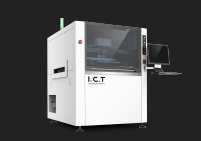
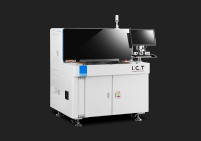
Automatic stencil printer | I.C.T-4034 | Prints solder paste onto PCB pads |
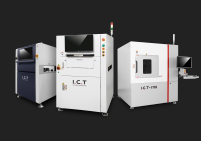
Solder paste inspection machine | I.C.T-S510 | Inspects solder paste deposits before placement |
Reject conveyor | I.C.T-RC1000L | Supports board separation following inspection |
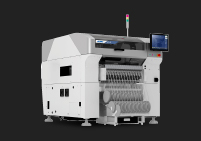
Pick-and-place machine | Hanwha DECAN S1 | Places surface-mount components |
PCB conveyor | I.C.T-C1000 | Transfers boards between machines |
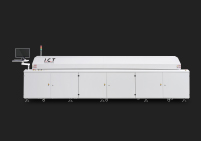
Reflow oven | I.C.T-L8 | Solders the placed components to the PCB |
The customer’s existing offline AOI was also included in the support work for post-reflow inspection.
The engineer began with checks before powering on the equipment. This included removing transport restraints from the printer and placement machine and connecting the SMEMA communication cables between machines.
Next came equipment leveling and board transfer checks. The engineer corrected an alignment issue that affected PCB transfer from the loader to the printer and adjusted the placement machine to address movement during operation. Power-on and reset checks then helped identify items requiring attention before production setup.
These checks established the conditions needed to move boards through the line and begin programming the customer’s products.
Using the customer’s BOM and coordinate files, the engineer prepared the placement programs, installed feeders according to their assigned positions, and adjusted component recognition images.
The work then extended to printer, SPI, and placement programs for a secondary board. During printing trials, a fine-pitch QFN component showed insufficient paste deposits and peaked paste shapes. The engineer identified stencil tension and aperture quality as possible contributors and recommended testing a replacement stencil with a nano-coating.
The engineer also reviewed the customer’s tab-routed PCB panels. Because the workshop did not have a router depaneling machine, I.C.T provided reference videos and recommendations for a suitable depaneling approach.

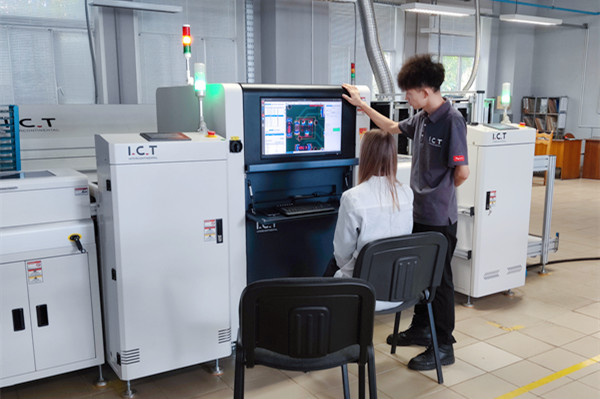
Training started with the loader and reject conveyor, covering their functions and operating sequences. The engineer then explained printer programming, software settings, and the functions of the relevant parameters.
SPI training covered programming both with and without Gerber files. After the demonstrations, the customer’s employees practiced the procedures themselves. The service report records that trainees independently carried out printing operations and SPI programming after training.
Placement training followed the same workflow the team would use when introducing a product. It covered preparing BOM and coordinate data, importing coordinates, creating fiducial marks, defining panel layouts, selecting component parameters, and optimizing the program.
The engineer also demonstrated component recognition image setup, nozzle selection, feeder size and pitch selection, and feeder position changes. Further sessions covered tray-fed components and recognition settings for irregular components.
During practice, the customer’s lead engineer independently completed placement programs and component recognition images. Production trials then provided an opportunity to learn how to respond to placement machine alarms while following the board through the line.
Reflow training covered startup and shutdown, temperature settings, and use of the oven software for reflow profile testing. The customer also learned to use software for combining BOM and coordinate data when preparing placement programs.
For the existing offline AOI, the engineer resolved a Y-axis servo alarm and created an inspection program for one of the customer’s products. Further adjustments reduced false calls during setup.
The older AOI software required additional learning time. I.C.T therefore arranged continued assistance: the customer could send board images and program files for programming support, followed by remote help with false-call adjustments.

After adjusting the main board program, the engineer completed two first-piece boards. A subsequent production run produced 140 main boards, allowing the customer’s team to practice machine operation and observe the production process with its own materials.
The run also gave the engineer an opportunity to follow equipment operation and reinforce troubleshooting procedures under actual production conditions.
By the end of the documented sessions, the customer’s team had practiced printing, SPI programming, placement program creation, component recognition setup, and reflow operation. The lead engineer had independently completed several programming tasks and gained experience handling placement alarms.
The installation and core training work gave the factory a working production setup and practical experience producing its boards. Remote AOI programming and adjustment support provided a clear next step for the inspection tasks that required further assistance.
For manufacturers planning a new SMT line, I.C.T can help connect equipment selection with installation, product setup, and operator training. Contact I.C.T to discuss your boards and production requirements.