English
 Views: 0 Author: Vinci Zhang Publish Time: 2026-10-05 Origin: Site


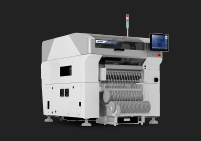
In the first week of September 2026, I.C.T began on-site installation and training for JUKI RS-1XL pick-and-place machines at an electrical control manufacturer in New Zealand. Following equipment delivery, an I.C.T engineer worked with the customer’s team to install three machines, prepare production programs, and run actual products. The service continued through September 18, with hands-on production support and training tailored to the factory’s existing workflow.
The customer manufactures electrical control products, including variable frequency drives. Its engineers already had experience with JUKI equipment and an established process for preparing PCB assembly programs. The new equipment needed to fit that process while supporting daily production.
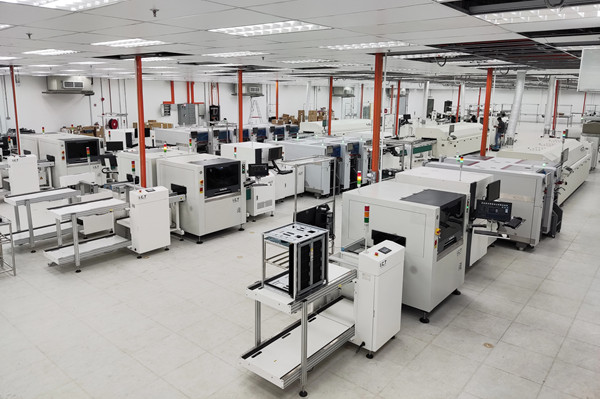
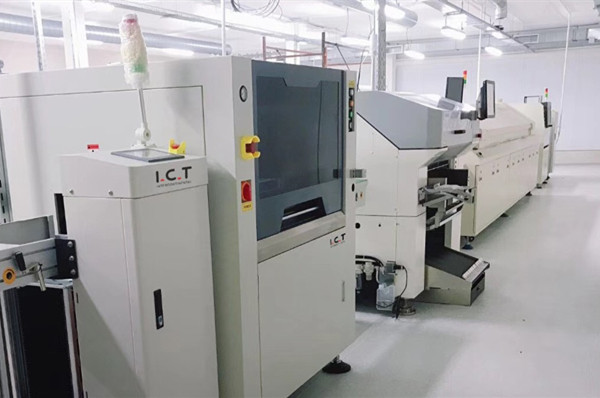
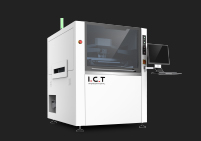
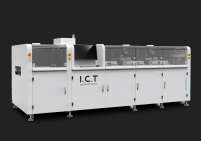
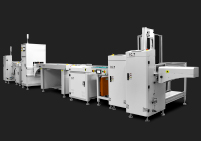
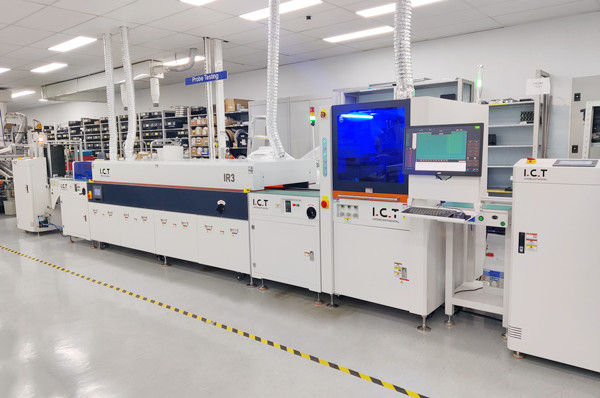
The project centered on three JUKI RS-1XL pick-and-place machines, with an MTC tray cabinet installed and configured during the visit. The engineer also helped integrate the placement machines with the customer’s stencil printer, PCB conveyors, reflow oven, and unloader.
The customer wanted to reuse existing component data and reduce feeder changes between products. These practical requirements shaped the software setup, program optimization, and training.

The visit began with the customer’s factory safety induction. The engineer then reviewed the proposed line layout with the production team and confirmed equipment positions and utility connections.
Working alongside the customer’s engineers, he installed and leveled the three placement machines and the MTC cabinet. After power was connected, he checked machine operation and parameter settings. When the conveyors arrived and the customer adjusted the layout, he realigned the machines and checked their alignment with the printer and reflow oven.
The engineer installed JaNets offline programming software and Flexline CAD, coordinated IP settings with the customer’s IT team, and connected the programming system to all three placement machines.
He then combined the customer’s bill of materials (BOM) and CAD data to create production programs. Existing component data from the older IS software was imported into the new database, with component settings checked and adjusted where required.
The CAD conversion setup was adapted to the files the customer already prepared. This allowed the team to use its established data preparation process with the new programming software.
The first production trials uncovered incorrect placement coordinates and missing component information. The engineer worked with the customer’s team to correct the coordinates, compare BOM versions, update the programs, and teach feeder pickup positions.
The three placement machines completed first-article production. Further checks and program revisions led to a successful first-article test and a 50-board trial batch. These checks helped resolve programming issues before larger batches were run.

To reduce feeder changes between products, the engineer helped establish a feeder-position database. Training covered grouping materials, assigning feeder positions, and using those positions during program optimization.
Operators also practiced selecting programs, setting PCB fiducial parameters, teaching feeder pickup positions, and changing and identifying nozzles. For tray-fed components, the engineer adjusted the MTC setup and trained operators to calibrate pickup positions and set the starting pickup point.
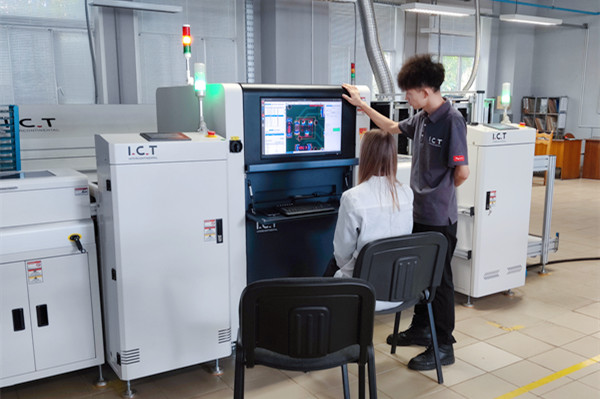
Training took place alongside actual production, giving operators opportunities to handle alarms with the engineer’s guidance. The approach was adjusted to match the responsibilities of the production lead and operators.
Maintenance instruction followed the JUKI manual and covered daily, weekly, monthly, and quarterly tasks. Topics included nozzle cleaning, internal cleaning, rail lubrication, and maintenance of the placement head and nozzle exchange unit.
The engineer also assisted with cleaning and fault diagnosis on older JUKI machines. Where repairs required replacement parts or further calibration, he explained the findings and next steps to the customer.

The I.C.T engineer supported trial production using the customer’s actual products, checked machine operation, and fine-tuned the placement programs. During these runs, he guided the team through material preparation, production checks, and equipment alarms, helping them become familiar with the new machines under normal working conditions.
By that stage, the production lead could prepare programs and manage changeovers, while operators were handling equipment alarms more confidently. The final September 18 entry recorded that the customer had been using the equipment normally over the previous two days, with smooth operation and no reported abnormalities.
The visit brought the new JUKI placement equipment into regular use and gave the customer’s team practical experience with programming, feeder setup, tray handling, and maintenance. For this New Zealand manufacturer, I.C.T’s technical support connected equipment installation with the work needed to keep production moving.