English
Views: 0 Author: Site Editor Publish Time: 2026-03-09 Origin: Site
Are you ready to elevate your electronics manufacturing? Upgrading to a fully automated PCBA line could be a game-changer.
PCBA, or Printed Circuit Board Assembly, is vital for creating reliable electronic devices. A fully automated PCBA line streamlines production, enhances efficiency, and improves quality.
However, several key factors must be considered before making this significant investment. In this post, you’ll learn what to evaluate to ensure a successful transition to automation.
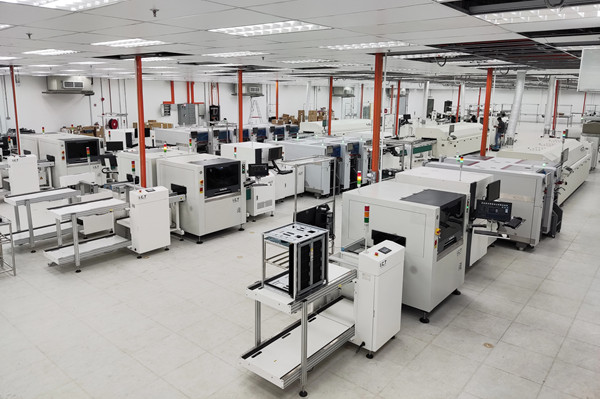
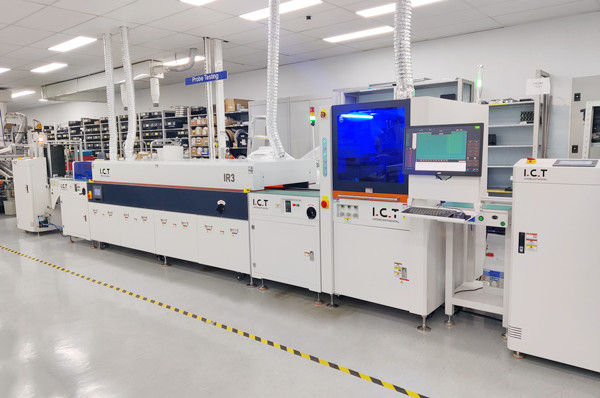
An automated PCBA line refers to a fully integrated system designed for the assembly of printed circuit boards. This setup streamlines various processes, reducing the need for manual intervention.
So, what makes up an automated PCBA line? Here are the key components:
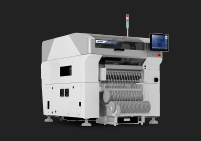
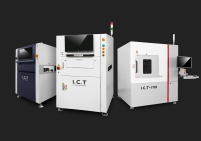
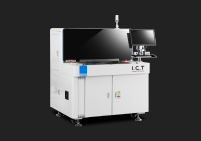
● Pick-and-Place Machines: These machines accurately position components onto the PCB. They enhance speed and precision, ensuring every part is placed correctly.
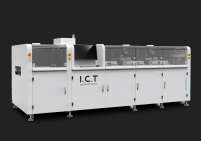
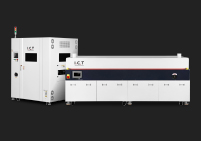
● Soldering Equipment: This includes reflow ovens and selective soldering machines. They ensure strong electrical connections, critical for device reliability.
● Inspection Systems: Automated optical inspection (AOI) systems check for defects. They help catch issues early, maintaining high quality in production.
Automating your PCBA line offers numerous advantages. Here’s how it can transform your production process:
● Increased Production Efficiency and Speed: Automated systems can operate continuously, significantly boosting output. For instance, a fully automated line can produce thousands of PCBs daily, far surpassing manual methods.
● Enhanced Precision and Quality Control: Automation minimizes human error. Machines operate with high accuracy, often achieving tolerances of ±0.02 mm. This precision leads to fewer defects and higher-quality products.
● Reduction in Labor Costs and Human Error: By automating repetitive tasks, labor costs decrease. Companies can reallocate personnel to more strategic roles, reducing the risk of mistakes that often occur in manual processes.
● Scalability and Flexibility in Production: An automated PCBA line can easily adapt to varying production demands. Whether you need to increase output or switch to a different product, automated systems can adjust quickly.
To better understand the components, let’s take a closer look at how they fit together in a typical automated PCBA line:
Component | Function | Benefits |
Pick-and-Place Machines | Place components on PCBs | High speed, accuracy |
Soldering Equipment | Create electrical connections | Reliable, strong joints |
Inspection Systems | Detect defects and ensure quality | Early problem detection, reduced rework |
Software Control Systems | Manage and optimize production | Real-time monitoring, data analytics |
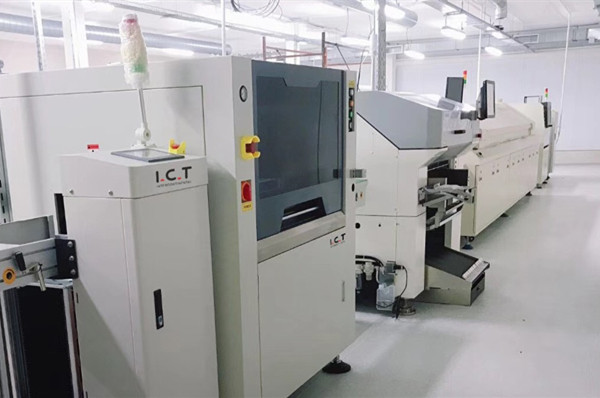
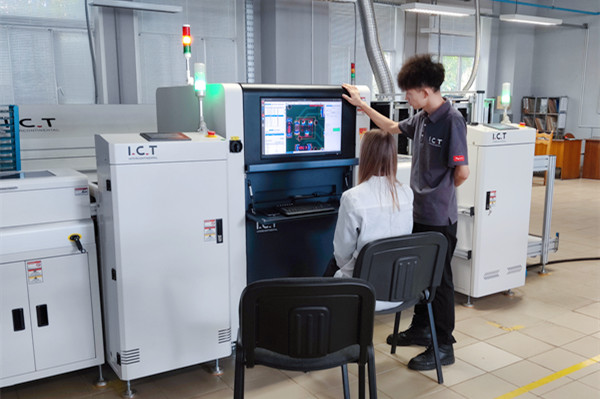
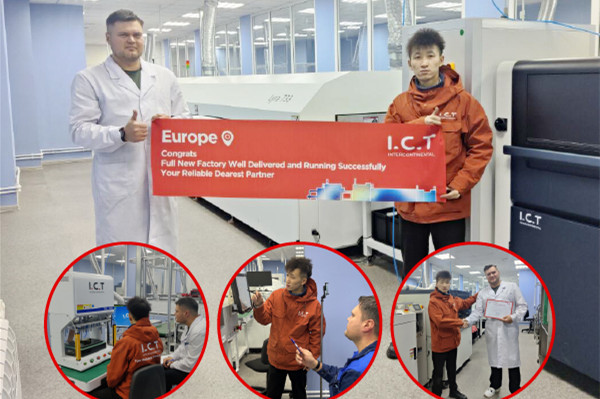
These components work in harmony, creating a seamless production environment. Companies like I.C.T have successfully implemented such systems, achieving remarkable efficiency and quality in their manufacturing processes.
In conclusion, understanding automated PCBA lines is crucial for any business considering an upgrade. The integration of advanced technologies not only enhances production capabilities but also positions companies for future growth. Exploring these benefits can provide valuable insights into making informed decisions about automation.
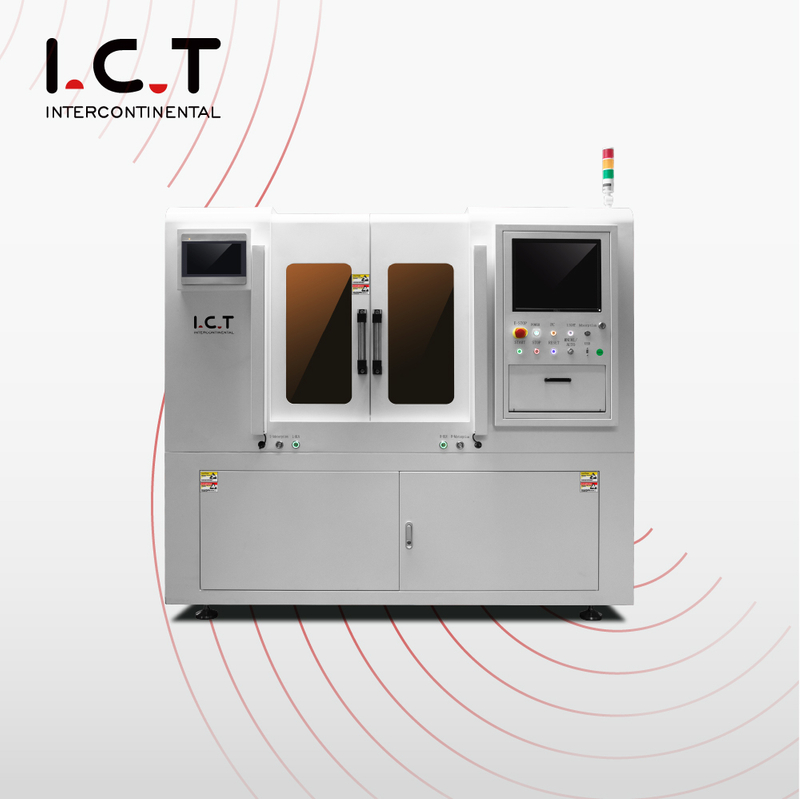
Before deciding to upgrade your PCBA line, it’s essential to thoroughly evaluate your current production setup. This assessment will help you determine if automation is the right path for your business. Consider the following questions:
● What is your current production volume? Understanding your existing output is crucial. For example, if you're currently producing 5,000 units per month, assess whether this meets your market demand or if there is room for growth.
● How does this volume compare to future projections? If your production volume is expected to rise significantly—say, a 30% increase in demand over the next year—an automated line could help you scale efficiently.
● Are there specific quality issues or bottlenecks? Identify any recurring problems in your current process. For instance, if you frequently encounter delays due to manual assembly errors, automation can streamline workflows and enhance quality.
These considerations are not just about numbers; they reflect your operational capabilities and market position. If your production is already strained, automation might be the solution to maintain competitiveness.
Upgrading to an automated PCBA line involves a considerable financial commitment. Understanding the costs involved is vital to making an informed decision. Here’s a comprehensive breakdown:
● Cost Breakdown:
○ Equipment Purchase: This includes essential machinery such as pick-and-place machines, soldering systems, and inspection equipment. The cost can vary widely based on the technology and features you choose.
○ Installation and Setup Expenses: These costs cover the installation of new equipment, which may require specialized technicians.
○ Training Costs: Staff will need training to operate and maintain the new systems effectively. This investment in human capital is crucial for maximizing the benefits of automation.
A typical automated line can range from $100,000 to over $500,000, depending on complexity and capabilities. Here’s a more detailed look at potential costs:
Cost Component | Estimated Range |
Equipment Purchase | $100,000 - $500,000 |
Installation | $10,000 - $50,000 |
Training | $5,000 - $20,000 |
Looking beyond the initial investment is essential. Consider the long-term implications of your upgrade:
● Long-term Costs: Maintenance, periodic training refreshers, and potential downtime due to equipment failures can add up over time. It's important to factor in these ongoing expenses when evaluating your budget.
● Potential Savings: Increased efficiency and reduced waste can significantly offset these costs. For instance, many companies report a 20-30% reduction in labor costs after implementing automation, which can improve your overall TCO.
Calculating ROI for an automated PCBA line is crucial to understanding the financial benefits of your investment. Here’s how to approach it:
● Calculate ROI:
○ To determine ROI, compare the total cost of investment against the financial benefits gained from improved efficiency and reduced defects. A simple formula is:
$$ \text{ROI} = \frac{\text{Net Profit from Investment}}{\text{Cost of Investment}} \times 100 $$
● Factors Influencing ROI:
○ Production Efficiency: An automated line can increase production rates significantly, leading to higher output. For example, if automation allows you to produce 7,500 units instead of 5,000, that’s a substantial increase.
○ Defect Rates: Lower defect rates mean fewer reworks and scrap costs. If automation reduces defects by 15%, this translates into direct savings.
○ Labor Savings: Automation reduces the need for manual labor, allowing you to reallocate resources to more strategic tasks. This not only cuts costs but also enhances productivity.
To illustrate, if an automated line increases production by 50% while cutting defect rates by 20%, the savings can quickly justify the initial investment. For instance, if your current defect rate costs you $50,000 annually, reducing it by 20% saves you $10,000 each year.
By carefully assessing production needs, analyzing costs, and calculating potential ROI, businesses can make informed decisions about upgrading to a fully automated PCBA line. This strategic approach ensures that the transition to automation aligns with both immediate needs and long-term goals.
When upgrading to a fully automated PCBA line, ensuring compatibility with your existing systems is crucial. Here are some key points to consider:
● Integration with Current Processes: New equipment must work seamlessly with your existing machinery. Evaluate how the new systems will connect and communicate with your current setup. This might involve assessing interfaces and data exchange protocols.
● Importance of Equipment Compatibility: Compatibility reduces the risk of operational disruptions. If new machines cannot communicate effectively, it can lead to delays and increased costs.
For instance, if you have a legacy pick-and-place machine, check if the new equipment can integrate without requiring extensive modifications.
Choosing the right technologies and equipment is vital for maximizing the benefits of automation. Here are some key technologies to consider:
● Selective Soldering: This technology allows for precise soldering of specific components, reducing excess solder and improving overall quality.
● Automated Inspection Systems: Ensuring quality control is essential. Automated optical inspection (AOI) systems can quickly identify defects, helping maintain high standards.
● High-Precision Equipment: Brands like I.C.T offer advanced solutions tailored for the electronic manufacturing process. Their equipment is designed to enhance efficiency and accuracy, making them a strong choice for your automated PCBA line.
Here's a quick comparison of some key technologies:
Technology Type | Benefits | Example Brands |
Selective Soldering | Reduces solder waste, improves quality | I.C.T, Juki |
Automated Inspection | Identifies defects quickly, enhances quality control | Omron, Mirtec |
Pick-and-Place Machines | Increases placement speed and accuracy | Yamaha, Panasonic |
The role of software in an automated PCBA line cannot be overstated. Here’s why it matters:
● Importance of MES: Manufacturing Execution Systems (MES) are critical for managing production processes. They provide real-time data on operations, enabling better decision-making and efficiency improvements.
● Monitoring and Control: Effective software solutions allow for monitoring the entire production line. This includes tracking machine performance, production rates, and quality metrics.
For example, an MES can alert you to potential issues before they escalate, allowing for quick interventions that save time and resources.
Software Function | Purpose | Benefits |
Real-time Monitoring | Tracks production metrics | Increases efficiency |
Data Analysis | Identifies trends and areas for improvement | Supports decision-making |
Alerts and Notifications | Notifies operators of issues | Reduces downtime |
By carefully considering compatibility, selecting the right technologies, and implementing robust software solutions, you can ensure a successful transition to a fully automated PCBA line. These technical considerations are essential for maximizing the benefits of automation and enhancing your overall production capabilities.

Upgrading to a fully automated PCBA line requires a skilled workforce capable of operating and maintaining advanced systems. Training is crucial for several reasons:
● Importance of Training Staff: Automation introduces new technologies that can be complex. Without proper training, employees may struggle to adapt, leading to inefficiencies. For example, operators need to understand how to troubleshoot equipment and interpret data from automated systems.
● Strategies for Upskilling: Companies should implement targeted training programs. Here are some effective strategies:
○ Hands-On Workshops: Practical sessions allow staff to interact directly with new equipment, enhancing their understanding.
○ Online Learning Modules: E-learning platforms can provide flexible training options, allowing employees to learn at their own pace.
○ Cross-Training: Encourage employees to learn multiple roles within the production process. This not only increases versatility but also fosters teamwork.
Training Strategy | Description | Benefits |
Hands-On Workshops | Practical experience with new equipment | Increases confidence |
Online Learning Modules | Flexible, self-paced learning | Accessible training |
Cross-Training | Learning multiple roles | Enhances teamwork |
Transitioning from manual to automated processes involves more than just technology; it’s about managing people effectively during the change. Here’s how to approach it:
● Managing the Transition: Change can be daunting for employees. Clear strategies can ease this process. Start by involving your team early in the transition. This can help them feel valued and included in the changes.
● Importance of Communication: Open lines of communication are essential. Regular updates about the upgrade process can alleviate concerns. Consider holding town hall meetings or smaller group discussions to address questions and gather feedback.
● Providing Support: Support systems are vital during this transition. Offering resources such as counseling or mentorship can help employees adjust. For instance, pairing less experienced workers with seasoned operators can facilitate knowledge transfer and build confidence.
Change Management Aspect | Approach | Benefits |
Involvement | Engage employees in the planning process | Increases buy-in |
Communication | Regular updates and feedback sessions | Reduces anxiety |
Support Systems | Mentorship and counseling | Eases transition |
By focusing on training and effective change management, companies can ensure a smoother transition to a fully automated PCBA line. Investing in your workforce not only enhances productivity but also fosters a culture of continuous improvement. This approach positions your team to thrive in an automated environment, ultimately benefiting the entire organization.
Upgrading to a fully automated PCBA line involves several key considerations.
Evaluate current production needs, costs, and technical factors.
Training and change management are essential for a smooth transition.
Weigh the pros and cons carefully before making a decision.
The future of automated PCBA production looks promising, with efficiency and quality improvements on the horizon.