English
Views: 0 Author: Site Editor Publish Time: 2026-03-13 Origin: Site
Have you ever wondered what makes a circuit board truly reliable? In the world of electronics manufacturing, PCBA (Printed Circuit Board Assembly) is crucial for device performance. The quality of PCBA production directly impacts the reliability of electronic products.
In this article, we will explore the equipment that plays a vital role in ensuring high-quality PCBA production. You'll learn about the key machines involved and how they influence the overall quality of electronic assemblies. Join us as we uncover which equipment has the most significant impact on PCBA production quality.
PCBA stands for Printed Circuit Board Assembly. It's the process of mounting electronic components onto a PCB to create a functional unit. This assembly is critical for the performance of electronic devices, as it connects various components, allowing them to communicate effectively.
Key Components of PCBA:
● PCB: The foundation, made of insulating material with conductive pathways.
● Electronic Components: Resistors, capacitors, integrated circuits, and connectors.
● Solder Joints: These connect component leads to the PCB pads, ensuring electrical connectivity.
It's important to differentiate between PCB and PCBA. A PCB is just a bare board, while PCBA includes all the electronic components assembled on it. Simply put, PCBA is what makes a PCB operational.
The PCBA production process involves several critical steps. Each step is essential for ensuring the final product meets quality standards. Here's a breakdown of the key stages:
1. Incoming Quality Control (IQC)
● This is the first line of defense against defects. Incoming materials, such as PCBs and components, are inspected for quality.
● Any issues found here can prevent problems later in the production process.
2. Solder Paste Printing
● Solder paste is applied to specific areas of the PCB using a stencil. This paste is crucial for creating strong solder joints.
● Accurate printing ensures the right amount of solder is used, reducing defects.
3. SMT (Surface Mount Technology) Assembly
● Components are placed on the PCB using automated pick-and-place machines. Precision is key here.
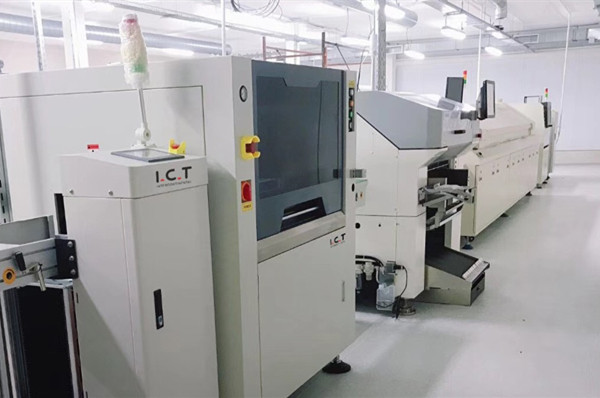
● High-speed placement machines, like those from I.C.T, enhance efficiency and accuracy.
4. Reflow Soldering
● The PCB passes through a reflow oven where the solder paste melts and solidifies, forming connections.
● Temperature profiles must be carefully controlled to avoid issues like cold solder joints.
5. Through-Hole Technology (THT)
● For components with leads, THT involves inserting leads through holes in the PCB and soldering them.
● This method is often used for larger components requiring stronger mechanical connections.
6. Quality Inspection and Testing
● Various inspection methods, including Automated Optical Inspection (AOI) and In-Circuit Testing (ICT), are employed.
● These tests ensure that components are correctly placed and soldered.
7. Final Assembly (Box Build)
● The PCBA is integrated into its final enclosure, completing the product.
● This stage often includes additional testing to verify functionality.
Here's a quick overview of the production steps:
Step | Purpose |
Incoming Quality Control (IQC) | Inspects incoming materials for defects |
Solder Paste Printing | Applies solder paste accurately |
SMT Assembly | Places components on the board |
Reflow Soldering | Melts solder to create connections |
Through-Hole Technology (THT) | Soldering components with leads |
Quality Inspection and Testing | Ensures correct assembly and functionality |
Final Assembly (Box Build) | Integrates PCBA into the final product |
Each of these steps plays a pivotal role in the overall quality of PCBA production. A single misstep can lead to significant quality issues down the line. By focusing on each stage, manufacturers can ensure that the final product meets the high standards expected in today’s competitive electronics market.
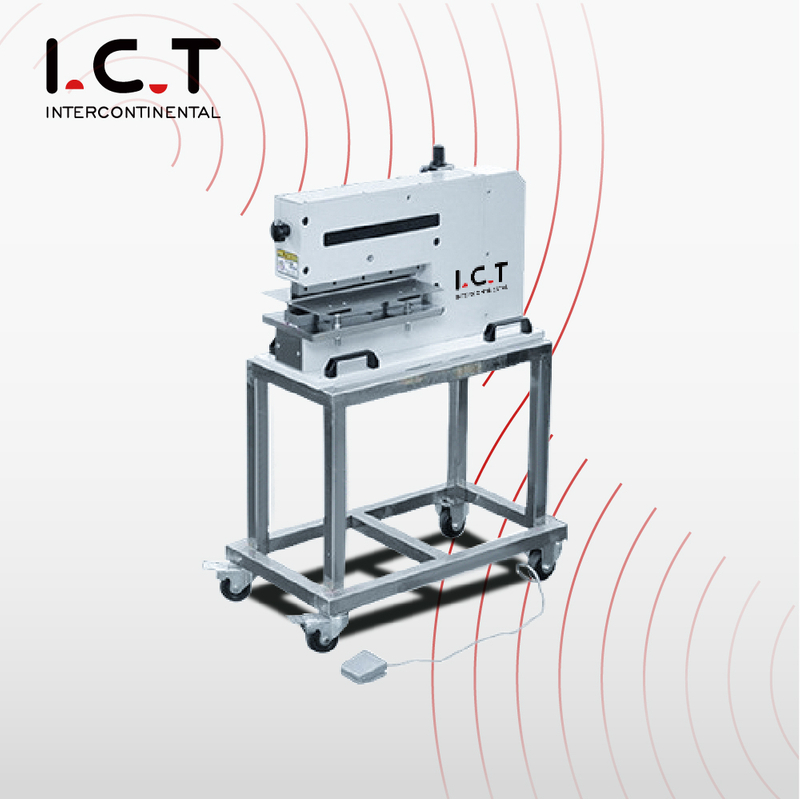
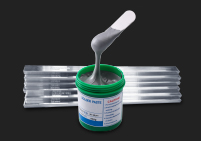
The solder paste printer is a crucial piece of equipment in PCBA production. It applies solder paste to the PCB before components are placed. The quality of this application significantly influences solder joint integrity.
How It Influences Solder Joint Quality:
● Accurate Application: Properly applied solder paste ensures strong connections.
● Volume Control: Too much or too little paste can lead to defects.
Common Issues:
● Misalignment: If the stencil is misaligned, it can lead to insufficient or excess paste.
● Clogged Stencils: This can cause uneven application, affecting solder joint quality.
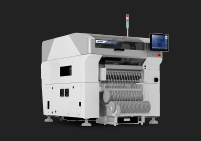
Pick-and-place machines play a vital role in accurately positioning components on the PCB. Their precision directly impacts the overall assembly quality.
Functionality and Importance:
● High-Speed Placement: These machines can place thousands of components per hour.
● Component Accuracy: High precision reduces the risk of defects.
Potential Pitfalls:
● Misalignment: If components aren’t placed correctly, it can lead to functional failures.
● Tombstoning: This occurs when one side of a component lifts off the PCB during soldering, often due to uneven heating.
Leading brands like JUKI are known for their high-precision placement technologies, which enhance the reliability of PCBA production.
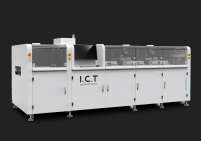
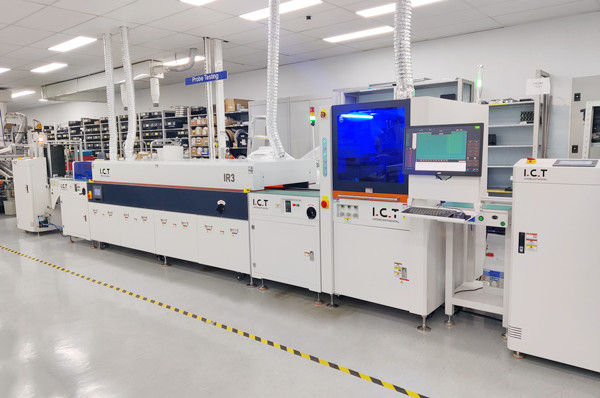
Reflow ovens are essential for the soldering process. They heat the PCB to melt the solder paste, creating strong connections.
Importance of Thermal Profiles:
● Controlled Heating: Proper thermal profiles ensure even heating across the PCB.
● Avoiding Defects: Inconsistent temperatures can lead to cold solder joints or bridging.
Effects of Improper Heating:
● Cold Solder Joints: These can result in weak connections.
● Solder Bridges: Excessive heat can cause solder to flow between adjacent pads.
I.C.T's advanced reflow ovens are designed to maintain consistent quality. They feature precise temperature control to ensure optimal soldering conditions.
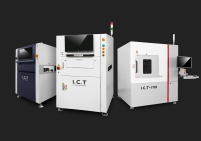
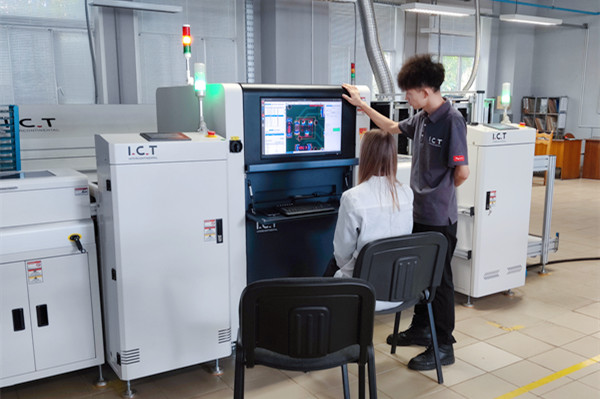
AOI systems are critical for quality control in PCBA production. They inspect the assembled boards for defects.
Purpose and Function:
● Defect Detection: AOI systems can identify issues such as misplaced components and solder defects.
● Speed and Efficiency: They provide rapid inspection, which is vital for high-volume production.
Types of Defects Detected:
● Component Misalignment: Detects if components are not correctly positioned.
● Solder Issues: Identifies insufficient solder or solder bridges.
Incorporating AOI into the production line enhances overall quality assurance. I.C.T's AOI systems are particularly noted for their high detection rates, ensuring fewer defects reach the final product.
X-ray inspection is essential for identifying hidden defects in complex assemblies. It complements AOI by providing insights into areas that are not visible.
Importance of X-Ray Inspection:
● Hidden Defects: It can reveal issues like voids in solder joints and internal connections.
● Complex Assemblies: Particularly useful for inspecting BGAs (Ball Grid Arrays) and other densely packed components.
Common Issues Detected:
● Voids: These can weaken solder joints and affect reliability.
● Misaligned Connections: Ensures that all internal connections are intact.
I.C.T’s X-ray systems are vital for maintaining quality in complex assemblies. They provide detailed imaging that helps manufacturers catch defects early.
Equipment | Role | Common Issues |
Solder Paste Printer | Applies solder paste | Misalignment, clogged stencils |
Pick-and-Place Machines | Places components accurately | Misalignment, tombstoning |
Reflow Ovens | Melts solder paste for connections | Cold solder joints, solder bridges |
Automated Optical Inspection | Inspects for defects | Misalignment, solder issues |
X-Ray Inspection Equipment | Detects hidden defects | Voids, misaligned connections |
Each piece of equipment plays a pivotal role in ensuring high-quality PCBA production. By understanding their functions and potential pitfalls, manufacturers can significantly enhance the reliability of their electronic products.
In PCBA production, the interaction between different machines is crucial for achieving high-quality results. Each piece of equipment has its specific role, but they must work in harmony to ensure the entire production process runs smoothly.
Key Interactions:
● Solder Paste Printers and Pick-and-Place Machines:
The printer applies solder paste, which the pick-and-place machine uses to position components accurately. If the paste application is off, it can lead to misalignment during placement.
● Pick-and-Place and Reflow Ovens:
Once components are placed, they must be soldered. The reflow oven relies on the correct placement of components to ensure that solder joints form properly. Any errors in placement can lead to weak connections.
● Inspection Systems and Final Assembly:
Automated Optical Inspection (AOI) systems check for defects after assembly. If an issue is detected, it can prevent defective boards from moving to the final assembly stage, saving time and resources.
Importance of Seamless Integration:
● A seamless integration of equipment ensures that each step feeds into the next without any bottlenecks. This reduces downtime and enhances overall efficiency.
● High-quality data exchange between machines can lead to better decision-making and quicker adjustments during production.
Examining successful PCBA production lines reveals how optimized equipment can lead to improved quality and efficiency.
Example 1: I.C.T’s Implementation
● I.C.T has implemented a fully integrated production line that includes advanced solder paste printers, high-speed pick-and-place machines, and state-of-the-art reflow ovens.
● This integration has led to a 30% increase in production speed while maintaining a defect rate below 0.5%. Their customers report higher reliability in final products.
Example 2: A Leading Electronics Manufacturer
● A major electronics manufacturer faced significant quality issues due to poor communication between their AOI systems and reflow ovens. Components were often misaligned, leading to increased rework.
● By upgrading to a fully integrated system, they reduced defects by 40% and improved overall production efficiency.
Lessons Learned:
● Communication is Key: Ensuring that machines communicate effectively can prevent errors and improve quality.
● Continuous Monitoring: Regularly checking the performance of each piece of equipment helps identify issues before they escalate.
Case Study | Key Improvements | Results |
I.C.T’s Integrated Production Line | Enhanced integration of equipment | 30% increase in speed, 0.5% defect rate |
Major Electronics Manufacturer | Upgraded AOI and reflow systems | 40% reduction in defects |
These examples highlight the importance of interconnected equipment in PCBA production. By focusing on integration and communication, manufacturers can significantly enhance their production quality and efficiency.

Selecting the right equipment for PCBA production is crucial. The choices you make can significantly impact the quality of your final products. Here are some key factors to consider:
1. Accuracy and Stability:
● Precision Matters: Equipment must deliver accurate results consistently. For example, a solder paste printer with high precision ensures the right amount of paste is applied, reducing defects.
● Stable Performance: Look for machines that maintain performance over time, even under varying production conditions.
2. Speed Considerations:
● Production Efficiency: High-speed machines can enhance throughput. However, speed should not compromise quality. Balancing speed and accuracy is essential for a successful production line.
3. Manufacturer Reputation and Support:
● Research Brands: Choose reputable manufacturers known for reliability. Brands like I.C.T and JUKI are recognized for their robust support and quality equipment.
● After-Sales Support: Ensure the manufacturer provides excellent customer service. Quick support can minimize downtime and keep production running smoothly.
Once you've selected the right equipment, maintaining it is vital for ensuring consistent quality in PCBA production. Regular maintenance helps prevent unexpected breakdowns and keeps machines operating at peak performance.
Importance of Maintenance:
● Consistent Quality: Regularly maintained equipment produces better results. For example, a well-calibrated pick-and-place machine ensures accurate component placement, reducing defects.
● Cost Efficiency: Preventative maintenance can save money in the long run by avoiding costly repairs and production delays.
Recommended Maintenance Practices:
● Scheduled Maintenance: Create a maintenance schedule based on manufacturer recommendations. This should include regular checks for wear and tear on critical components.
● Calibration Checks: Regular calibration of machines is essential. For instance, solder paste printers should be calibrated frequently to ensure accurate paste application.
● Training Staff: Ensure your team is trained in proper maintenance procedures. Knowledgeable staff can spot potential issues early and address them before they escalate.
Here’s a quick overview of best practices for equipment selection and maintenance:
Best Practice | Description |
Accuracy & Stability | Choose equipment that delivers consistent, precise results. |
Speed Considerations | Balance speed and quality to enhance production efficiency. |
Manufacturer Reputation | Select brands known for reliability and strong support. |
Regular Maintenance | Implement a maintenance schedule to avoid breakdowns. |
Calibration Checks | Regularly calibrate machines to maintain accuracy. |
Staff Training | Train staff on maintenance procedures for better oversight. |
By considering these factors and implementing a solid maintenance plan, you can improve the quality and efficiency of your PCBA production process. Investing time in selecting and maintaining your equipment pays off in the long run, leading to higher quality outputs and greater customer satisfaction.
The equipment used in PCBA production significantly affects quality. Each machine plays a vital role in ensuring reliability and performance.
Making informed choices about equipment is crucial. Consider factors like accuracy, speed, and manufacturer support.
Regular maintenance and calibration are essential for consistent results. By prioritizing these aspects, manufacturers can enhance their production outcomes and achieve higher quality products.
A: The most critical equipment includes solder paste printers, pick-and-place machines, and reflow ovens, as they directly impact quality.
A: High-quality solder paste ensures strong solder joints, reducing defects and enhancing overall reliability in assemblies.
A: Common defects include misalignment, cold solder joints, and solder bridges, which can lead to product failures.
A: X-ray inspection detects hidden defects like voids and misaligned connections, ensuring the integrity of complex assemblies.
A: PCBA equipment should be calibrated regularly, typically every few months, to maintain accuracy and ensure consistent quality.