English
 Views: 0 Author: Site Editor Publish Time: 2026-02-05 Origin: Site


What do global buyers expect from a PCBA manufacturer in today’s fast-moving electronics market? Far more than simple board assembly. Buyers now look for reliability, transparency, engineering support, and supply chain stability across borders. From quality certifications and advanced manufacturing capabilities to component traceability and DFM expertise, expectations keep rising. This article breaks down what international buyers truly value in a PCBA partner—and how the right manufacturer helps reduce risk, control costs, and support long-term product success in global markets.
A PCBA manufacturer plays a critical role in today’s global electronics supply chain. They take responsibility for transforming bare circuit boards into fully functional assemblies that can be integrated directly into end products. For global buyers, PCBA partners are not just suppliers; they are operational anchors that help maintain consistency, speed, and quality across international markets.
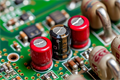
PCBA, short for Printed Circuit Board Assembly, refers to the process of mounting electronic components onto a printed circuit board. This process includes component placement, soldering, inspection, and functional testing. Once completed, the board becomes an active electronic unit rather than a passive base. It is ready to power devices, control systems, or communication modules used across industries.
PCB fabrication and PCBA services are closely connected, but they serve different purposes. PCB fabrication focuses on producing the bare board itself, including layering, drilling, and circuit pattern creation. PCBA services begin after that stage and deal with assembling components onto the board using surface-mount or through-hole technologies.
| Comparison Area | PCB Fabrication | PCBA Services |
|---|---|---|
| Core function | Producing bare circuit boards | Assembling electronic components |
| Final output | Unassembled PCB | Fully functional board |
| Main processes | Etching, laminating, drilling | SMT, THT, soldering, testing |
| Buyer readiness | Requires further assembly | Ready for system integration |
Many global buyers prefer PCBA manufacturers who can manage both stages. It reduces coordination risks, shortens lead times, and improves overall production control.
PCBA manufacturers support a wide range of industries, each with unique technical and regulatory expectations. They adjust materials, testing methods, and production controls based on application requirements.
Common industries include consumer electronics, industrial automation, automotive electronics, medical devices, telecommunications, and energy systems. In each case, buyers expect consistent performance, long-term reliability, and compliance with international standards.
Global buyers face constant pressure to deliver faster, control costs, and meet strict quality benchmarks. PCBA partners help balance these demands by offering specialized capabilities that are difficult to maintain internally.
In-house assembly may appear cost-effective at first, but it often becomes complex and resource-intensive. Outsourcing shifts production responsibility to experienced manufacturers who already operate optimized lines. Buyers can focus on design, branding, and market expansion while their PCBA partner manages execution.
PCBA manufacturers achieve cost efficiency through scale. They serve multiple customers, optimize material sourcing, and minimize downtime. This allows buyers to scale production volumes up or down without heavy capital investment. It also reduces the financial risk tied to demand fluctuations.
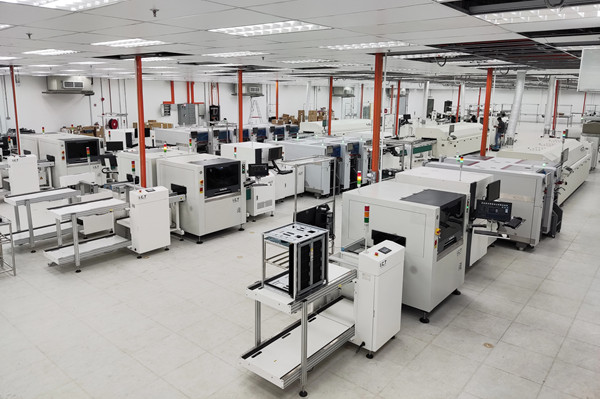
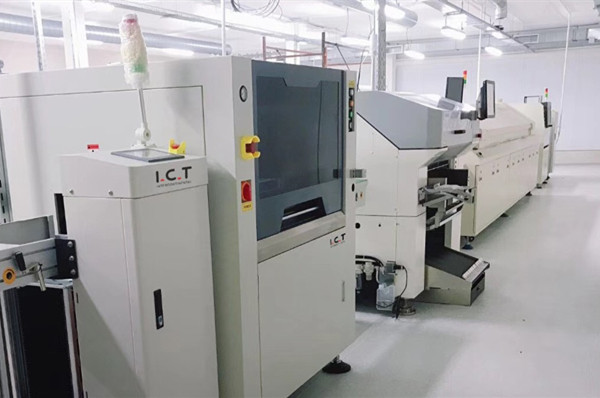
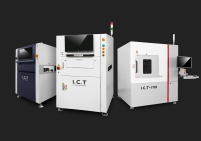
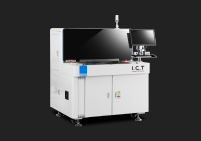
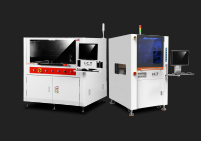
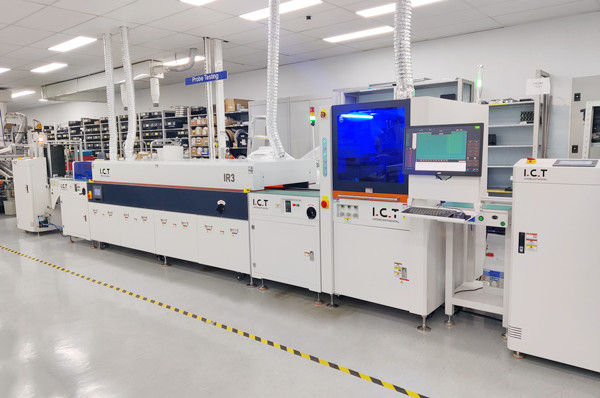
Modern PCBA requires advanced equipment such as high-speed SMT lines, automated optical inspection, and X-ray testing systems. Many global buyers cannot justify owning these technologies themselves. By working with PCBA partners, they gain access to cutting-edge manufacturing capabilities without managing maintenance or upgrade costs.
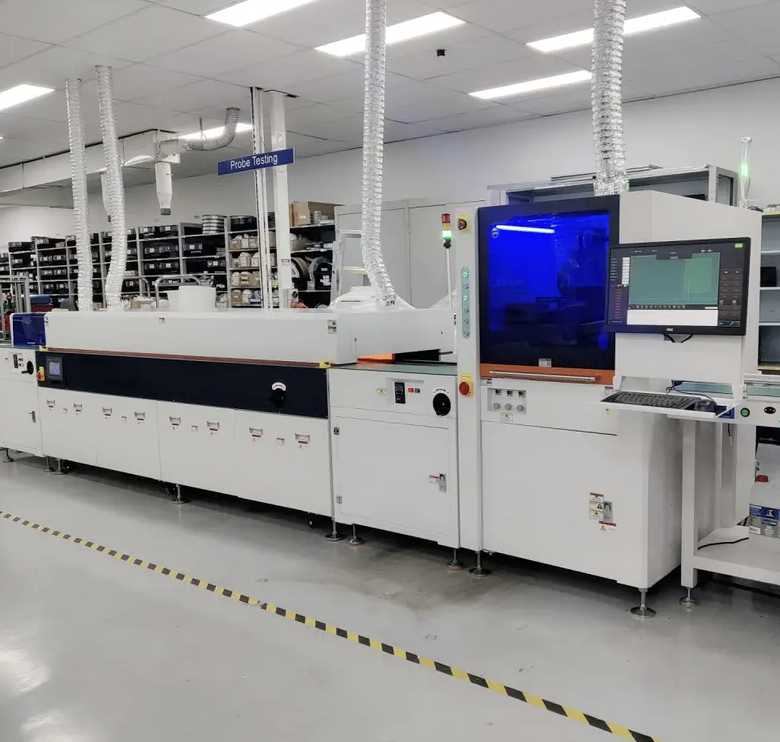
Global buyers come to a PCBA manufacturer looking for stability first. They expect repeatable results, predictable timelines, and boards performing the same way every time. When products ship across borders, small errors turn expensive fast, so expectations stay high from the first prototype to mass production.
Quality consistency matters more than speed for most global buyers. They want assembly processes running the same today, tomorrow, and six months later. Stable SMT lines, controlled solder profiles, and standardized work instructions help make it happen.
Defect prevention starts early. Good PCBA manufacturers focus on yield control instead of fixing failures later. They track defect trends, adjust processes quickly, and stop issues before they spread. It saves time, money, and stress for everyone involved.
Reliability testing also plays a big role in global markets. Buyers often expect functional testing, thermal cycling, vibration testing, or aging tests depending on application. A board passing inspection once is not enough. It must keep working under real operating conditions.
Certifications act like a common language between buyers and manufacturers. They show systems exist, processes stay controlled, and quality does not rely on luck.
| Standard / Certification | What Buyers Expect |
|---|---|
| ISO 9001 | Structured quality management system |
| ISO 14001 | Environmental responsibility |
| IATF 16949 | Automotive-grade process control |
| ISO 13485 | Medical device manufacturing compliance |
| IPC-A-610 | Acceptability of electronic assemblies |
| IPC-7351 | Standardized land pattern design |
| RoHS / REACH | Compliance for global environmental laws |
For overseas buyers, certifications reduce risk. They may never visit the factory in person. Documents, audits, and third-party approvals help build confidence. It tells them the manufacturer understands global rules and follows them every day.
Buyers also expect strong technical capabilities, not just basic assembly. A competitive PCBA manufacturer supports SMT, THT, and mixed-technology boards under one roof. It simplifies logistics and shortens production cycles.
Fine-pitch components and BGA packages raise expectations even more. Buyers want proven experience handling tight tolerances, controlled reflow profiles, and complex layouts. Mistakes here cost real money.
Production flexibility matters too. Some buyers need high-mix, low-volume runs for new products. Others need stable mass production for years. Strong manufacturers handle both without losing control.
Automated inspection systems help support these demands:
AOI for placement and solder joint checks
X-ray for BGA and hidden connections
SPI for solder paste consistency
These systems catch issues early and keep output predictable. Buyers rely on them because manual checks alone cannot scale or stay consistent across global supply chains.
Global buyers want to see inside the supply chain. They expect clear sourcing paths, honest communication, and proof parts come from reliable channels. When boards cross borders, uncertainty creates risk. Transparency removes it.
Counterfeit and obsolete components worry global buyers more than almost anything else. One bad chip can stop an entire product line. They expect the PCBA manufacturer to block these risks early, not explain them later.
Most buyers prefer components sourced from authorized distributors. It feels safer. It protects warranties. It supports long product lifecycles. Open market sourcing still happens, but buyers expect it only when necessary and fully disclosed.
Traceability matters just as much as sourcing. Buyers want to know where parts came from, when they shipped, and how they were handled. Good documentation builds confidence across borders.
Common traceability records buyers expect:
Manufacturer part numbers and lot codes
Supplier invoices and certificates of conformity
Date codes and storage condition records
If a quality issue appears later, this data makes root cause analysis faster and cleaner.
Component shortages have become normal. Buyers know this. They do not expect miracles. They expect planning, flexibility, and fast communication.
A capable PCBA manufacturer actively monitors global availability. When shortages hit, they do not wait. They suggest alternatives, explain risks, and help buyers decide quickly.
| Supply Chain Capability | Buyer Expectation |
|---|---|
| Shortage monitoring | Early warnings, not surprises |
| Alternative parts | Drop-in or approved substitutes |
| Inventory control | Less excess, fewer emergency buys |
| Forecasting support | Smarter planning across projects |
Inventory control also plays a bigger role now. Buyers want support balancing stock levels. Too much inventory ties up cash. Too little stops production. When manufacturers help forecast demand, everyone wins.
They also expect honest answers. If a part becomes risky, they want to hear it early. Clear updates keep trust strong, even during supply chain chaos.
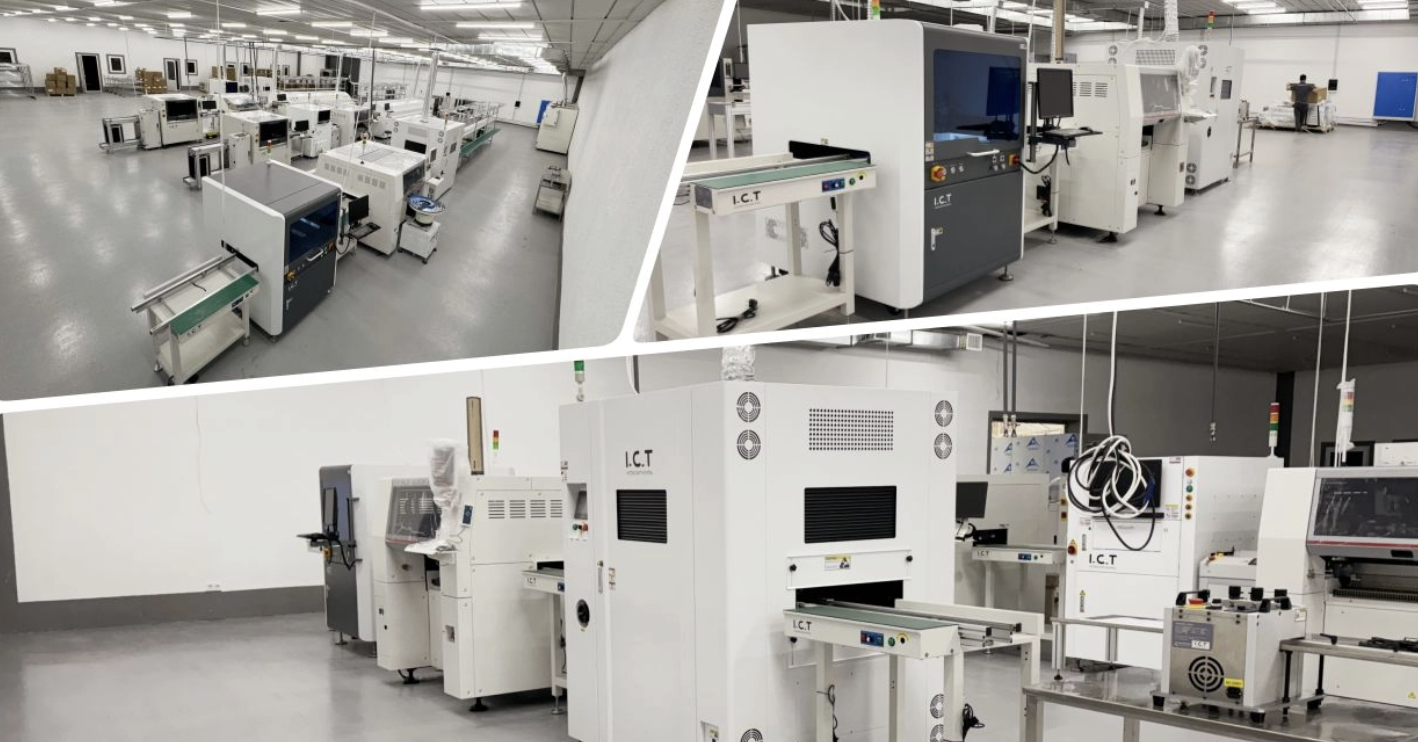
Global buyers expect more than assembly. They want engineers involved early, asking questions, spotting risks, and improving designs before problems appear. Strong design support saves time, reduces cost, and keeps projects moving smoothly across borders.
DFM feedback lowers production risk fast. When a PCBA manufacturer reviews designs early, issues show up before materials get ordered. It avoids delays, rework, and uncomfortable calls later.
Many global buyers face the same DFM problems again and again. These issues often hide inside otherwise good designs.
Common DFM issues engineers flag:
Inconsistent solder mask openings
Tight component spacing limiting rework
Unsupported fine-pitch footprints
Parts difficult to source long term
DFA support matters too. Designs assembled easily stay cheaper and more reliable. Engineers look at panelization, connector orientation, and test access. Small changes bring big gains.
Collaboration keeps everything aligned. Buyers expect direct communication between design teams and manufacturing engineers. When both sides talk often, it feels like one team building one product.
Speed matters during prototyping. Buyers expect quick builds, clear feedback, and realistic timelines. A prototype exists to learn, not to look perfect.
NPI support helps bridge design and production. Engineers validate processes, refine test methods, and lock key parameters early. It reduces surprises later.
| NPI Stage | Buyer Expectation |
|---|---|
| Prototype build | Fast turnaround, clear feedback |
| Pilot run | Process validation |
| Pre-production | Yield improvement |
| Mass production | Stable, repeatable output |
The transition from prototype to mass production often breaks weak partnerships. Strong PCBA manufacturers support volume scaling without changing quality. Buyers expect processes, materials, and performance staying consistent as quantities grow. They want confidence production will feel boring. In manufacturing, boring usually means everything works.
A PCBA manufacturer assembles electronic components onto printed circuit boards. They handle placement, soldering, inspection, and testing. The goal is delivering boards ready for integration into final products.
PCB manufacturing creates the bare board. PCBA starts after that step. It turns the board into a working electronic assembly by adding components and testing functionality.
Experience reduces risk. They have seen design issues, supply shortages, and quality problems before. It helps them react faster and keep production stable across regions.
They source parts from authorized distributors whenever possible. They keep traceability records and inspect incoming materials. Buyers expect full disclosure if open market sourcing becomes necessary.
Choosing the right PCBA manufacturer is really about choosing peace of mind. Global buyers want steady quality, open communication, strong engineering support, and a supply chain they can actually trust. When those pieces work together, production feels predictable instead of stressful—and scaling becomes much easier.
At Dongguan ICT Technology Co., Ltd., we help global buyers turn designs into reliable products through transparent sourcing, advanced assembly, and hands-on engineering support. If you’re looking for a PCBA partner who thinks long term and works like part of your team, we’re ready to start the conversation.