English
 Views: 0 Author: Site Editor Publish Time: 2026-02-05 Origin: Site


How to Meet CE and RoHS Compliance in PCBA Manufacturing starts with understanding more than regulations—it’s about building products ready for the EU market from day one. In PCBA manufacturing, CE and RoHS compliance shape material selection, PCB design, assembly processes, and documentation control. This guide walks you through practical requirements, common risk areas, and smart design strategies to meet CE marking and RoHS standards efficiently. Whether you’re an OEM or a PCBA manufacturer, you’ll learn how to reduce compliance risks, speed up market access, and stay competitive globally.
In PCBA manufacturing, regulatory compliance is not just paperwork. It directly influences how boards are designed, which materials are selected, and how assemblies are produced for international markets. For products entering the European Union, CE compliance and RoHS compliance are the two most critical regulatory requirements. They address different risks, but both are essential for legal market access.
CE compliance refers to a legal framework that allows electronic products to be sold within the European Economic Area. The CE marking indicates that a product meets applicable EU directives related to safety, electromagnetic compatibility, and environmental protection.
CE marking is not a quality label, nor does it guarantee product performance. Instead, it represents a manufacturer’s declaration that the product complies with all relevant EU regulations. Once applied, the CE mark allows free movement of the product across EU member states without additional national approvals.
Many companies assume CE marking is a third-party certificate. In reality, most electronic products use self-declaration, supported by technical documentation. Only certain high-risk products require involvement from a notified body.
Key points often misunderstood include:
CE marking is a legal requirement, not an optional label
The manufacturer holds full compliance responsibility
Authorities may request compliance documents at any time
RoHS compliance focuses on controlling hazardous substances inside electronic products. RoHS stands for Restriction of Hazardous Substances, and it limits the use of materials that pose environmental and health risks during manufacturing, use, and disposal.
The directive restricts substances such as lead, mercury, cadmium, and certain flame retardants. For PCBA manufacturing, this has a direct impact on solder alloys, PCB laminates, surface finishes, and electronic components.
RoHS matters because electronic waste accumulates quickly. Toxic substances can leak into soil and water, while workers may face long-term exposure risks. By restricting hazardous materials at the design and assembly stages, RoHS reduces environmental damage and improves overall product safety.
In daily PCBA operations, RoHS compliance affects:
The switch to lead-free soldering processes
Material declarations from component suppliers
Selection of halogen-free PCB substrates
Ongoing verification of substance limits
CE and RoHS are closely related, but they serve different purposes. CE compliance determines whether a product is legally allowed to enter the EU market. RoHS compliance controls what materials are allowed inside that product.
CE acts as a market access requirement. Without it, products may be blocked at customs or rejected by distributors. RoHS functions as a substance-control directive under the CE framework, meaning non-RoHS products cannot carry valid CE marking in most electronics categories.
For PCBA manufacturers, meeting both requirements is essential. They manage material sourcing, soldering processes, and compliance records that support the final product’s CE declaration. When CE and RoHS work together, they create a clear compliance pathway for exporting electronic products into the EU market.
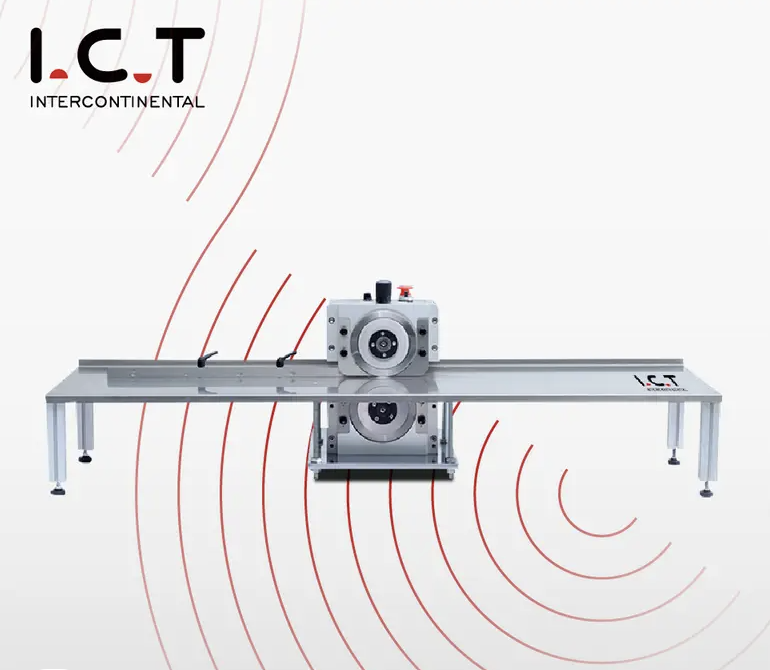
RoHS compliance sets clear material rules for PCBA manufacturing. It controls which substances are allowed inside assemblies and how much is acceptable. For factories, it affects soldering, components, plastics, coatings, and even small hidden materials people often overlook.
RoHS currently restricts 10 hazardous substances used in electrical and electronic equipment. They are limited by weight at the homogeneous material level, not the finished product.
Restricted substances under RoHS include:
Lead (Pb)
Mercury (Hg)
Cadmium (Cd)
Hexavalent chromium (Cr⁶⁺)
Polybrominated biphenyls (PBB)
Polybrominated diphenyl ethers (PBDE)
Bis(2-ethylhexyl) phthalate (DEHP)
Butyl benzyl phthalate (BBP)
Dibutyl phthalate (DBP)
Diisobutyl phthalate (DIBP)
Most substances share the same maximum concentration limit. Cadmium follows a much stricter rule.
| Substance Category | Maximum Limit (by weight) |
|---|---|
| Most RoHS substances | 0.1% (1000 ppm) |
| Cadmium (Cd) | 0.01% (100 ppm) |
Cadmium has tighter limits because it accumulates in the human body. It damages kidneys and bones over time. Even small exposure causes long-term harm, so regulators allow far less of it.
For PCBA, this means every solder joint, pad finish, resin, and coating matters. One non-compliant material can affect the entire assembly.
RoHS risks often hide in places people assume are safe. They appear during sourcing, assembly, and secondary processing.
Lead-based solder and surface finishes remain the biggest concern. Traditional SnPb solder violates RoHS instantly. Some older HASL finishes still contain lead if not specified clearly.
Component plating and terminations cause frequent issues. Leads, pins, and connector contacts sometimes use tin-lead or mixed alloys. We must check supplier declarations carefully.
Cables, connectors, and plastic parts introduce phthalates and brominated flame retardants. Insulation materials often fail RoHS without updated formulations.
Conformal coatings and adhesives get overlooked. Some formulations include restricted solvents or stabilizers. If applied after assembly, they still count.
Typical high-risk areas include:
Solder paste composition
PCB pad surface finish
Component lead plating
Plastic housings and cable jackets
Potting compounds and sealants
RoHS compliance in PCBA depends on control, not assumptions. We track materials, verify suppliers, and test when something looks uncertain.
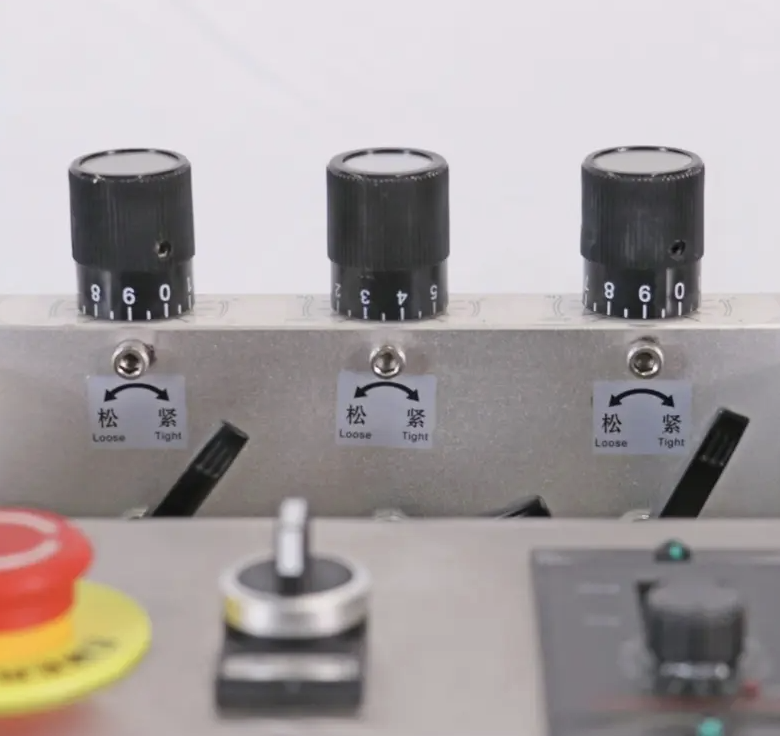
CE compliance focuses on product safety and market access in the EU. For PCBA products, it connects design, assembly, testing, and documentation. We do not mark the board for fun. We prove it meets EU rules.
CE compliance relies on several core elements. Each one affects how a PCBA gets designed, built, and verified.
Safety requirements protect users and installers. PCBAs must avoid electric shock, overheating, fire, and mechanical hazards. This includes proper creepage distances, insulation design, and stable power routing. If a board handles high voltage, safety gaps matter more.
EMC performance requirements control electromagnetic behavior. A PCBA must not create interference. It must also keep working near other electronics. Layout, grounding, filtering, and shielding all influence EMC results. Poor routing often causes test failures.
Environmental compliance alignment links CE to substance rules. RoHS supports CE by controlling hazardous materials. When materials comply, CE documentation becomes easier. They work together, not separately.
| CE Element | What It Covers in PCBA |
|---|---|
| Safety | Electrical, thermal, fire risks |
| EMC | Emissions and immunity behavior |
| Environment | RoHS, material restrictions |
CE compliance starts before production. Risk assessment defines what rules apply and who owns them.
Determining applicable directives comes first. Common ones include:
Low Voltage Directive (LVD)
EMC Directive
RoHS Directive
Machinery or Radio directives, if relevant
Not every PCBA falls under every directive. It depends on voltage, function, and final use.
Identifying hazards and compliance gaps follows next. We review design, materials, and assembly steps. We look for overheating risks, EMC weaknesses, or unsafe spacing. Gaps often appear during early prototypes.
Responsibility allocation between OEM and PCBA manufacturer must stay clear. The OEM usually owns CE marking for the final product. The PCBA manufacturer supports it through compliant design, process control, and records. If roles stay unclear, problems appear during audits.
Clear classification and early risk checks reduce delays. They also prevent costly redesign later.
Design choices decide compliance long before testing starts. If we plan early, CE and RoHS issues shrink fast. Layout, materials, and thermal thinking all play a role.
Lead-free solder compatibility affects pads, components, and profiles. Lead-free alloys melt hotter. They stress joints more. We design pad sizes carefully and choose finishes like ENIG or immersion silver. It helps joints stay reliable.
Halogen-free PCB materials reduce environmental risk and smoke toxicity. Many FR-4 options now meet RoHS and halogen-free needs. They behave slightly different electrically. Designers adjust impedance and stackups early.
Thermal management for higher reflow temperatures matters a lot. Lead-free reflow peaks often reach 245–260°C. Boards warp if ignored. We use higher Tg laminates, balanced copper layers, and smart via placement. Heat paths keep components safe.
| Design Area | RoHS Impact |
|---|---|
| Solder | Higher melting point |
| Laminates | Halogen-free materials |
| Thermal | Higher reflow stress |
PCB layout techniques for EMC control start at placement. We keep noisy parts away from sensitive signals. Short loops reduce radiation. Clean return paths lower emissions. Grounding, shielding, and filtering strategies shape EMC performance. Solid ground planes work better than split ones. Filters near connectors stop noise early. Shield cans help, when space allows.
Signal integrity and noise suppression protect function and test results. Controlled impedance traces reduce reflections. Decoupling capacitors sit close to power pins. It keeps voltage stable and noise low.
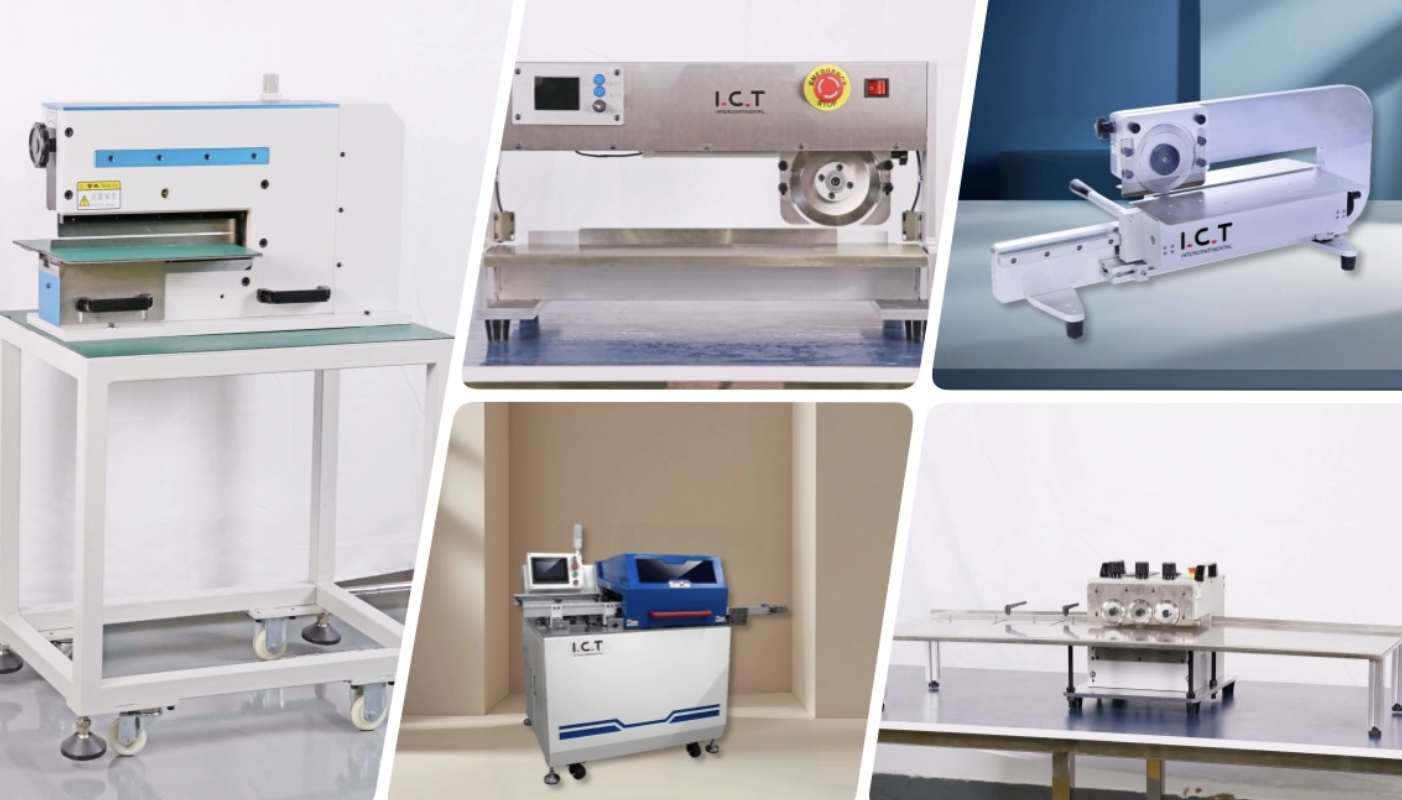
CE and RoHS compliance goes beyond rules. It shapes trust, speed, and long-term value. Companies using it well stand out fast.
Faster access to EU and global markets saves time and cost. Products meeting CE and RoHS enter Europe without delays. Customs checks feel smoother. Launch schedules stay intact. Reduced legal and recall risks protect revenue and reputation. Non-compliance leads to fines, withdrawals, and redesign. When we follow standards early, risk drops sharply. Teams focus on growth instead.
Improved brand trust and credibility builds confidence. Buyers prefer compliant products. Distributors trust paperwork. Regulators ask fewer questions.
| OEM Benefit | Business Impact |
|---|---|
| Market access | Faster product launch |
| Legal safety | Lower recall exposure |
| Brand trust | Stronger customer loyalty |
Higher-value projects become more common. Compliance-ready factories attract regulated industries. Automotive, medical, and industrial clients look for this skill. Margins often improve. Long-term customer partnerships grow easier. OEMs stay longer when compliance works smoothly. Repeat orders follow. Communication improves.
Alignment with sustainable electronics manufacturing supports future growth. RoHS reduces hazardous waste. CE promotes safer products. Many global customers now expect both. Compliance creates leverage. It changes perception. It turns capability into advantage.
CE compliance focuses on market access and product safety in the EU. It checks safety, EMC, and regulatory conformity. RoHS compliance controls hazardous substances inside materials. In PCBA manufacturing, CE decides if the product can enter the EU market, while RoHS decides what materials the board may contain. They work together, not as replacements.
CE marking is mandatory for finished electronic products placed on the EU market. Standalone PCBAs usually do not carry the CE mark by themselves. However, they must still meet CE-related requirements because they support the final product’s compliance. OEMs rely on PCBA compliance data during CE declaration.
The OEM holds legal responsibility for CE marking of the final product. PCBA manufacturers support compliance by controlling materials, processes, testing data, and documentation. If PCBA compliance fails, the OEM’s CE declaration becomes invalid.
Lead remains the most common issue. It appears in solder, surface finishes, and component terminations. Phthalates often appear in cables, plastics, and connectors. Cadmium causes problems even in tiny amounts due to its strict limits.
Meeting CE and RoHS requirements in PCBA manufacturing is really about control and foresight. When design, materials, assembly, and documentation move in the same direction, compliance becomes predictable instead of stressful. From substance limits to EMC-ready layouts, every small decision helps products pass audits faster and enter the EU market with confidence.
At Dongguan ICT Technology Co., Ltd., we support OEMs through compliant PCBA design, sourcing, assembly, and documentation. If you’re planning EU-bound electronics, our team helps turn CE and RoHS rules into a smooth, reliable production process—ready for scale, ready for inspection.