English
Views: 0 Author: Site Editor Publish Time: 2025-07-08 Origin: Site

You might ask if using Nitrogen in Reflow Oven processes is good for your production line. Nitrogen Reflow Oven technology helps stop oxidation during soldering. This makes joints stronger and more reliable. Automotive, military, and BGA assemblies often need this better quality. You have to think about the better results and the extra costs and equipment. Your choice should match your product goals and quality rules.
Using nitrogen in reflow ovens stops oxidation. This makes solder joints stronger and more reliable. Nitrogen makes a safe space with no oxygen. This helps solder spread better and lowers defects. This technology is good for sensitive products. These include automotive, military, BGA, and medical devices. Nitrogen reflow makes the process more steady. This means fewer mistakes and higher first-pass yields. Nitrogen ovens and gas cost more money. So, think about your production size and budget first. You must control nitrogen flow, purity, and oxygen levels. This keeps quality high and stops defects. Nitrogen helps with lead-free soldering. It lets you use lower temperatures and protects delicate parts. There are other options like advanced flux or other gases. But nitrogen gives strong benefits for high-reliability needs.
Nitrogen is used in Reflow Oven processes to make a safe space during soldering. Nitrogen works like a shield and keeps oxygen away from solder joints. This helps stop oxidation, which can make connections weak. When you use nitrogen in the oven, there is very little oxygen inside. This closed space gives you cleaner and stronger solder joints that last longer.
Tip: Nitrogen in Reflow Oven technology is very useful when you work with parts that are sensitive or need to be very reliable.
A standard reflow oven uses air as the main gas. Oxygen in the air can react with metals when soldering. This makes oxides on your parts and solder paste. These oxides can cause bad wetting and weak joints.
Nitrogen in Reflow Oven systems change this. You fill the oven with nitrogen, which pushes out most of the oxygen. This makes some important changes:
There is less oxidation on solder joints.
Solder spreads better and covers pads more evenly.
You get fewer problems like bridges or non-wetting.
The process is more stable, even for fast SMT lines.
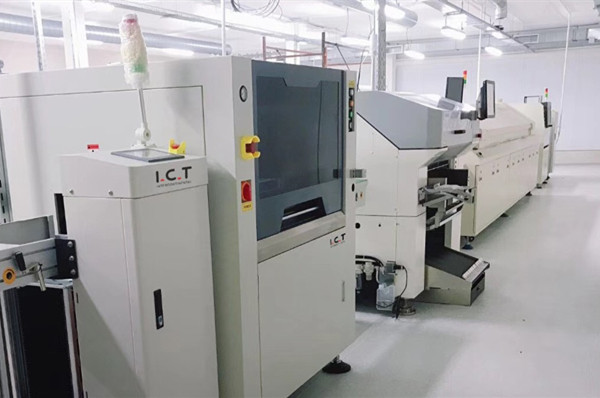
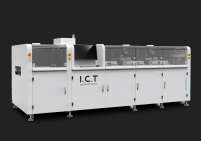
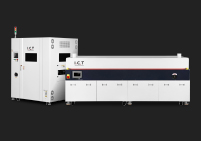
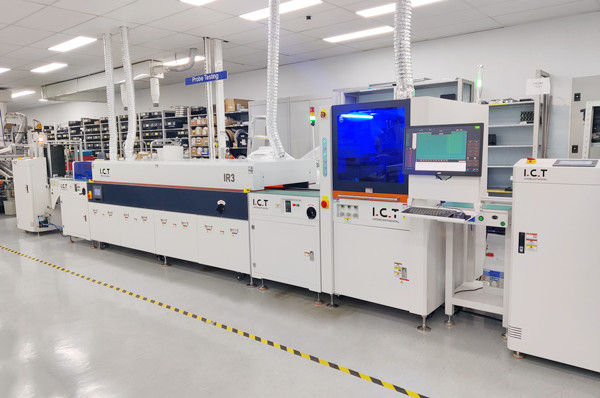
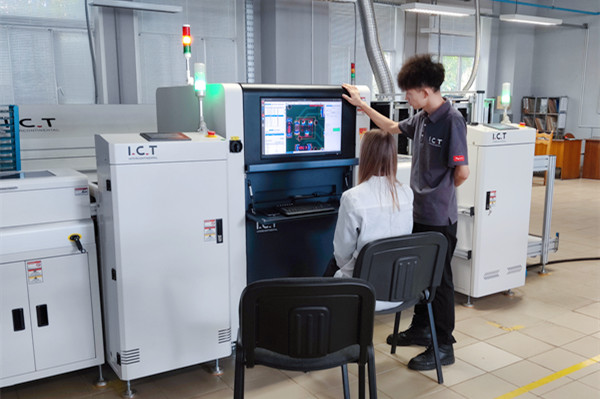
Some ovens, like the I.C.T Lyra733N, are made for nitrogen use. These ovens have strong nitrogen protection systems. They help you make products quickly and reliably with good control.
You need to watch oxygen levels closely in a Nitrogen in Reflow Oven. Most companies want oxygen below 1000 ppm. Some products that need to be very reliable need even less, like 100 ppm or lower. Less oxygen means less oxidation and better solder joints.
Nitrogen purity is important too. You want nitrogen that is at least 99.99% pure for most electronics. Higher purity gives a safer atmosphere and better results. You can check nitrogen purity with sensors in the oven. This helps keep the process steady and the same every time.
Note: Temperature zones in a Nitrogen in Reflow Oven work just like in regular ovens. You still set preheat, soak, reflow, and cooling zones. The big difference is the controlled air, not the heat settings.
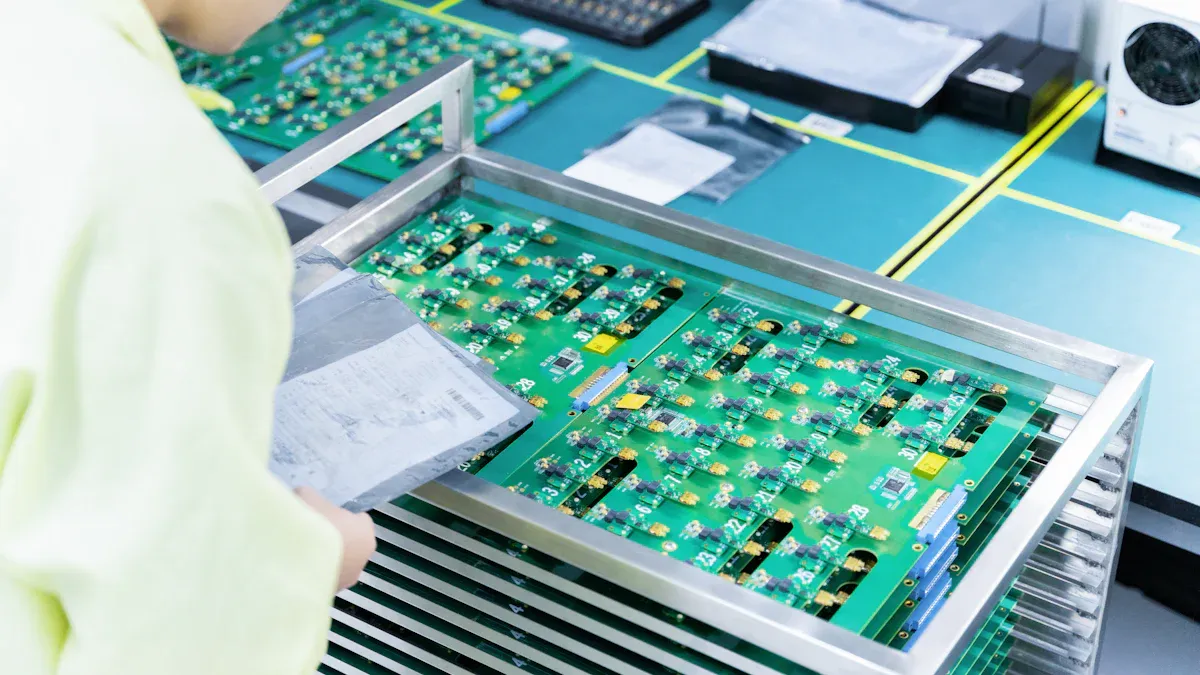
When you heat metal in a reflow oven, oxidation happens. Oxygen in the air reacts with metal and solder paste. This makes oxides that stop solder from flowing well. Weak joints can form because of these oxides. Using Nitrogen in Reflow Oven processes removes most of the oxygen. This almost stops oxidation from happening.
You notice the change right away. Solder joints look brighter and cleaner. With less oxidation, there are fewer defects and less rework. Cleaning sticky flux residue takes less time. Many companies say using nitrogen cuts solder flux residue by up to 66%. This means fewer needle-test failures and better electrical results.
Tip: Cleaner joints and less residue help you meet strict quality rules, especially for cars and military products.
You want every solder joint to be strong and last long. Nitrogen in Reflow Oven technology helps you do this. Nitrogen makes an inert space that helps solder wet better. Solder spreads more evenly and makes better fillets. This is very important for fine-pitch and lead-free assemblies.
Studies show nitrogen can cut defect rates by more than half. For example:
Defects dropped from 82 to 37 per million after using nitrogen.
First-pass yield went up by 5-7%, so fewer boards need fixing.
Stress tests showed one part failed 183 times in air but only 3 times with nitrogen.
Solder also spreads better at lower temperatures. For example, 63Sn/37Pb solder spreads at 205°C with less than 10 PPM oxygen, but needs 270°C at 1000 PPM. Lower temperatures help protect sensitive parts and save energy.
You need a steady process to keep quality high and costs low. Nitrogen in Reflow Oven systems give you this steady process. The inert space keeps oxidation low the whole time. You see fewer changes in how solder joints look and fewer random problems.
Wetting force and angle tests show better wetting with nitrogen, so joints are more even.
Nitrogen lowers dross and flux use, so you spend less time on solder pot care.
You get the same results every time, which is important for making lots of products.
Note: Getting the same good results helps you earn customer trust and pass hard quality checks.
Switching to lead-free soldering brings new problems. Lead-free solder melts at higher heat. This high heat can hurt delicate parts and boards. You need a way to keep your products safe and good.
Nitrogen in Reflow Oven technology helps a lot with lead-free soldering. Nitrogen makes a dry, safe space with no electricity flow. This special air helps you in many ways:
Solder spreads better and covers pads with no empty spots.
Flux works longer, so joints are cleaner with less leftover mess.
There is almost no oxidation. Solder paste does not make oxides, so joints stay strong.
You can use lower heat for soldering. This keeps delicate parts safe from too much heat.
Using very pure nitrogen gives even better results. You get fewer bad boards and need less fixing by hand.
Nitrogen keeps out water vapor and other bad gases. Your solder joints stay clean and strong.
Tip: Nitrogen in Reflow Oven systems helps you meet tough rules for car, medical, and military electronics. You can make more boards, have fewer mistakes, and spend less on repairs.
You want every board to pass the check the first time. Nitrogen helps you do this, especially with lead-free and delicate boards.
You should think about money before using Nitrogen in Reflow Oven technology. The first cost is high. Many small and medium businesses see this as a big problem. You have to buy special equipment for nitrogen use. This equipment costs more than normal reflow ovens.
There are also costs that keep coming. Nitrogen gas is not free. You must pay for it all the time to keep your oven working. You also need to check and change the nitrogen in every run. This makes your running costs go up.
Some things that cost more are:
You pay a lot at first for ovens that use nitrogen.
You spend money often on nitrogen gas.
You need to buy sensors and monitors to keep nitrogen levels right.
Note: These costs can get big fast, especially if you make many boards or need very pure nitrogen.
Using Nitrogen in Reflow Oven technology makes things harder. You must control temperature, speed, gas flow, and purity. You need to set up and take care of more equipment, like nitrogen tanks or generators. Your team must learn how to use and fix these systems.
You might need to change your process steps. Nitrogen changes how solder paste works. You must watch oxygen levels all the time. If nitrogen flow drops or purity is low, you can get defects. This means your team needs more training and must be careful.
Tip: Good training and clear rules help your team do the extra steps and stop mistakes.
Tombstoning is when one end of a small part lifts up during reflow. It looks like a tiny gravestone on the board. Nitrogen in Reflow Oven processes can sometimes make tombstoning happen more, especially with small chips.
Nitrogen lowers oxidation and helps solder wet better. This can make solder melt and move faster on one side. If the other side is slower, the part can stand up. You need to watch your settings closely. Changing the reflow profile, paste, or pad design can help stop this.
Note: Careful tuning and checking often help you find and fix tombstoning early.
You might run into more problems when you use nitrogen in your reflow process. These problems can hurt your production, your workers, and your profits.
The first cost is very high. Small companies may not have enough money for fancy nitrogen reflow ovens. Dual-rail systems can be too expensive for small businesses.
Cheaper options from other companies make it hard to keep your prices low. In places where money is tight, you may need to save money or work faster.
It is hard to find workers who know how to use and fix nitrogen reflow systems. If you do not have enough trained people, you could have more mistakes or machines that stop working.
Sometimes, it is tough to get good nitrogen gas all the time. If your supplier is late, your work can slow down or stop.
There are rules you must follow for the environment and safety. These rules can change, so you need to keep learning and change your process when needed.
Note: You can handle these problems by planning well, training your team, and working closely with your suppliers. Learning about new rules and trends helps you avoid problems and keep your work going smoothly.
If you work with cars, you know electronics must last. Car parts face heat, cold, and shaking. Nitrogen in reflow ovens helps make strong solder joints. Car makers use many ECUs, sensors, and safety systems. These need reliable solder joints to work well.
Nitrogen cuts down on oxidation during soldering. This gives you cleaner and brighter joints. You also get fewer defects, which is good for safety. Car rules like ISO 26262 need high reliability. Nitrogen helps you meet these tough rules.
Cars often use lead-free solder. Lead-free solder needs more heat, which can cause more oxidation. Nitrogen protects your boards and keeps joints strong. It also lowers the risk of corrosion. This is important for parts that face heat, water, and shaking.
Tip: Using nitrogen in your reflow oven helps you pass hard car tests.
Military electronics must work in very tough places. They face heat, cold, and wet air. They must survive shaking and shocks. Failure is not allowed.
Nitrogen in reflow ovens helps you meet military rules like MIL-STD-883. You get better solder wetting and fewer empty spots. This means your boards have fewer weak points. Nitrogen also stops oxidation, which can cause early failure.
Military products use complex parts with tiny spaces. Nitrogen gives you more control over the process. You see more even results and fewer random problems. This is important for mission-critical systems.
You build radar, communication, and navigation systems.
You put together control boards for vehicles, planes, and ships.
Every joint must pass strict checks.
Note: Nitrogen reflow ovens help you give the reliability and performance the military needs.
BGA and fine-pitch parts have tiny pads close together. Soldering them is hard. Even a small mistake can cause big trouble.
Nitrogen in reflow ovens makes this job easier. It creates a safe space that stops oxidation. Solder paste spreads better and covers pads evenly. You get fewer bridges, opens, and empty spots. This is important for crowded boards and advanced designs.
You also get better results with lead-free solder. Nitrogen helps stop head-in-pillow and non-wetting problems. You can use lower heat, which keeps chips safe.
| Benefit | Impact on BGA/Fine-Pitch |
Less oxidation | Fewer soldering problems |
Better wetting | Stronger, more reliable joints |
Lower void rate | Better electrical performance |
Tip: Nitrogen reflow ovens help you make more good boards and fix fewer mistakes with BGA and fine-pitch parts.
You work in a field where people’s lives depend on your products. Medical devices must follow strict safety and reliability rules. Using Nitrogen in reflow ovens helps you meet these high standards.
When you make medical electronics, every solder joint must be perfect. Even a tiny mistake can make a device stop working. Nitrogen makes a safe space inside the oven. This stops oxidation and keeps solder joints clean and strong. You see fewer problems and less sticky stuff left on your boards.
Note: Medical device rules, like ISO 13485 and FDA guidelines, say you must control every step. Nitrogen reflow ovens help you follow these rules by giving you better control.
You often use parts that are very sensitive. Pacemakers, infusion pumps, and test equipment use tiny chips and fine-pitch parts. These need careful work during soldering. Nitrogen helps solder paste spread and flow better. You get strong joints with no empty spots or bridges.
Here are some main benefits of using nitrogen for medical devices:
Improved Solder Joint Reliability: Nitrogen lowers oxidation, so joints last longer.
Cleaner Assemblies: Less sticky stuff means easier cleaning and less risk of dirt.
Better Yield: You see fewer problems, so more boards pass the first check.
Support for Lead-Free Soldering: Many medical devices use lead-free solder. Nitrogen helps you avoid problems from higher heat.
You also need to keep records for checks and audits. Nitrogen ovens let you watch and control oxygen levels. You can save these numbers and show proof of quality to inspectors.
| Requirement | How Nitrogen Helps |
High reliability | Fewer soldering problems |
Cleanliness | Less sticky flux left |
Regulatory compliance | Better control of the process |
Sensitive components | Lower chance of heat damage |
Tip: If you want to lower risk and keep patients safe, think about using nitrogen in your reflow process. This choice can help you avoid recalls and protect your good name.
You face hard problems in making medical devices. Nitrogen reflow ovens give you the control and quality you need to do well.
You need a steady nitrogen supply to keep your reflow process working well. Many factories now use nitrogen generators at their own site. These generators use PSA technology. This setup has some good points:
You do not pay for gas delivery or renting tanks.
You always have nitrogen when you need it, so work does not stop.
You can change how pure the nitrogen is for your products.
You help the environment by not using delivery trucks.
You can better plan your costs because you make your own nitrogen.
But, you must think about the high cost to buy and set up these systems. PSA generators need trained workers and regular checks. The price of energy and materials can also change your total cost. If your business is small, these things might make you think twice.
Tip: Making nitrogen at your site helps you follow safety and green rules. It also lowers risks from supply problems.
When you spend money on Nitrogen in Reflow Oven technology, you want to see benefits. You can check your ROI by looking at some main numbers:
Solder problems go down by about 15-18%. This means less fixing and better products.
You use 20-25% less energy, so you save money on bills.
You can make boards about 20% faster, so you finish more in less time.
First-pass yield can get up to 15% better with smart controls.
Using IoT sensors for maintenance cuts surprise stops by about 20%.
You can also get help from the government, like tax breaks, for using better machines. As more people want cars, planes, and gadgets, your investment in nitrogen ovens helps you grow.
Note: Using Industry 4.0 tools, like AI and IoT, can help your ROI even more by lowering mistakes and saving resources.
You should look at costs for making lots of boards or just a few to see if nitrogen is a good choice. The table below shows the main differences:
| Factor | High-Volume Production | Low-Volume Production |
Nitrogen Supply Cost | Lower per board (economies of scale) | Higher per board (fixed costs spread over fewer units) |
Equipment Investment | Easier to justify, faster payback | Longer payback period |
Operational Savings | Significant (energy, defects, rework) | Modest |
Process Consistency | High impact on yield and quality | Less noticeable improvement |
If you make many boards, you can spread the first cost over more units. This makes each board cheaper. You also save more from fewer mistakes and faster work. If you make only a few boards, the cost may not be worth it unless you need very high quality.
Tip: Add up your savings from fewer mistakes, lower energy use, and better yields. This helps you see how fast you can get your money back.
You need to control nitrogen flow in your reflow oven. The right flow keeps oxygen low and makes a safe space for soldering. If the flow is too low, oxygen can get in and cause oxidation. If the flow is too high, you waste nitrogen and spend more money. Most companies say to start with a flow that matches your oven size and what you are making. You can change the flow as you watch oxygen levels and how good the solder joints look.
Tip: Use a flow meter to check the nitrogen flow. Change the flow a little at a time and see what happens.
You have to watch a few things to keep your process steady. Oxygen level, nitrogen purity, and pressure all matter for good solder joints. Put oxygen sensors in important spots in your oven. These sensors show you numbers right away so you can act fast if something changes. You should also check how pure your nitrogen is often. High purity means less oxidation and better solder joints.
A simple checklist helps you remember what to do:
Check oxygen sensors before you start each run.
Write down nitrogen purity at set times.
Watch pressure gauges so you do not miss leaks or drops.
Keep a log of all readings for checks and audits.
| Parameter | What to Monitor | How Often |
Oxygen Level | ppm in each zone | Every batch |
Nitrogen Purity | % purity | Daily |
Pressure | psi or bar | Every shift |
Problems can still happen even if you do everything right. If you see more defects or dull solder joints, check your nitrogen flow and purity first. Look for leaks in hoses or fittings. Make sure your sensors work and show the right numbers. If oxygen goes up, turn up the nitrogen flow or check for open doors and gaps in the oven.
Here are some common problems and quick fixes:
High oxidation: Look for leaks, turn up nitrogen flow, or change filters.
Unstable readings: Fix or change sensors that do not work right.
Sudden pressure drops: Check supply lines and tanks for leaks.
Note: Doing regular checks and acting fast when alarms go off helps you keep your Nitrogen in Reflow Oven process steady and safe.
You can get better soldering by using advanced flux technology. Modern fluxes help stop oxidation during reflow, even without nitrogen. These fluxes have special chemicals that protect metal from oxygen. You will see fewer problems and stronger solder joints with high-activity flux.
Some fluxes work well with lead-free solder. They keep solder paste working longer. This helps you make strong and shiny joints. You also do not need to clean as much because these fluxes leave less residue.
Here are some good things about advanced flux technology:
Lower oxidation risk: Flux makes a shield that blocks oxygen from the solder.
Better wetting: Solder spreads more smoothly on pads and leads.
Less residue: You spend less time cleaning after reflow.
Cost savings: You do not have to buy nitrogen or special gas tools.
Tip: Always test new fluxes with your boards and parts. Some fluxes may act differently with certain metals or finishes.
You can use flux technology by itself or with other process changes. Many companies pick this way for regular electronics or when they need to save money.
You have more choices than just nitrogen for making an inert atmosphere in your reflow oven. Some companies use other gases to lower oxidation and get better soldering.
Common alternatives include:
Argon: Argon is an inert gas like nitrogen. It gives strong protection against oxidation. You might use argon for very sensitive jobs or when you need very pure gas. Argon costs more than nitrogen, so it is used for special needs.
Forming Gas: This is a mix of nitrogen and hydrogen. Forming gas helps remove oxides from metal. You get cleaner joints, but you must be careful because hydrogen can catch fire.
Carbon Dioxide (CO₂): Some processes use CO₂ to make a safe atmosphere. It is not used much, but it can help in some special cases.
| Gas Type | Main Benefit | Typical Use Case |
Nitrogen | Reduces oxidation | Automotive, military, BGA |
Argon | High purity, inert | Medical, aerospace, R&D |
Forming Gas | Reduces oxides | Specialized, high-reliability |
CO₂ | Niche applications | Some industrial uses |
Note: Each gas has its own safety rules and costs. You should check local rules and talk to your gas supplier before you change anything.
You can pick the best atmosphere for your process by thinking about your product, quality, and budget. Sometimes, using advanced flux and a different gas together works best. Always test any changes carefully to make sure you get the results you want.
When you use Nitrogen in Reflow Oven processes, your solder joints get stronger and you see fewer defects. But, it costs more money and the setup is harder. You should think about what your product needs, your quality rules, and how much you can spend. Look at your process and what you want to achieve before you make any changes. If you are not sure what to do, ask experts in the industry for advice to help you choose the best way for your production line.
Nitrogen makes the air inside the oven safe for soldering. It keeps oxygen away from the solder joints. This stops oxidation and helps make cleaner, stronger connections on your circuit boards.
Not every electronic product needs nitrogen. Products for cars, the military, and hospitals use it most. Regular gadgets like phones or TVs usually use normal air in their ovens.
You check nitrogen purity with special sensors inside the oven. Most ovens have alarms that warn you if purity drops. You can change how much nitrogen flows in to keep oxygen low.
Yes, using nitrogen means you get fewer problems like bad wetting, bridges, or empty spots. Nitrogen helps solder spread better and makes joints more even. This means more boards pass the first test.
Nitrogen is safe and not poisonous if you use it right. You must store the gas safely and keep the room aired out. Always teach your team how to handle nitrogen the right way.
Many new ovens let you pick air or nitrogen for each job. You can choose what works best for every batch you make. This helps you stay flexible in your factory.
Using nitrogen costs more because you need special gear and gas. You should think about these costs and the better quality you get. Making lots of boards usually makes the extra cost worth it.
You can use special flux or other gases like argon instead of nitrogen. Some people use better solder paste to help with soldering. Always test new ways to make sure your boards still meet your quality needs.