English
Views: 0 Author: Site Editor Publish Time: 2023-10-18 Origin: Site
Solder paste printing is a fundamental process in surface mount technology, and its success determines the quality of electronic assemblies. Therefore, verifying solder paste printing before proceeding to other assembly stages becomes necessary. The proper functioning of the solder paste printing process will also depend on various parameters. The objective of this article is to discuss general tests for verifying solder paste printing process parameters.
Here is the content list:
Solder paste printing process parameters
Tests to verify the quality of the solder paste printing
Solder paste printing process parameters have a massive impact on the electrical performance and reliability of the final product.
Let's take a look at some of these parameters and their roles:
Squeegee Pressure
The squeegee pressure is the force applied to the blade during the solder paste application process. The pressure should be sufficient to force the paste through the stencil openings uniformly but not too much that it causes the stencil to lift. The amount of pressure adjustment is based on the type of solder paste, stencil design, and printing speed.
Squeegee Speed
The squeegee stroke speed is the speed with which it moves across the stencil opening. The speed must be adjusted appropriately to achieve adequate paste deposition without smearing or removing excess paste from the PCB. The optimal squeegee speed typically depends on the type of paste, stencil design, and the desired shape of the deposited solder paste.
Stencil Separation Speed
The stencil separation speed is the rate at which the stencil lifts off the PCB after the paste has been uniformly applied. The separation process must be slow and smooth to avoid disturbing the paste deposits' shape and positioning on the PCB.
Stencil Alignment
Stencil alignment refers to the precise alignment of the stencil openings with the PCB pads. It is crucial to ensure accurate and consistent alignment in all the pads on the PCB.
Solder Paste Thickness
The solder paste thickness is a crucial parameter that affects the board's reliability, electrical performance, and reflow process. The paste's height should be uniform not exceeding the maximum height or dropping below the minimum thickness that hinders the melting process during reflow.
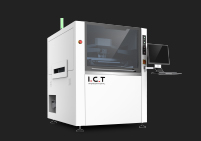
Several tests can be performed to verify the quality of the solder paste printing process. Here are a few examples of testing solder stencil printers typically used:
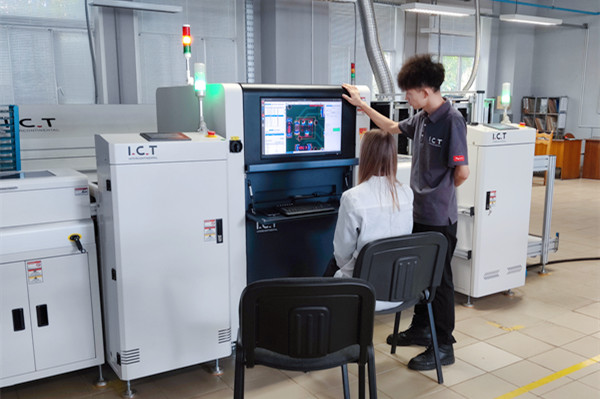
Solder Paste Inspection (SPI): A technology used for inspecting a printed circuit board (PCB) solder paste deposition quality by capturing images, and automatically analyzing the dimensions, shape, volume, and location of the deposited solder paste using a 3D measuring system.
Solder Paste Height: The measurement of the height of the printed solder paste deposits using laser sensors or microscopes to ensure that the paste has been deposited within the specified thickness range.
Solder Joint Quality: The examination of the quality of the solder joints formed during the reflow process, by visual inspection or x-ray inspection.
Solder Ball Evaluation: A quality assessment of the size, shape, and quantity of the solder balls present, which form when excessive solder paste is deposited.
In conclusion, the parameters and tests discussed above play vital roles in achieving high-quality solder paste printing on PCBs. Achieving optimal results in the solder paste printing process is the first step to ensuring better board quality and long-lasting products.
If you are still confused about the solder paste printing process parameters, please consult us via the website of I.C.T. at https://www.smtfactory.com.