English
Views: 0 Author: Site Editor Publish Time: 2026-02-05 Origin: Site
Ensuring your electronics work flawlessly starts with understanding IPC class standards. These globally recognized benchmarks guide PCB design, assembly, and rework, helping manufacturers reduce errors, boost reliability, and improve product lifespan. From low-cost consumer gadgets to mission-critical medical devices, applying the right IPC standards for PCB manufacturing ensures consistency, durability, and regulatory compliance. In this article, we explore how following IPC classes influences product quality, team collaboration, and supplier reliability, giving your electronics a competitive edge.
If you’ve ever wondered how electronics stay reliable, IPC is a big part of the answer. Originally called the Institute for Printed Circuits, IPC has evolved into a global authority setting standards for PCB design, assembly, and repair.
They aim to standardize how printed circuit boards are made and how components are assembled, inspected, and even reworked. This ensures devices perform consistently, whether they end up in a smartphone, medical device, or satellite.
IPC standards act as globally recognized benchmarks, giving engineers and manufacturers clear expectations for quality and reliability. By following these rules, we can reduce errors, prevent early failures, and ensure products meet high-performance requirements.
There are several IPC standards that guide every step of PCB production. Each standard has its own role in making sure boards and assemblies are reliable.
| Standard | Purpose | Impact on Quality and Reliability |
|---|---|---|
| IPC-2221 | Generic design standard for PCBs | Ensures proper layout, material selection, conductor spacing, and clearances. Prevents design errors that could cause failures later. |
| IPC-A-600 | Acceptability of bare boards | Guides visual inspection of boards. Identifies defects like scratches, voids, and delamination. Helps ensure only high-quality boards move to assembly. |
| IPC-6012 | Qualification and performance of rigid PCBs | Sets mechanical, thermal, and electrical requirements. Verifies boards can withstand real-world conditions. |
| IPC-A-610 | Acceptability of electronic assemblies | Evaluates solder joints, component placement, and cleanliness. Maintains consistent assembly quality across batches. |
| IPC-7351 | Land pattern standard for SMDs | Standardizes pad shapes and dimensions for surface-mount devices. Improves soldering reliability and component alignment. |
| IPC-7711/7721 | Rework, modification, and repair | Provides methods for repairing or modifying boards. Ensures reworked boards meet original performance and safety standards. |
They may seem technical, but following these standards ensures your product works right the first time. Designers, inspectors, and assemblers all use them to avoid mistakes, improve efficiency, and boost reliability.
Following IPC class standards helps prevent mistakes early. They guide design, assembly, and inspection, reducing defects that could cause failures.
Common issues avoided include:
Solder voids – gaps in joints that lead to weak connections
Component misalignment – parts placed incorrectly affecting performance
Copper-to-edge violations – spacing errors that may cause shorts or breakdown
By applying these rules, teams can catch issues before production, cutting costly rework and saving time.
IPC Class 2 and Class 3 standards define how boards should perform over time. They are essential for long-term reliability in critical applications.
High-stress environments: aerospace electronics, medical devices, automotive control systems
Environmental resistance: thermal cycling, mechanical stress, electrical load
Boards built to these standards survive harsher conditions and maintain functionality longer. This boosts confidence in your product’s durability.
IPC standards act like a shared language across departments. Designers, engineers, and manufacturers can all follow the same rules.
Benefits include:
Fewer misinterpretations in design files
Smooth handoffs between design, prototyping, and assembly
Reduced production delays and confusion
Clear IPC class guidelines keep teams aligned and processes predictable.
Adhering to IPC standards signals professionalism and quality to customers and OEMs. It’s more than rules—it’s a mark of reliability.
Helps suppliers stand out in competitive markets
Ensures products meet global quality expectations
Builds confidence for audits, certifications, and customer approvals
IPC compliance shows that your products aren’t just functional—they meet internationally recognized benchmarks.
Class 1 is designed for low-cost, everyday electronics where basic functionality is enough.
Examples: toys, novelty gadgets, simple consumer devices
Focus: working properly rather than long-term durability
Quality & inspection: minor cosmetic or structural defects are allowed, as long as the device functions
It’s ideal when cost savings are more important than extreme reliability.
Class 2 targets devices that must work reliably under normal conditions. It balances cost, performance, and longevity.
Examples: office printers, home appliances, industrial controllers
Focus: dependable operation and moderate lifespan
Inspection & defect allowances: some cosmetic issues allowed, but electrical performance is tightly controlled
Class 2 is the sweet spot for most commercial electronics, ensuring solid reliability without excessive cost.
Class 3 is for mission-critical applications where failure is unacceptable. Every detail matters.
Examples: aerospace systems, military gear, medical devices, industrial safety controls
Focus: maximum reliability, durability, and fault tolerance
Manufacturing & inspection: strict criteria; zero tolerance for defects that can impact performance
Class 3 boards undergo extensive testing and quality checks to survive extreme conditions.
Choosing the right IPC class affects production complexity, cost, and yield.
| Class | Cost Impact | Yield Impact | When to Use |
|---|---|---|---|
| Class 1 | Low | High | Simple consumer gadgets |
| Class 2 | Moderate | Moderate | Standard commercial electronics |
| Class 3 | High | Lower | Life-critical or high-stress applications |
Over-specifying Class 3 for a Class 1 product increases cost unnecessarily. It also slows production and may require stricter inspections that aren’t needed. Selecting the proper class keeps manufacturing efficient while meeting reliability goals.
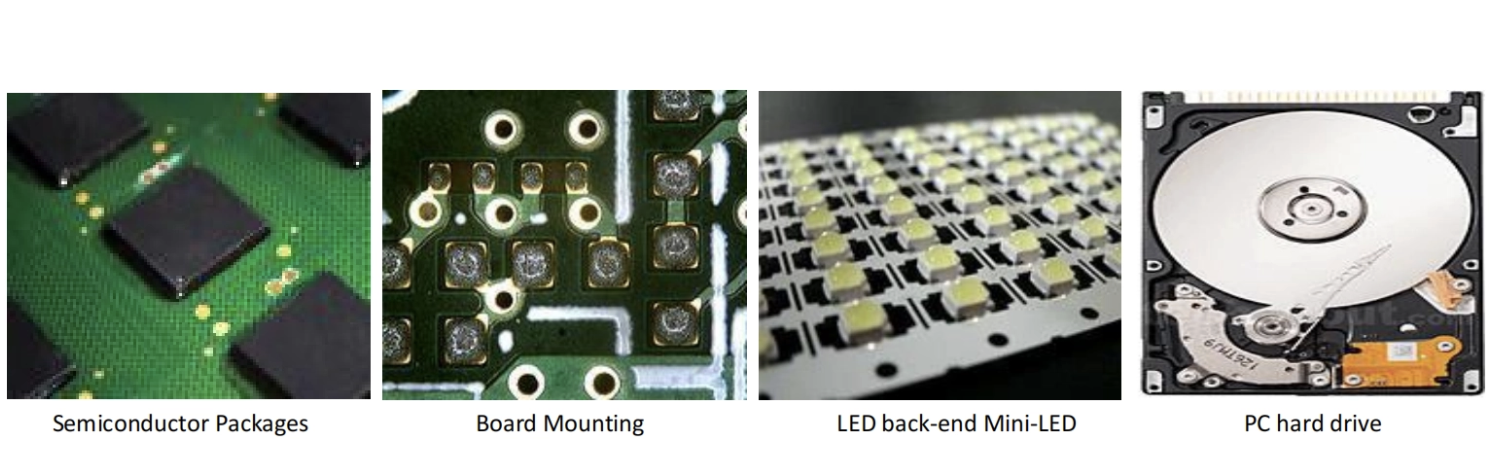
During design, IPC standards guide choices for layout, materials, and electrical performance.
Standards used: IPC-2221 and IPC-7351
Key focus areas:
Material selection to suit operating conditions
Conductor width, spacing, and via placement for signal integrity
Thermal management to prevent overheating
Land patterns for accurate component placement
Following these guidelines helps avoid manufacturing issues later and ensures boards perform reliably in real-world conditions.
In fabrication, IPC standards define how bare boards should be made and inspected.
Standards used: IPC-A-600 and IPC-6012
Processes guided by standards:
Surface finish inspection for smooth soldering
Hole and pad quality checks
Identifying defects like delamination, voids, or scratches
Solderability assessment to ensure strong joints
Adhering to these rules reduces wasted boards and ensures a solid base for assembly.
Assembly is where components are mounted and soldered. IPC standards ensure uniform quality and reliability.
Standards used: IPC-A-610
Key focus areas:
Proper soldering techniques to avoid cold joints
Accurate component placement
Cleanliness to prevent contamination or corrosion
Compliance improves first-pass yield and reduces rework costs. Teams clearly know acceptable vs. unacceptable defects.
Even the best boards sometimes need rework. IPC standards provide controlled procedures to maintain reliability.
Standards used: IPC-7711/7721
Typical applications:
Component replacement or repositioning
Pad repair after damage
Safe desoldering and soldering without harming the board
Using these procedures ensures repairs don’t introduce new defects and maintain product longevity.
A: IPC certification is not legally required, but it’s highly recommended. It ensures engineers, designers, and technicians correctly apply industry standards, improving PCB quality and reliability.
A: Yes. Applying IPC guidelines during prototyping reduces redesigns, prevents early defects, and ensures smoother transition to mass production.
A: IPC standards define clear acceptance criteria, helping inspectors identify defects consistently and minimize assembly errors across production runs.
A: IPC-compliant suppliers follow global quality benchmarks, reduce defects, ensure consistent assembly, and deliver products meeting international reliability standards.
By applying IPC class standards, you can transform your PCB production into a predictable, high-quality process. They help prevent costly mistakes, improve reliability, and ensure every device meets global expectations.
At Dongguan ICT Technology Co., Ltd., we embed these standards across design, assembly, and rework. Our team ensures your electronics perform consistently, whether for everyday gadgets or critical applications. Trust us to deliver IPC-compliant PCBs that keep your products reliable, efficient, and ready for any challenge.